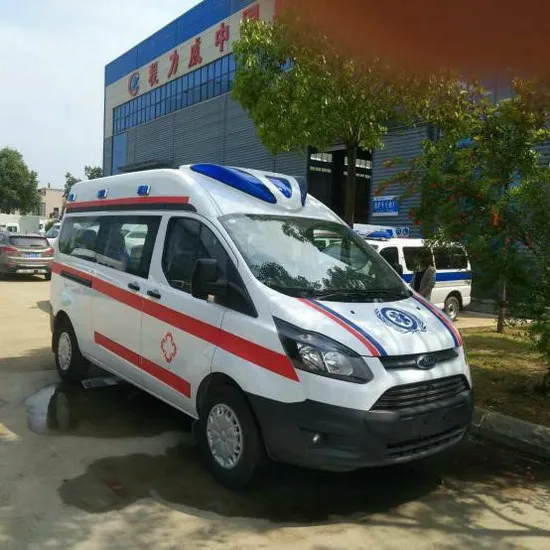
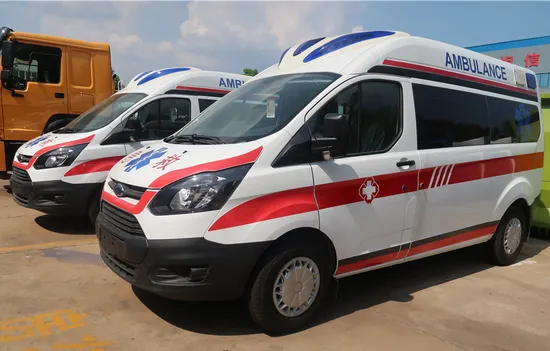
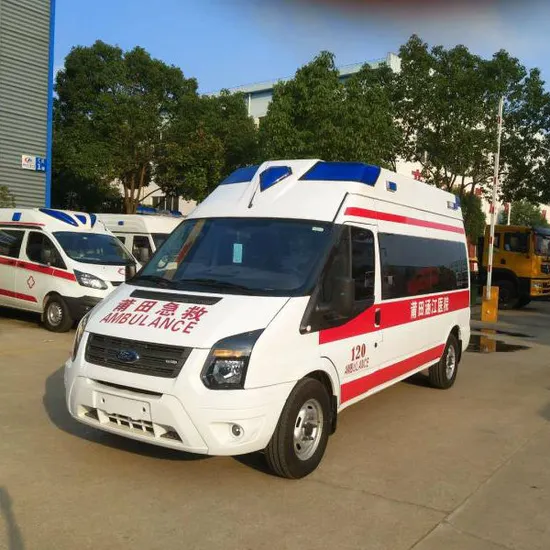
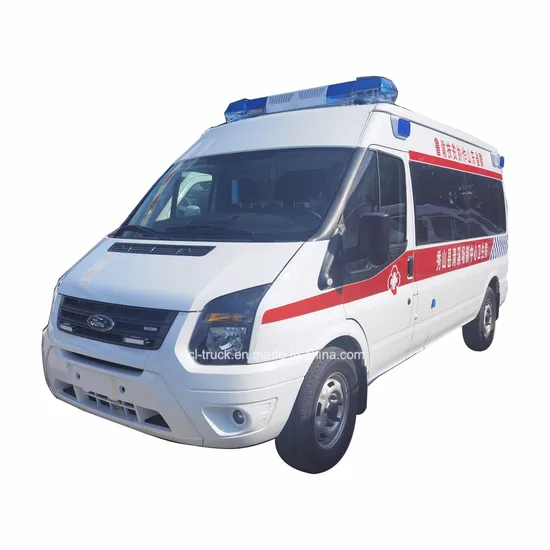
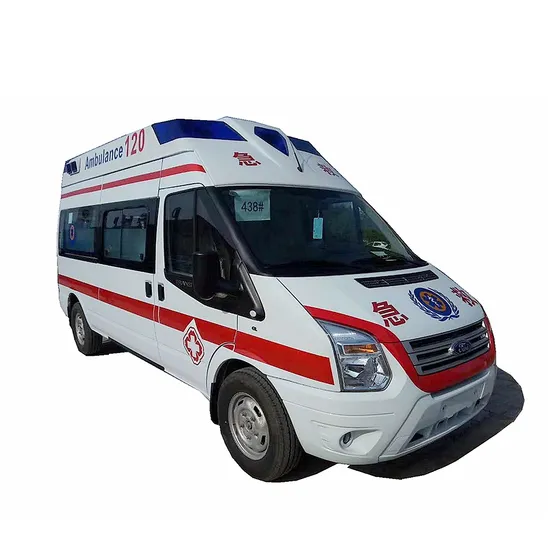
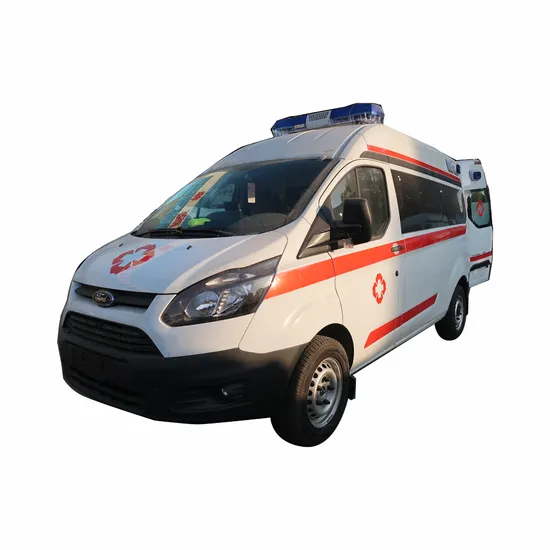
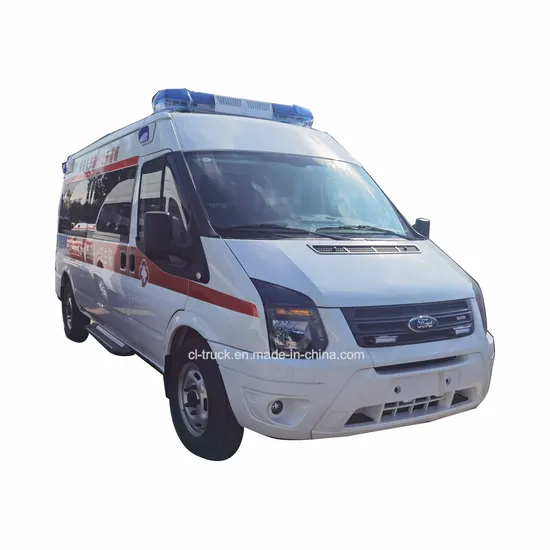
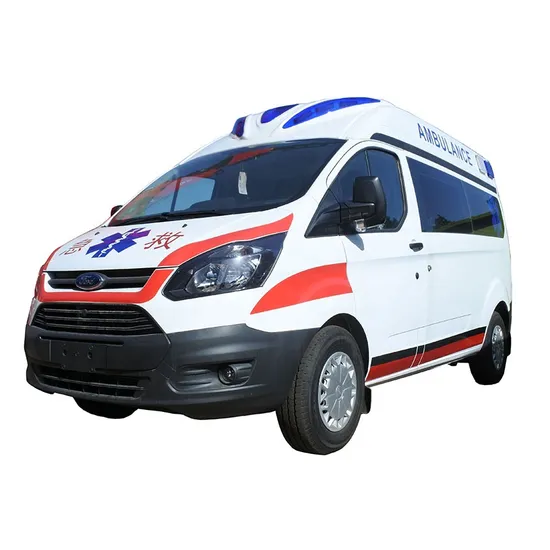
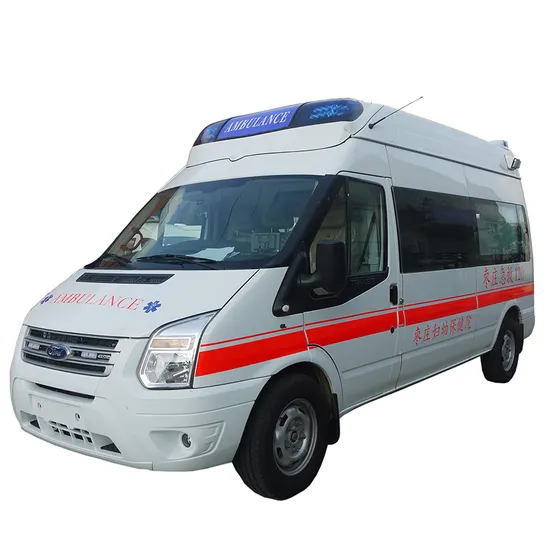
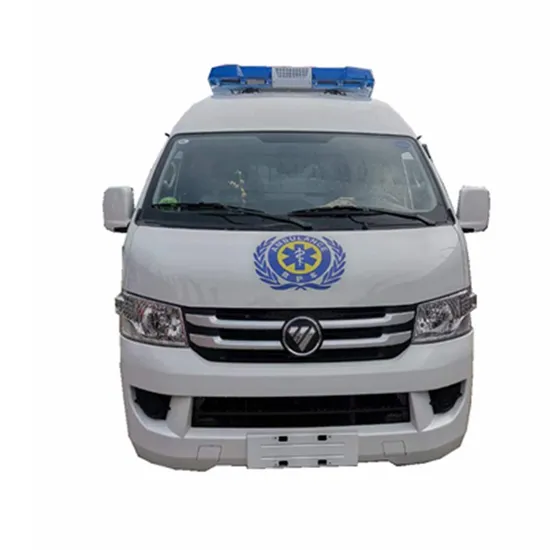
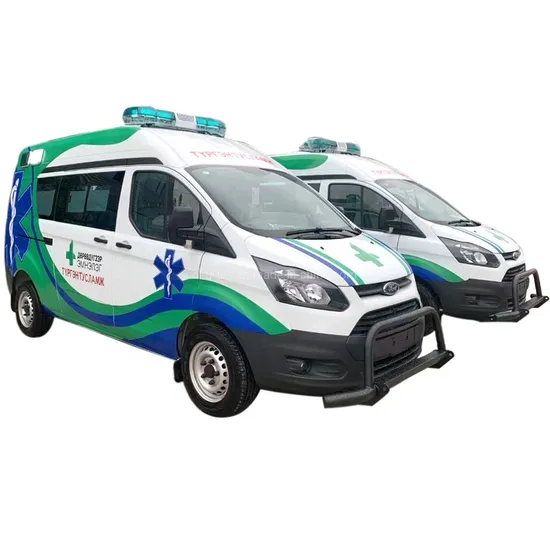
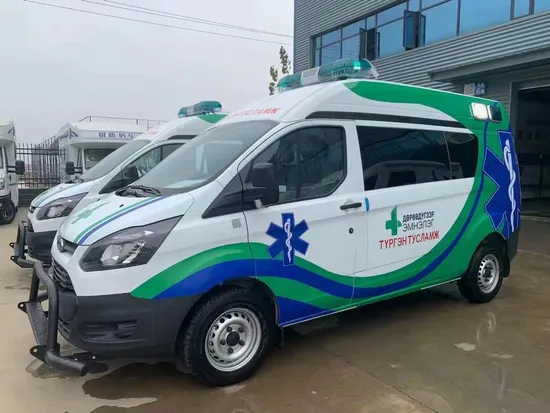
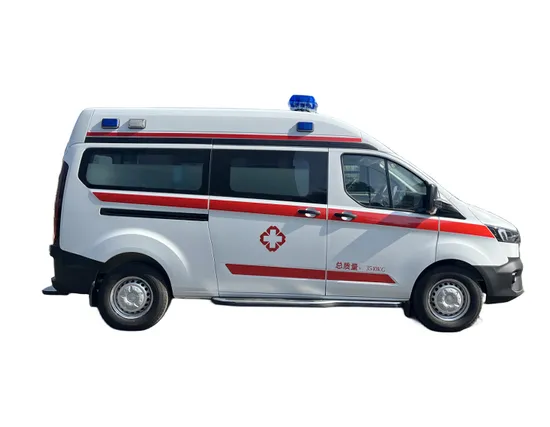
Ford Transit Ambulances: ICU, Monitor and Transport
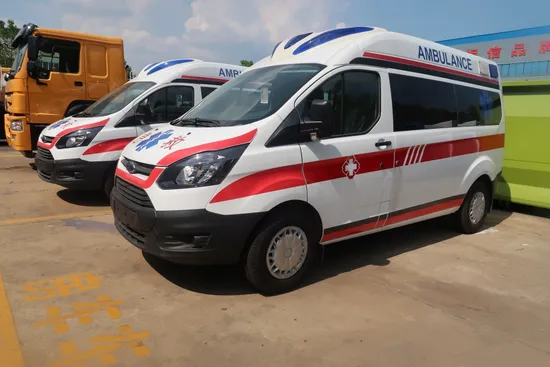
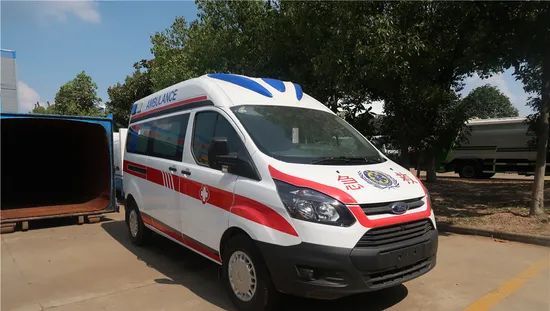
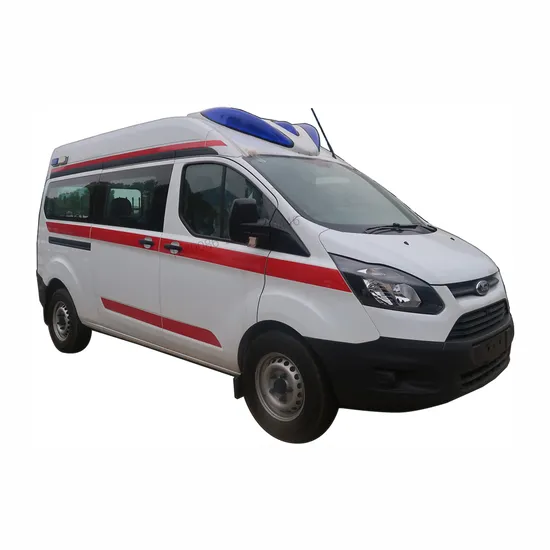
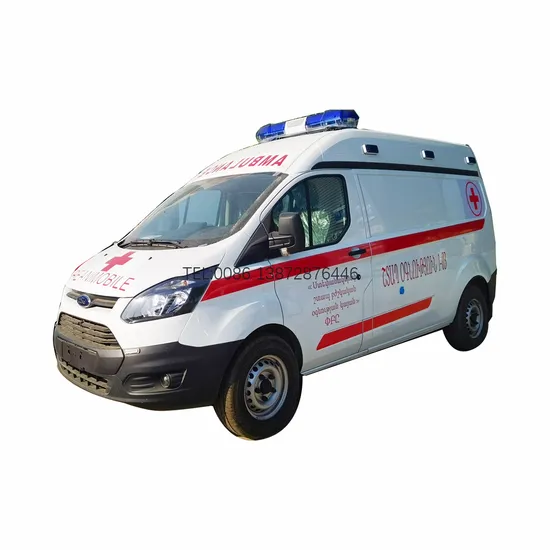
These ambulances are built on the Ford Transit van chassis for city emergency response, transfers between hospitals and routine patient transport. Chengliwei fits the medical cabin, lighting and interior to each Ford chassis, with layouts for ICU and monitoring work, basic patient transport, children's transport and negative pressure isolation.
Most models use a 3300 mm wheelbase, with longer 3750 mm and 3850 mm versions. Engines include the ECOBOOST4G20B5L petrol at 202HP and DURATORQ diesels at 122 HP and 135HP. Models also differ in roof height, cabin equipment, drive (4x2, with 4x4 on request for one model) and emission level, so check each product page.
19Models on this page
4x2Drive types
Euro 3, Euro 4, Euro 5, Euro 6Emission levels listed
No model on this page matches that filter. Clear the filter or search the full range. Search all trucks
How to choose a Ford Transit ambulance
Start with the cabin type
ICU and monitor: for patients who need treatment on the move. Some pages list a patient monitor, a defibrillator and electrocardiograph, or first-aid equipment.
Patient transport: a simpler layout for transfers; one model lists seating for 3 to 8 persons.
Negative pressure: for isolation transfers. The CLW5032XJHCDP lists a sealed medical cabin, filtered exhaust air, dual oxygen supply, a suction system and an automatic loading stretcher.
Choose engine and wheelbase
The 202HP ECOBOOST4G20B5L petrol engine appears on many 3300 mm models. The DURATORQ4D206H diesel gives 122 HP, and the DURATORQ4D225H gives 135HP on a 3750 mm wheelbase. A longer wheelbase gives more cabin length for equipment and seats, while the 3300 mm models are about 5.3 m long overall and easier to handle in city streets.
What to confirm before ordering
Equipment: the full medical equipment list for the exact model, item by item.
Emission level: listed models include Euro 3, 4, 5 and 6. Confirm which level your registration requires.
Steering: right-hand drive can be built on request.
Fuel: some pages offer diesel or gasoline versions of the same body.
Height: roof height and overall height for station garages.
Share your cabin layout, quantity and destination for a quotation.
Frequently asked questions
Are these ambulances built on a Ford chassis?
The ambulances on this page are listed on Ford or Transit chassis, and many specs name Ford engines such as the ECOBOOST4G20B5L petrol and the DURATORQ diesels. Chengliwei builds the medical body; it is not part of Ford. For any model, ask for the chassis model code on your quotation to confirm the base vehicle.
What is the difference between an ICU and a transport ambulance?
An ICU or monitor ambulance has space and fittings for treating a patient during the journey, and some models list a patient monitor, defibrillator or electrocardiograph. A transport ambulance has a simpler cabin for moving stable patients. The exact equipment differs by model, so compare the listed items on each product page and ask for a full list.
What does a negative pressure ambulance add?
It keeps the patient cabin at lower pressure than outside, so air flows inward and is filtered before it leaves. The CLW5032XJHCDP lists a sealed medical cabin, filtered exhaust air, dual oxygen supply, a suction system and an automatic loading stretcher. Other negative pressure models here give fewer details, so confirm their equipment before ordering.
Petrol or diesel: which engine should I choose?
The 202HP ECOBOOST4G20B5L is a petrol engine with more power for urban emergency response. The DURATORQ diesels, at 122 HP and 135HP, suit operators who refuel mainly with diesel. Check which fuel is easy to buy across your service area and which emission level your registration requires before you choose.