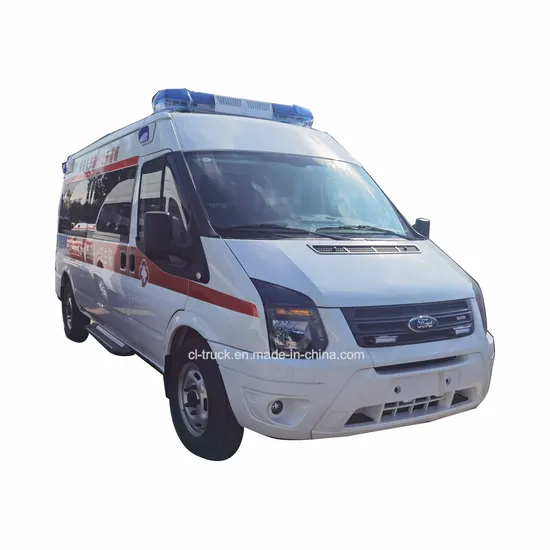
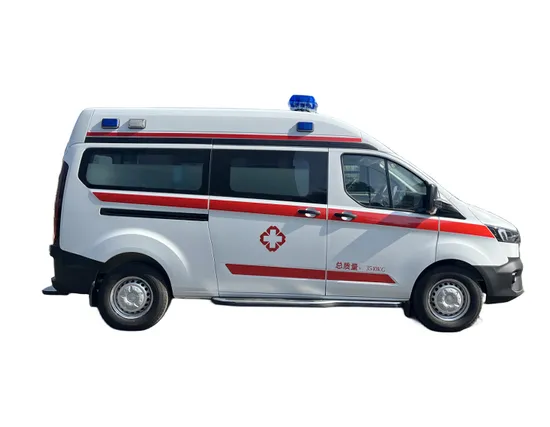
The Ford Chassis Ambulance Euro 5 202HP is a white patient-transport ambulance, model CLW5030XJHJ5, built on a Ford chassis. It uses a 1.997 L ECOBOOST4G20B5L engine rated at 149 kW (202 HP), a five-speed manual gearbox and left-hand drive, with right-hand drive available on request. The overall size is 5341×2032×2407 mm.
We offer it to hospitals, emergency medical services, clinics, industrial sites and community health organisations that need a compact ambulance for patient transfer and first response. It is fitted with medical equipment, and the shorter body is a practical choice for crowded streets and older neighbourhoods with narrow access.
Where this ambulance is used
A vehicle of this size is well suited to urgent response in towns, transfers between hospitals and routine patient pickups. Its wheelbase of 3300 mm and width of 2032 mm make it easier to manoeuvre than a large box-body ambulance. Crews can reach narrow lanes and parking areas quickly, which matters when time counts.
The same vehicle also works for events, factories, schools and remote clinics that need a ready medical vehicle on standby. A monitor is part of the medical equipment package. Because the interior layout can be arranged to suit the service, it is helpful to describe the typical patient load and the crew you plan to carry.
Chassis, engine and drivetrain
The gross vehicle mass is 3300 kg and the kerb weight is 2150 kg. The engine is an ECOBOOST4G20B5L and meets Euro 5 (China National 5). The gearbox is a five-speed manual with five forward gears and one reverse. Power steering lightens the wheel in city driving, and the tyres are 215/75R16LT, four fitted and one spare.
The cab has an air conditioner, which helps the crew and the patient in hot or cold weather. Ambulance drivers benefit from smooth gear changes and gentle braking, because patients are lying down in the rear. Fuel type is confirmed in the quotation, so please state the fuel available on your routes when you enquire.
Maintenance and daily checks
An ambulance must start every time, so a morning routine is essential. Check engine oil, coolant, tyre pressure, lights and brakes, and confirm that the spare tyre is secure. After each call, clean the patient area and the stretcher surfaces, and restock supplies. Record the checks so that faults are found before they delay a call.
Keep the battery in good condition, especially if the vehicle stands for long periods between calls. Test medical devices on schedule, following the instructions of their makers, and make sure the monitor is charged and working. Regular service of the engine and brakes keeps the vehicle dependable and reduces the risk of breakdown during an emergency run.
What to confirm before ordering
Please confirm the drive side, the emission standard, the fuel type, the interior layout and the list of medical equipment in the quotation. The exact engine power and weights should also be confirmed there. Tell us whether you need a stretcher, seats for attendants, oxygen supply points, lighting or communication equipment.
You should also discuss body colour, lettering, warning lights and siren with our team. If the vehicle will serve rough roads or very hot or cold areas, tell us so that the tyre and cooling choices can be reviewed. We will confirm each item in writing before production begins.
Request a current quotation for your selected configuration, quantity and delivery terms.