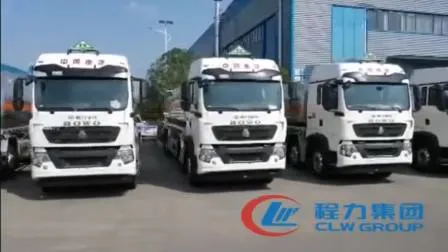
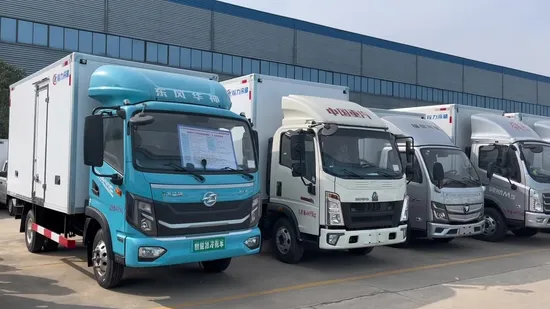
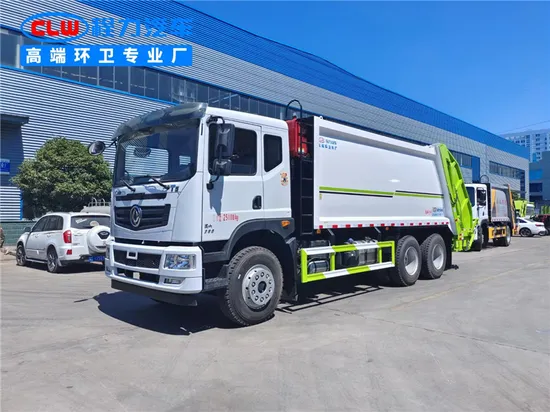
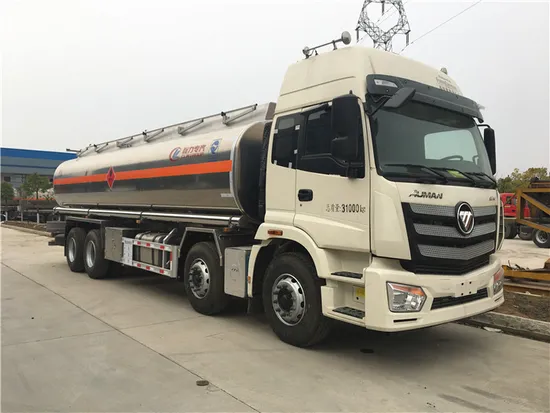
Buyers in Egypt ask us mainly for refrigerated trucks, garbage compactor trucks and fuel tankers. We build and export new special-purpose trucks in these body types and many more. This page explains why these three types are widely used in a hot country with crowded cities and a long road network, how buyers usually specify them, and what to decide on steering side before you order.
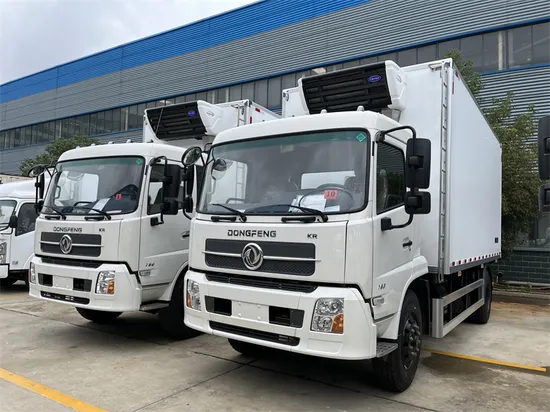
Why refrigerated trucks, garbage compactors and fuel tankers are used in Egypt
Refrigerated trucks. Most of the population lives along the Nile valley and delta, so food, dairy, meat, fish and medicine travel between farms, cold stores, markets and shops in hot weather. A reefer truck (also called a fridge truck or cold room truck) keeps the load at a set temperature from loading to delivery. Small 4x2 vans serve city shops and restaurants, and larger insulated boxes serve wholesale routes between cities.
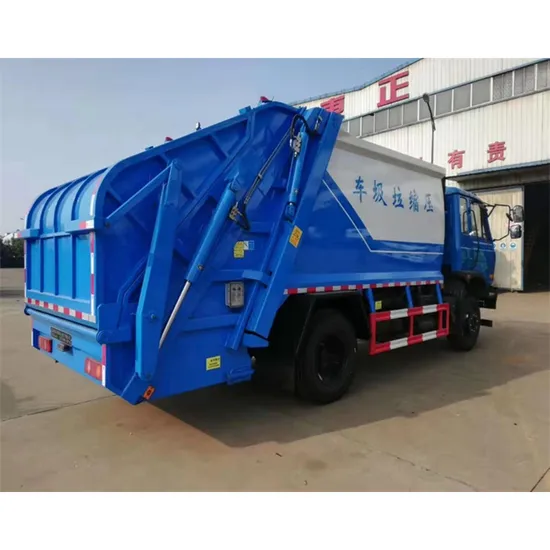
Garbage compactor trucks. Large cities produce a lot of waste every day, and many streets are narrow and busy. Compactor trucks, also called refuse trucks, rubbish trucks or bin trucks, press the waste inside the body so one trip carries more. Compact 4x2 models suit tight streets and short routes, while larger 6x4 models suit long runs to a transfer station or landfill.
Fuel tankers. Filling stations, factories, farms, building sites and generator sets all depend on fuel delivered by road. Rigid fuel tankers handle local delivery and site refuelling, and semi-trailer tankers suit bulk transport on main roads over longer distances.
Models to start with
For cold chain work, open the refrigerated truck category and read the refrigerated trucks for sale page. Two models are the Dongfeng KR 4x2 Refrigerated Van Truck with 6.1 m Insulated Box and the Sinotruk HOWO 4x2 Refrigerated Truck with 6.8 m Insulated Box. For narrow city routes, look at the Dongfeng 4x2 Refrigerated Truck with 4 m Reefer Box. The Dongfeng KR page lists a temperature range of -5 to -15 °C, FRP skins and 8 cm PU foam insulation, and optional equipment such as a tail lift and a temperature recorder.
For waste collection, see the garbage compactor truck category and the compactor garbage trucks for sale page. Examples include the Dongfeng 4x2 Compactor Garbage Truck with 10 m3 Body, which has a rear bin-tipping device, and the larger Dongfeng T5 6x4 Compactor Garbage Truck with 18 m3 Body.
For fuel, open the fuel tanker category and the fuel tanker trucks for sale page. Rigid models include the HOWO 4x2 10,000 L Fuel Tank Truck with two compartments and the JMC 4x2 Mobile Refueling Truck, 5000 L. For bulk haulage, see the Foton Auman 8x4 Aluminum Fuel Tank Truck, 30,000 L.
How buyers usually specify for Egypt
- Heat. Summer temperatures are high, so ask for a cooling system sized for hot weather. For a reefer, ask how the cooling unit is rated, how thick the insulation is and how the box is sealed. Our guide on refrigerated vehicle specifications shows what to compare, and the reefer truck guide covers sizes and cooling options.
- Dust and sand. Desert roads and building sites are dusty. Ask for a good air filter and sealed electrics, and read our air filter care guide.
- Narrow streets. For waste collection, match the body volume and the overall length to the streets on your routes. The compactor garbage truck guide explains how to choose, and keeping a refuse truck reliable in high heat lists daily checks.
- Bins. If you use wheeled bins or containers, confirm the bin lifter fits them before you buy; see refuse truck bin lifters.
- Fuel quality. Confirm the diesel you will use and the emission standard you need. Our guide on which Euro emission standard to order explains the choice.
- Tankers. For a fuel tanker, give the tank volume, number of compartments, and whether you need a pump, meter and hose reel. Read fuel tanker care for daily checks and fuel tanker imports for documentation questions.
Steering side for Egypt
Traffic in Egypt drives on the right, so left-hand drive is the usual fit and it is our standard. If your fleet or your project needs right-hand drive, we supply it on request for all our trucks. Please state your drive side in the enquiry and we confirm it in the quotation. See which steering side each country uses, and read left-hand drive vs right-hand drive trucks for the difference.
Shipping and import
Trucks reach Egypt by sea. Your clearing agent can advise which port suits your site and which documents the port will ask for. Import requirements change, so check the current requirements with your clearing agent and the national standards body, and ask us for the documents list for your order. For a reefer, our guide to importing a refrigerated truck lists the vehicle and cooling system papers to check.
What to ask before ordering for Egypt
Use this short checklist when you compare quotations for a truck going to Egypt.
- Heat. Ask what cooling, air filtration and electrical protection the truck has for hot weather.
- Body size. Check box length, body volume or tank volume against your routes, loading points and the axle loads allowed on the roads you will use.
- Fuel quality. Ask which diesel quality the engine needs and whether the emission standard suits the fuel you can buy locally.
- Steering side. Confirm left-hand or right-hand drive in writing.
- Documents from us. Ask for the list in advance: usually the commercial invoice, packing list, bill of lading and any certificates your clearing agent asks for.
- Parts and service. Ask for a spare parts list for the first season and the name of a workshop near your site.
What to send us before you order
- Body type and size (box length, body volume, tank volume or compartments)
- Drive side
- Emission standard you need
- Quantity
- Destination port
Do you supply left-hand drive trucks for Egypt?
Yes. Left-hand drive is our standard, and it matches right-hand traffic. Right-hand drive is available on request. We confirm the drive side in the quotation.
How do trucks reach Egypt?
Trucks are shipped to an Egyptian port. Your clearing agent can recommend the port and the clearing steps.
Planning shipments to other countries? See which steering side each country uses, or send us your requirements.