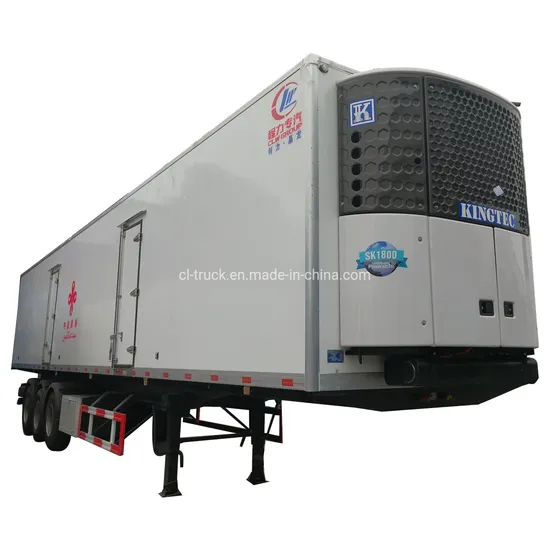
Refrigerated truck import documents are easier to prepare when the equipment being purchased is clearly defined. A rigid refrigerated truck is one complete vehicle. A refrigerated semitrailer has its own identity and may be ordered with or without a tractor. The cooling unit and insulated body also need to be described separately from the road vehicle.
Define the units included in the order
Start the information pack with a list of the physical units being supplied. State whether the purchase covers a complete truck, a semitrailer alone or a tractor-and-trailer combination. Give each unit its own model reference and, when assigned, its identification number.
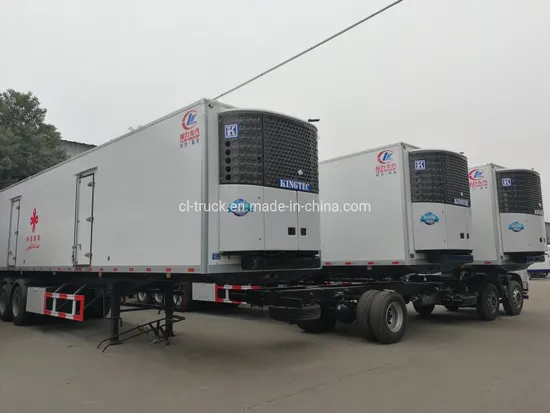
The Chengli tractor-and-refrigerated-trailer offering uses a combination description, while its detailed tables focus on the CLW9401XLC trailer. The order should explicitly identify any tractor included rather than assuming the trailer specification also describes the towing vehicle.
Separate transport dimensions from cargo-body information
Provide the agreed external dimensions and shipping weight for each supplied unit. Keep internal body dimensions in a different section, together with the selected door arrangement and insulation description. A freight enquiry needs transport measurements; an operating enquiry also needs the usable cargo-space description.
The tri-axle refrigerated semitrailer lists external dimensions of 13500 × 2600 × 3995 mm and separate van dimensions in its detailed information. Its alternative body entries should be resolved to the selected version in the supplier's final specification.
Identify the installed refrigeration unit
Record the cooling-unit manufacturer, model and serial number when available. Retain the supplied operating manual, service contact and configuration information with the vehicle file. If the quotation offers alternative refrigeration brands, the selected option should be named before the shipment information pack is finalised.
The trailer examples describe independent refrigeration-unit options. This makes the cooling-unit identity a separate document field rather than an implied part of the trailer model name. Equipment temperature descriptions should remain distinct from the requirements of the intended cargo.
Describe the intended cargo and operating pattern
Provide the cargo description, packaging, shipment temperature requirement and expected delivery pattern as operating inputs. These help the supplier discuss the selected body and cooling arrangement. They do not establish that the vehicle has already demonstrated a particular cargo result.
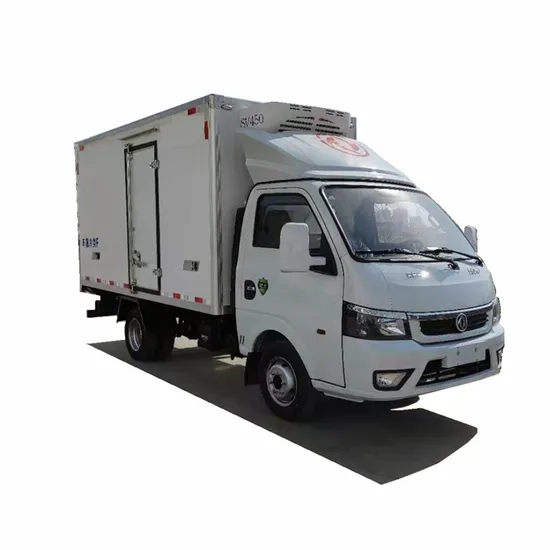
The Dongfeng mini refrigerated truck is a rigid-vehicle example with model CLW5040XLCE6 and refrigeration selection described according to temperature needs. Its information pack should connect the chassis, fitted body and selected cooling unit as one delivered truck.
Share a grouped information pack
| Group | Information for supplier and forwarder |
|---|---|
| Order scope | Truck, trailer or tractor-and-trailer unit list |
| Vehicle identity | Selected models and assigned identification numbers |
| Transport details | External dimensions, shipping weight and delivery destination |
| Insulated body | Selected dimensions, doors and construction description |
| Cooling system | Installed model, identifiers and supplied documentation |
| Intended use | Cargo, required conditions and delivery pattern |
This is a preparation framework for buyers and their logistics contacts. Keep destination-specific document instructions from the appointed import representative attached to the same file. The equipment information pack is not a universal statutory checklist for every market.