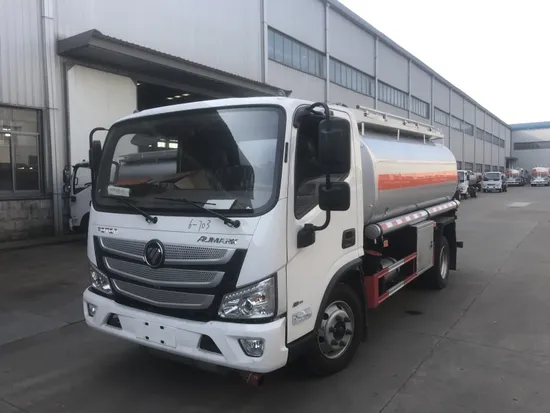
Questions about fuel tanker import requirements are easier to address when the buyer supplies a clearly divided information pack. The road vehicle, tank body and fuel-handling equipment describe different parts of the purchase. Your appointed import service provider needs the complete selected configuration to identify which destination-specific questions remain open.
Start with the vehicle identity and destination
Record the destination country, planned port, the company that receives the goods and intended delivery point. Add the selected chassis model, driving position and assigned vehicle identification when available. Keep the complete truck's dimensions and weight information with this vehicle section.
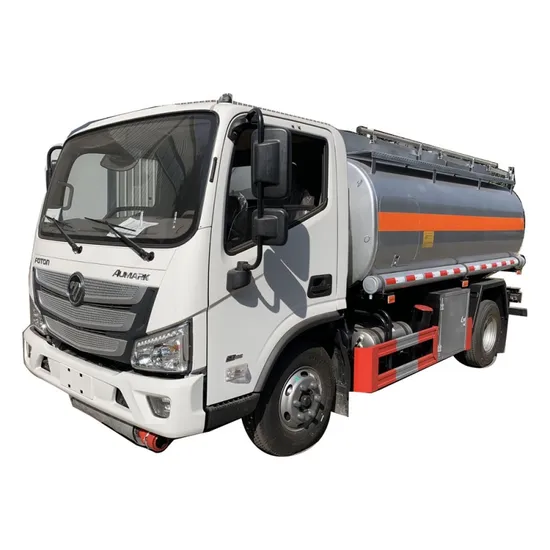
The Foton Aumark S-series fuel tanker lists AUMARK-S33 and S38 chassis options. Their wheelbases and gross-weight entries differ, so the import enquiry should identify the selected version rather than attach an unmarked table containing both.
Give the tank body its own configuration sheet
State the agreed tank volume, material and compartment arrangement. Where compartments are included, retain the individual schedule and labels supplied for the order. A broad capacity range is useful during initial selection, but the final documentation should describe one delivered arrangement.
The Foton listings present capacity ranges and a separate detailed tank block. Keep the chosen tank configuration explicit. The number of outlets, manholes or hoses should not be used to infer a compartment count that the selected schedule does not identify.
List pumping and metering equipment separately
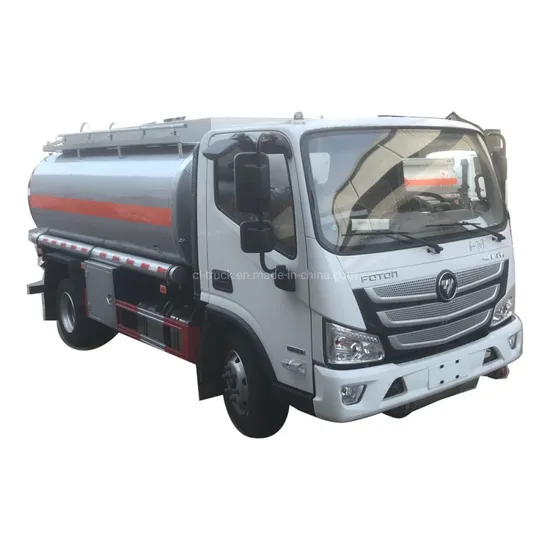
The Foton light fuel tanker vehicle describes a pump and pipeline, DN50 or DN65 connection choices, and power-take-off alternatives. Record the selected components in an equipment list linked to the tank body.
The Foton Aumark fuel truck also lists a dispenser with ticketing and a 15 m automatic-return reel with nozzle. If fitted to the ordered vehicle, these items need their own model references and supplied documents. Pump specifications and metering documents answer different questions and should remain separately indexed.
Describe the intended fuel and service role
Provide the expected product to be carried and whether the truck is intended for transport, dispensing or both. State the buyer's operating requirements without assuming that a general fuel-truck title confirms every intended application. Link the supplier's selected equipment description to that use statement.
Keep any requested supporting documents associated with the component they cover. A vehicle document should not be presented as evidence covering the tank or dispenser unless its stated scope actually does so.
Send a question-led pack to the import representative
| Information group | Question for the appointed service provider |
|---|---|
| Destination and vehicle | What vehicle information is needed for this destination and selected chassis? |
| Tank configuration | Which tank documents should be requested for this capacity and compartment arrangement? |
| Transfer equipment | What component descriptions are needed for the selected pump and connections? |
| Metering equipment | Which supplied dispenser records should accompany the enquiry? |
| Intended fuel and use | What more information is needed for the stated operating role? |
Keep the answers in the purchase file with the date and responsible contact. This prepares a focused discussion for buyers without treating product-page certification labels as a destination approval decision or assuming one document list applies to every country.