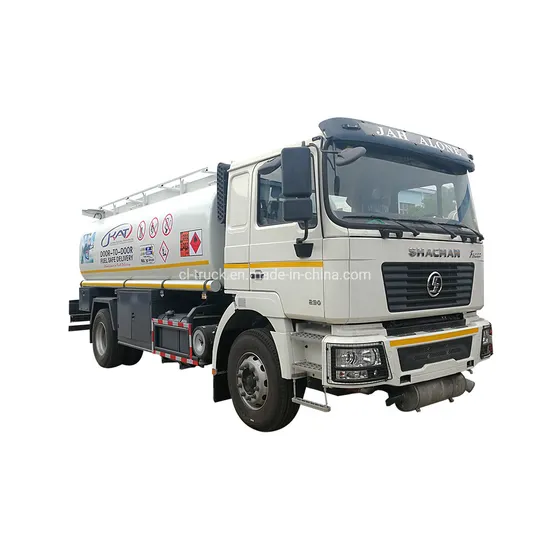
A fuel tanker is a chassis, a tank, a piping network and a power take-off working together. When any one of them is neglected, the result is a leak, a breakdown on the road or a safety risk, and each of these costs far more than the routine checks that prevent them.
This guide sets out a simple daily inspection routine and a logical way to work through the engine faults that fleets meet most often, so drivers and workshop staff can find the cause before replacing parts.
What makes up a fuel tanker
The special equipment on a tanker usually consists of the tank body, a power take-off, a drive shaft, a gear pump and the piping system. The piping includes the pump, selector and shut-off ball valves, strainers and pipework. Knowing how these parts connect helps the driver spot a problem early. Chassis service should follow the maker's manual and be carried out by a qualified workshop.
Daily inspection routine
Before departure, check:
- The tank, piping and valves for any seepage or leakage, and that the manhole covers are closed properly.
- Engine oil, fuel and coolant levels.
- Hand brake and foot brake, steering, instruments and lights.
- Tyre pressure and wheel nuts.
While driving, watch the gauges, check that steering and brakes respond normally, and listen and smell for unusual noises or odours from the engine, chassis and tank. At each stop, feel the brake drums for overheating, check the tyres and wheel nuts, clear stones from the tread, look for oil, water and air leaks, and inspect the leaf springs, the drive shaft bolts, the tank exterior and the piping. When parked at the end of the day, repeat the walk-around and clean the vehicle. Check the fire extinguishers regularly and replace them when needed.
Working through engine faults
Do not guess. Read any fault codes first, then work through the system in order.
Stalling when you release the throttle. The engine cannot hold a stable idle when it drops from load to idle. Possible causes include the accelerator pedal, crankshaft and camshaft sensor signals out of step, wrong fuel pressure, a faulty control unit signal or incorrect injection timing. Look at how the readings change as the engine goes from off-idle to idle.
Hard starting or no start. If the starter does not turn, check the battery charge, the terminals, the starter wiring, fuses and ignition switch. If the starter turns but does not engage the engine, the fault is in the starter engagement. If the engine cranks at normal speed but does not fire, check the fuel injection system and the intake side. On electronically controlled engines, do not press the pedal repeatedly while starting; it only raises engine speed and fuel use. If disconnecting the pedal harness lets the engine idle, the pedal is the fault. Check the intake pipework for leaks, fuel line connections, air in the fuel and fuel quality, and look for loose plugs and sensor faults. Confirm the injectors receive a control signal; if not, check the fuses, wiring and control unit, and if they do, check the spray pattern.
Weak power or poor acceleration. The engine runs normally without load but is slow on load or on hills and will not reach full speed. Typical causes are fuel pressure that is too high or too low, poor injector spray, wrong sensor signals, too little fuel injected, wrong timing, low compression or a blocked exhaust.
Extra care in hot, dusty conditions
Fuel quality can vary, and water or dirt in the fuel may cause hard starting and weak power, so keep fuel filters in good order and look at the fuel quality before blaming the engine. Dust can clog air filters and radiators. Heat can bake the brake drums and tyres on long hauls, so check them at every stop. Roads far from a workshop mean the driver should carry the basic spares and have a simple fault-finding checklist. Spare parts may take time to arrive, so plan stock ahead.
Related models
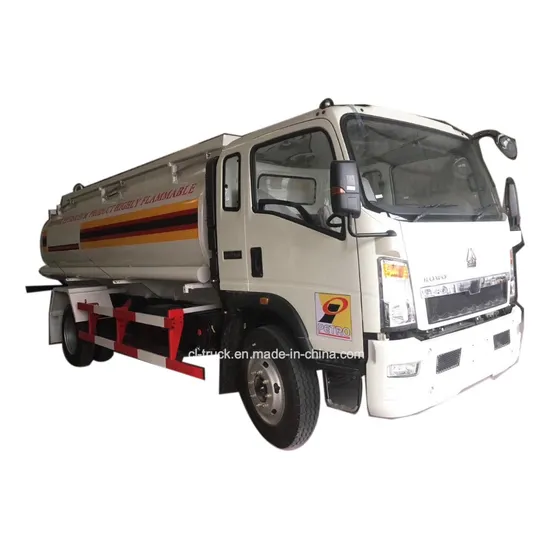
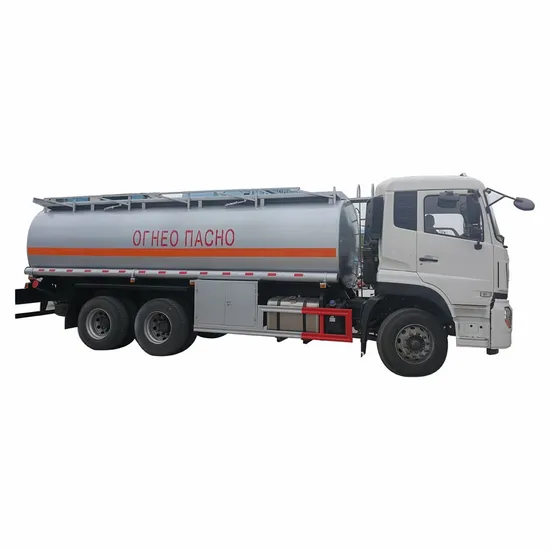
See the full range on our fuel tank trucks page. Examples include the HOWO Light 4x2 fuel tank truck, the Dongfeng 6x4 fuel tank truck and the Shacman heavy oil tank truck. You may also like our guides on how a fuel tanker unloads and on carrying petrol and diesel in one tanker.
To ask for a quotation, please contact us or message us on WhatsApp.