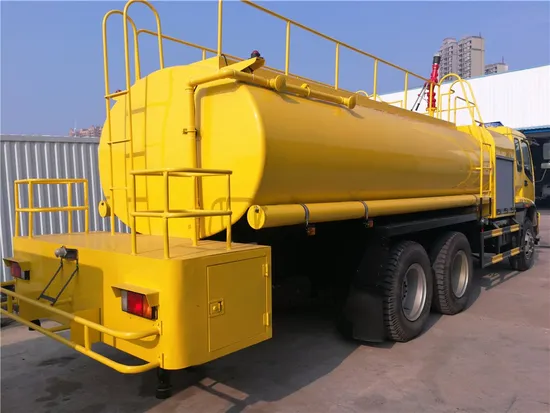
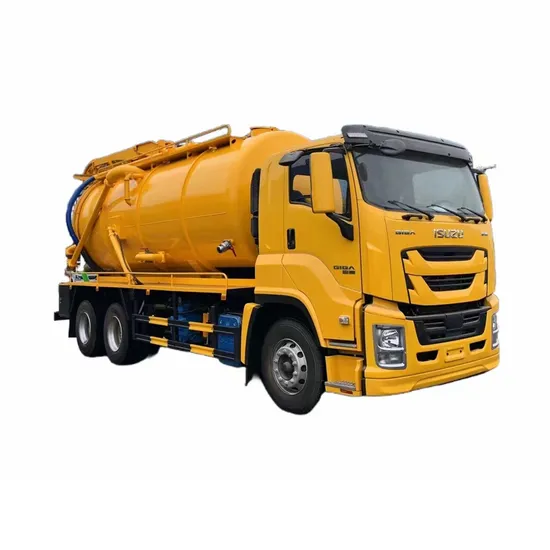
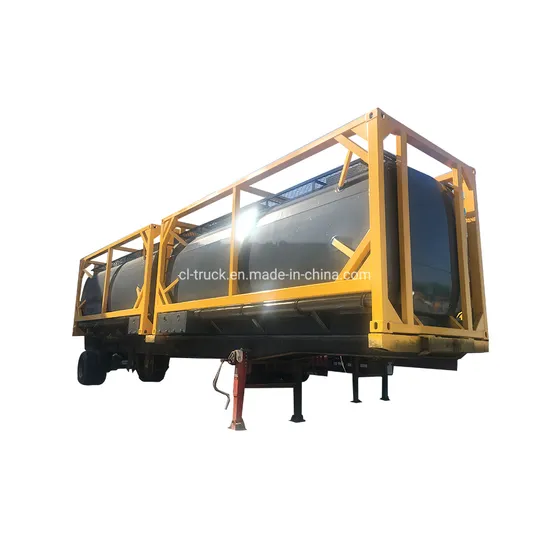
"Tanker lorry" is a broad term. It covers any truck or trailer that carries liquid in a tank, from a water bowser to a petrol tanker to a milk collection truck. The liquid decides almost everything: the tank material, the number of compartments, the pump and the safety fittings. Start with the liquid and the rest of the specification follows.
Choose by liquid
| Liquid | Usual name | Tank and fittings to expect |
|---|---|---|
| Water | Water bowser, water tanker | Carbon steel tank, often coated inside; drinking water needs a suitable lining or stainless steel; water pump and spray bar |
| Fuel | Fuel bowser, petrol or diesel tanker | Compartments, vapour and overfill safety, delivery pump, meter and hose reel |
| Milk | Milk tanker | Stainless steel, insulated, food-grade fittings and a smooth interior that can be cleaned |
| Sewage | Honey sucker, exhauster, vacuum tanker | Sealed tank with a vacuum pump, hose and rear discharge |
| Chemicals | Chemical tanker | Stainless steel or lined tank matched to the exact chemical |
Never reuse a tank for a different liquid unless the tank maker confirms it is suitable. A tank that carried fuel is not safe for drinking water or milk.
Water tankers
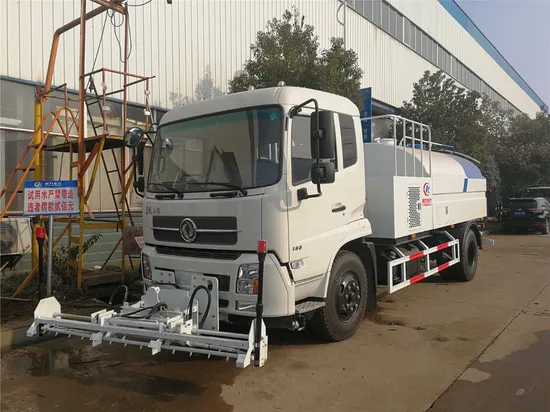
A water tanker supplies drinking water, wets roads to control dust and feeds construction sites. Typical sizes run from about 5,000 to 20,000 litres. Decide whether you need a plain delivery tank or a spraying truck with a front spray bar, rear sprinkler and a monitor. Examples are the Dongfeng 4x2 Cleaning Water Truck 8000L and the Isuzu FVZ 6x4 High Pressure Water Tank Truck 15m3. Browse the full water tanker truck range or read the water tanker truck price guide.
Fuel tankers
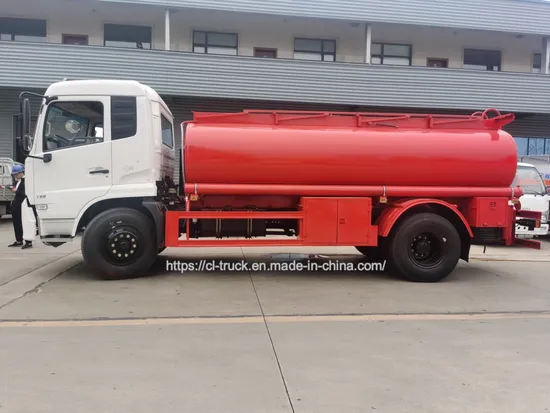
Fuel tankers are normally divided into compartments so that one truck can deliver petrol, diesel and kerosene without mixing them. Ask how many compartments you need, and the volume of each. A delivery truck also needs a pump, a flow meter and hose reels, while a pure transport tanker may unload by gravity or by a pump on the site. The Dongfeng 4x2 LHD Fuel Tank Truck 10-15m3 is an example of a rigid truck, and the fuel tanker truck range shows other sizes. Read what should be included in a fuel tanker quotation, and our comparison of a fuel tank trailer and a rigid tank truck.
Typical size ranges
| Tanker | Typical volume | Typical chassis |
|---|---|---|
| Water bowser | 5,000 to 20,000 litres | 4x2 for small and medium tanks, 6x4 for larger ones |
| Rigid fuel tanker | 10,000 to 15,000 litres on the Dongfeng 4x2 page | 4x2 rigid truck; larger volumes usually move to a semi-trailer |
| Milk tanker | Set by the collection route and the dairy | Rigid truck or trailer with insulated stainless steel tank |
| Vacuum tanker | Small, medium and large bands, see the honey sucker guide | 4x2 or 6x4 |
The Dongfeng water truck page shows an 8.5 m³ tank, high-pressure flushing at 10 MPa and an air brake system. The Dongfeng fuel truck page shows Q235 carbon steel, a DN500 manhole, a skid-resistant walkway on top of the tank and an oil pump, with compartments, bottom loading, a flow meter, vapour recovery and a fuel dispenser as options. Use items like these as a checklist when you compare quotations.
Milk tankers
Milk must stay clean and cool between collection and the dairy. A milk tanker uses a stainless steel tank with insulation, smooth welds, a manhole with a sealed lid and fittings that can be washed in place. Compartments allow you to keep milk from different farms apart. Our guide on buying a milk tanker explains when an insulated tank is enough, and the milk tanker trucks for sale page shows the available builds.
Vacuum tankers
A vacuum tanker empties septic tanks and sewers. The vacuum pump matters as much as the tank, so name the pump and the suction depth you need. See our honey sucker truck guide and the Isuzu 6x4 Cleaning Sewage Suction Truck 20000L 300HP.
Compartments, pumps and baffles
- Compartments: split the tank for several products or several customers. Each needs its own outlet.
- Baffles: plates inside the tank that limit surge when you brake. Without them a part-full tank can push the truck.
- Pump: driven by a power take-off or a separate engine. Match the flow rate to the time you want to spend unloading.
- Chassis: a 4x2 suits small and medium tanks, while larger tanks need a 6x4 or a semi-trailer behind a tractor head. A chemical tank trailer such as the 20ft 40ft Container Chemical Tank Semi-Trailer 25t shows the trailer option.
Common mistakes when ordering
- Naming the truck but not the liquid. "Tanker" alone does not tell us the tank material, lining or fittings.
- Using one tank for several liquids. Fuel, drinking water and milk need separate, suitable tanks.
- Leaving out compartments. If you deliver more than one product, say how many compartments and the volume of each.
- Forgetting unloading. State whether you need a pump, a meter, hose reels or gravity discharge.
- Not checking road and axle limits. A full tank is heavy, so confirm the legal weight on your route.
Safety and checks
- Earthing points for fuel and chemicals, and fire extinguishers in the right places.
- Overfill protection, emergency shut-off valves and pressure-relief valves.
- Hazard markings and a safe access ladder and walkway.
- Tank tests, weld quality and a clean interior before loading.
What to ask in the quotation
- The liquid, the tank volume, the tank material and the lining.
- Number of compartments and the volume of each.
- Pump type, flow rate, meter and hose reels, where needed.
- Safety fittings and the access walkway.
- Chassis, axle layout and steering side, and the destination port.
Names buyers use
Buyers say tanker, tanker lorry, bowser, water bowser, fuel bowser, petrol tanker, diesel tanker, milk tanker, vacuum tanker or honey sucker. Our team recognises each of these, so write the word you use and add the liquid and volume.
Ask your clearing agent and the national standards body what approvals your country asks for, particularly for fuel and chemicals. Tell us the liquid, volume, compartments, drive side and destination, and we will send a matching quotation. Use the inquiry form on this page or on any product page, or send us your requirements directly.