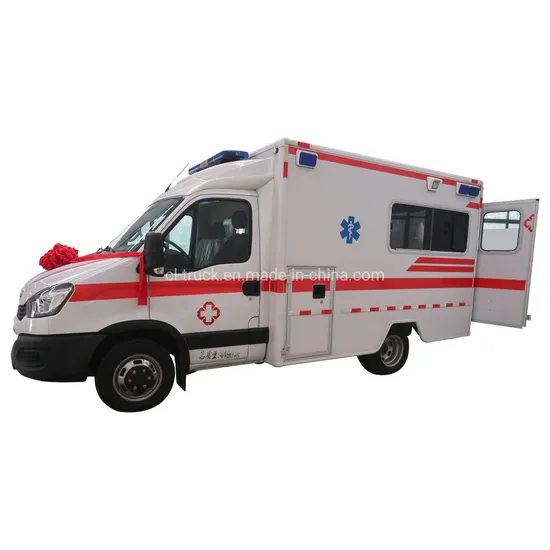
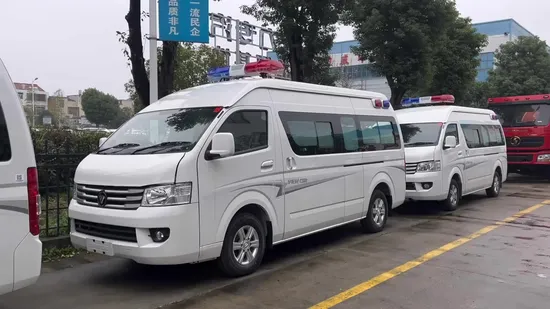
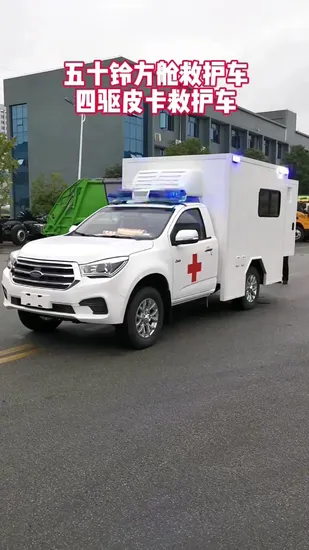
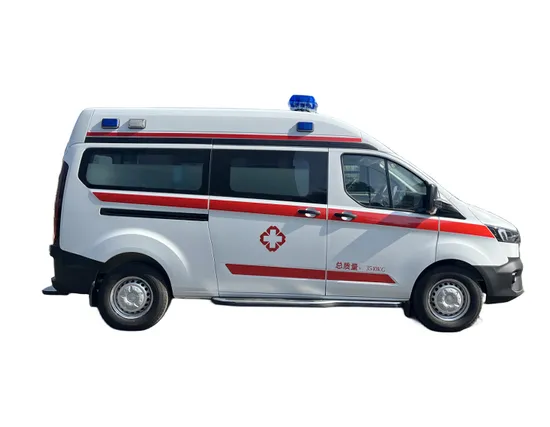
The Transit ICU Negative Pressure Ambulance is a left-hand-drive emergency vehicle finished in white, built for transporting patients who need intensive care and for cases where infection control matters. It has a diesel engine, a five-speed manual gearbox and an air-conditioned cab, and it meets the EURO 6 emission standard.
Hospitals, emergency medical services and infectious disease centres are the usual users. The vehicle is intended for transfers between facilities and for response to patients whose condition requires controlled air flow in the patient compartment. Right-hand drive is available on request for operators who need it.
How a negative pressure ambulance works
In general, a negative pressure ambulance keeps the air pressure in the patient compartment slightly lower than the air outside. Air then tends to flow into the compartment rather than out of it, which helps limit the spread of airborne pathogens to the driver and to the people the vehicle passes.
The details of the system, including how air is extracted and treated, depend on the configuration agreed with you. Our team confirms those details in the quotation, together with the interior equipment layout, so that your medical staff can review the arrangement before anything is built.
Chassis, engine and drivetrain
The engine is the F1CE8481K, a diesel unit with 2980 cc of displacement. The gearbox has five forward gears and one reverse, steering is power-assisted, and the cab includes air conditioning. Tyres are 195/75R16LT. Together these give a compact, easy-to-drive chassis for urban transfers.
Gross vehicle mass is 4490 kg and kerb weight is 3250 kg. The wheelbase is 3300 mm and the overall dimensions are 5980 × 2430 × 2760 mm. Check the 2760 mm height against hospital entrances, canopies and parking structures where the ambulance will need to stop or turn.
Cab and operator features
Driver comfort matters in an ambulance because shifts are long and calls are stressful. Power steering reduces effort in tight spaces, and air conditioning keeps the cab comfortable during long standby periods. Ask our team about extra cab items such as warning lights and radio mounting, which are agreed with the quotation.
Daily checks should include tyres, brakes, lights and fluid levels, and also the equipment fitted in the patient compartment. A written checklist for each shift, signed by the crew, helps keep the vehicle ready for the next call and gives the fleet manager a record of any problems.
What to confirm before ordering
Please confirm the drive side, the emission standard, and the interior layout you need, including the number of patient places and the position of any medical equipment. The size of the medical compartment and the engine power figure are confirmed in the quotation together with the final drawing.
Also tell us which medical equipment you will fit yourself and which you expect us to supply, whether you need special lighting or communication equipment, and whether your regulations require particular interior finishes. Settling these points early prevents costly changes after the chassis has been prepared.
Request a current quotation for your selected configuration, quantity and delivery terms.