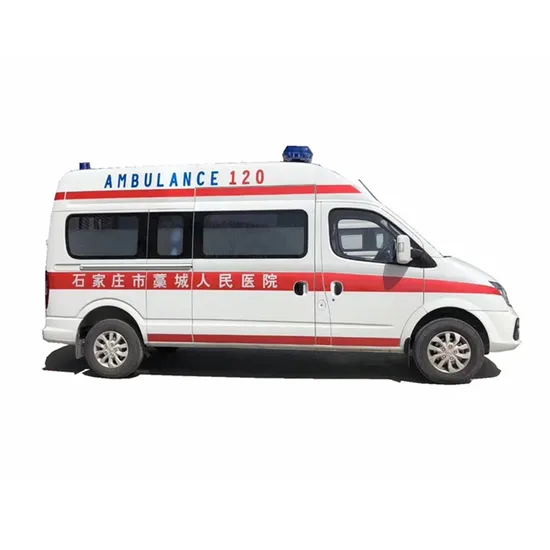
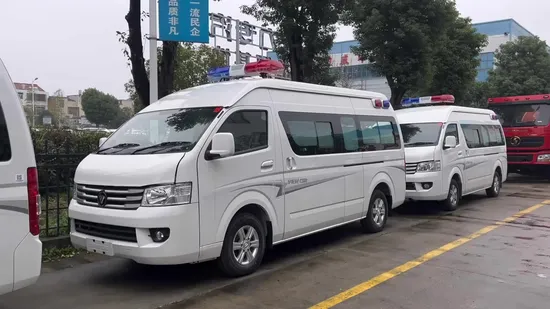
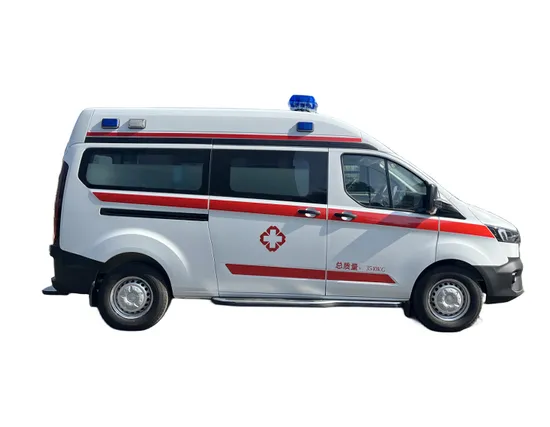
Model CLW5041XJHSH6 is our Saic Maxus V80 Negative Pressure Diesel Ambulance, built for transporting patients with infectious conditions. It combines a diesel engine of 2499 ml with a manual six-speed gearbox on a 3850 mm wheelbase, in a van body that keeps the vehicle easy to drive through city traffic and into hospital entrances.
It suits hospitals, emergency services, public health teams and private ambulance operators that must move patients whose condition could put other people at risk. The medical equipment and the negative pressure arrangement are specified together with you, and the full list is written into the quotation before anything is built.
How negative pressure transport works
In a negative pressure ambulance the air pressure inside the patient compartment is kept lower than the air outside. Air then moves into the compartment rather than out of it, which reduces the chance that contaminated air leaks towards the driver and the surroundings. The air leaving the compartment is normally treated before release.
This arrangement protects the crew but does not replace protective clothing and cleaning routines. Staff still wear their personal protective equipment, and after each transfer the compartment is cleaned and disinfected according to the rules of your hospital. We explain the system for your configuration when we send the quotation.
Engine, drivetrain and ride
The engine is an in-line four-cylinder diesel, water-cooled, intercooled and direct injected, meeting Euro V. It gives 100 kW at 3800 rpm and 330 Nm between 1800 and 2400 rpm. Power goes through a six-speed manual gearbox, and top speed is 150 km/h.
Suspension is McPherson independent at the front and leaf spring at the rear, with disc brakes on all wheels. The fuel tank holds 80 L. Kerb weight is 2800 kg and gross vehicle weight is 3800 kg. Seating in the vehicle ranges from three to nine places depending on how the cabin is set up.
Daily checks and cleaning
An isolation ambulance needs a routine that covers both the vehicle and the hygiene of the patient area. Before each shift, check tyres, brakes, fluids and lights, then confirm that the air handling in the patient compartment works as expected and that cleaning supplies and protective equipment are on board.
After each transfer, clean every surface in the patient area using the disinfectant approved by your hospital, and follow its procedure for waste and used linen. Keep a written log of cleaning and servicing so that the vehicle can be shown to be ready at any time. Our team can advise on layout choices that make cleaning easier.
What to confirm before ordering
Please confirm the drive side, left-hand or right-hand, the number of seats you need, and the medical equipment and negative pressure features that must be installed. We also need to know the emission standard your registration requires, so that the engine and exhaust specification in the quotation matches.
The overall dimensions and final fit-out depend on the configuration and are confirmed in the quotation. Customisation is available, including colour and markings. Tell us about the type of patients, the usual transfer distance and the hospital entrances the vehicle must use, and our team will prepare a specification that fits.
Request a current quotation for your selected configuration, quantity and delivery terms.