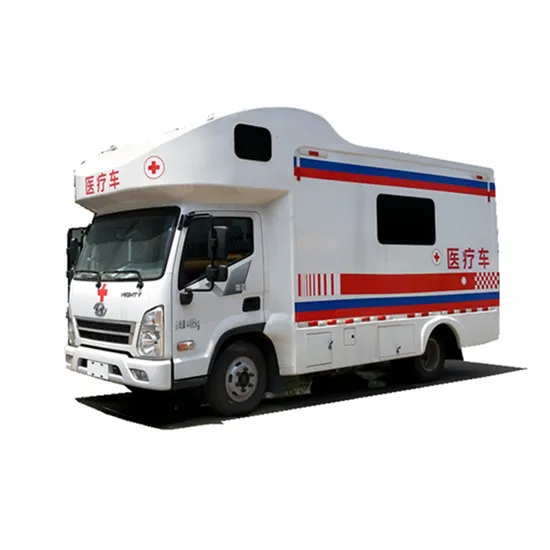
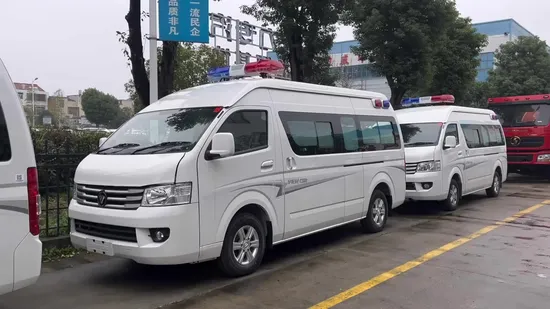
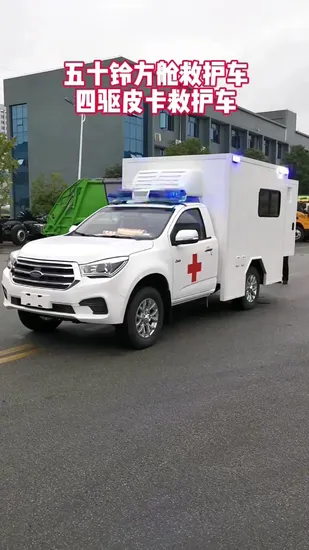
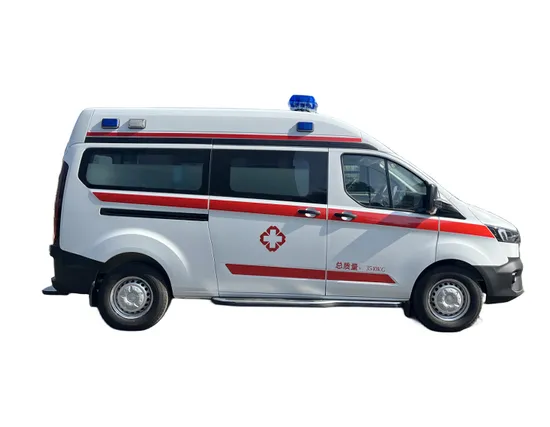
The Mobile Medical Emergency Ambulance Van for Hospitals is a diesel van ambulance with a manual gearbox and a separate patient compartment behind the cab. It is sold under the CLW brand and is intended for hospitals that need a dependable vehicle for emergency calls, patient transfers and routine movements between departments and sites.
The vehicle outline is 5145 x 1720 x 1960 mm, which keeps the van narrow and low enough for hospital gateways, car parks and older streets. The engine power sits in a 100-160 HP range depending on the configuration, and the final rating for your vehicle is stated in the quotation.
Where this truck is used
Hospital fleets use a van of this size for emergency response, transfers between wards and sites, and stand-by cover at public events. Clinics and rescue stations also choose it because a compact body is easier to park, easier to turn in tight yards and cheaper to run than a large box-bodied ambulance.
The vehicle works best on routes where speed of access matters more than carrying many patients. If your service regularly moves several patients at once, discuss the compartment layout with us first, so that seating and stretcher positions are planned together rather than added later.
Engine and drivetrain
Power comes from a diesel engine paired with a manual gearbox, mounted on a single-axle chassis. Diesel torque helps a loaded van pull away smoothly from a standstill, which matters when the patient compartment carries equipment and attendants. Drivers who know manual gearboxes will find the controls familiar.
Ambulance duty means many cold starts, idling at scenes and short fast runs. Keep up regular oil and filter changes, watch the coolant level and let the engine settle before long idling. A maintenance plan built around hours as well as distance suits this kind of work better than mileage alone.
Patient compartment and medical fit-out
The rear patient compartment is where the stretcher, attendant seat and equipment are arranged. How the space is divided is decided with you: stretcher side, seat position, storage for dressings and drugs, and the places where oxygen and monitoring equipment are fixed so that nothing moves when the van brakes.
We build the medical fit-out to your list, and what is supplied inside the compartment is written out in the quotation. Think about the patient first: easy loading, a clear view of the patient from the attendant seat and enough light to work by. Keep walkways free of cables and loose items.
What to confirm before ordering
Confirm the drive side, the emission standard needed by your authority and the engine power you want within the available range. Check the vehicle size against your garage and ramps, and decide the colour and markings. Customisation is available, so tell us early if your hospital has a standard livery.
Ask exactly which medical equipment is included and which items you will fit yourself, how many seats the cab and compartment provide, and which optional equipment you want. We record these points in the quotation, so that the vehicle you receive matches the one you approved on paper.
Request a current quotation for your selected configuration, quantity and delivery terms.