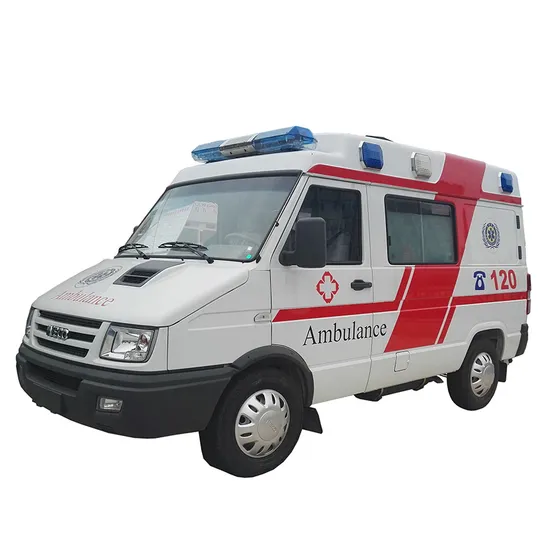
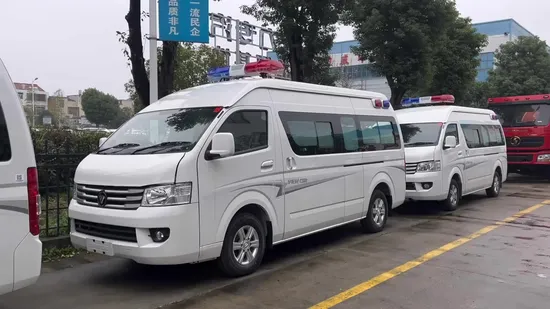
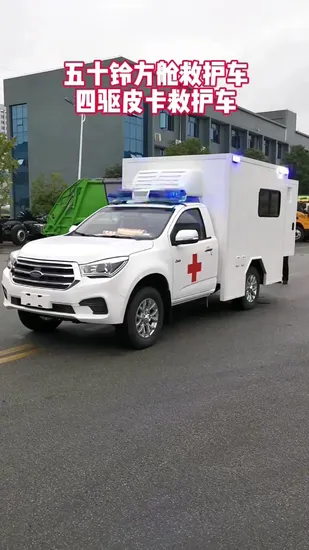
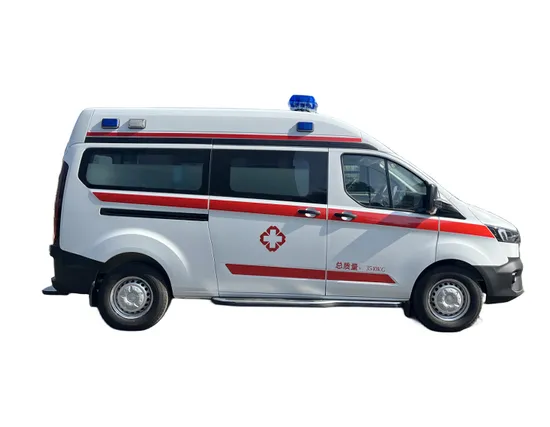
The ICU Patient Transport Ambulance SOFIM Diesel Engine is an intensive care ambulance for moving patients who need continuous monitoring and treatment on the way. It is powered by a SOFIM diesel engine, and the full chassis and interior specification is agreed with our team and set out in the quotation.
It suits hospitals, emergency medical services and private transport providers that carry critically ill patients between facilities. A diesel engine is a common choice for vehicles that cover long daily distances, because it delivers steady pulling power at low engine speed and is familiar to most workshops.
Where this ambulance is used
An ICU ambulance is used for transfers that cannot be handled by an ordinary patient transport vehicle: a patient on a ventilator, a patient needing infusion pumps, or one whose heart and breathing must be watched throughout the journey. The medical crew works in the patient compartment during the entire trip.
Hospitals use such vehicles for planned transfers to specialist centres, while emergency services use them to bring critical patients in. Because the vehicle works as a mobile treatment room, the interior layout is decided according to the work your team performs on the road.
Diesel engine and chassis
The SOFIM diesel engine is the power source of this ambulance. Diesel engines are chosen for ambulance work where the vehicle spends long hours on the road and needs good torque for a loaded body. The rated power, displacement, emission standard and gearbox are confirmed in the quotation for your configuration.
The chassis should be matched to the equipment weight of the interior, the number of crew and the roads the vehicle will travel. A ride that is stable and quiet helps the medical staff, so we discuss suspension, tyres and wheelbase with you when we prepare the quotation.
Interior and equipment planning
The interior of an intensive care ambulance is usually planned around a stretcher, seating for medical staff, storage for supplies and fixed positions for monitors and life-support devices. Good planning keeps the walkway clear and puts the most used items within reach of the person seated beside the patient.
We suggest sending us a list of the equipment your crews use, including the size and weight of each device. With it, our team can plan mounting positions, power supply and storage, and describe the arrangement in writing before anything is built.
What to confirm before ordering
Please confirm with the quotation: the drive side, the engine output, the emission standard, the gearbox type, the number of seats, the stretcher type, and the complete list of medical, lighting and warning equipment. Capacities and weights depend on the configuration.
Also tell us the typical journey length, how many staff ride in the patient compartment, and any rules from your health authority that the vehicle must follow. This allows us to prepare a clear specification that your team can check item by item.
Request a current quotation for your selected configuration, quantity and delivery terms.