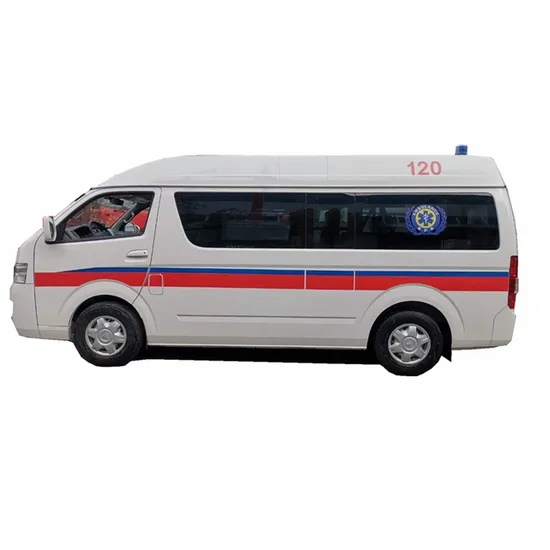
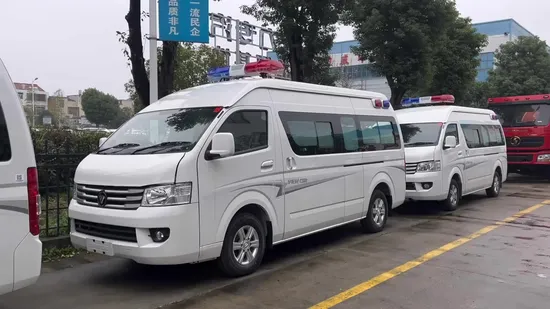
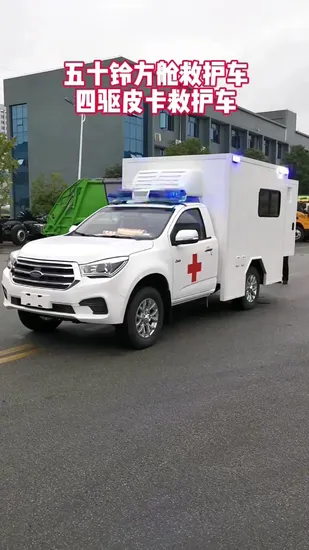
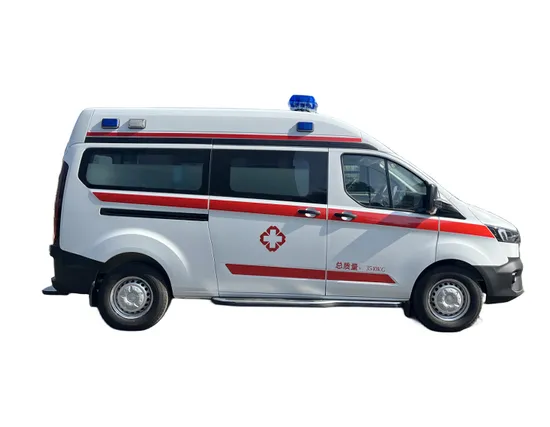
The Gasoline ICU Negative Pressure Ambulance Euro 4/5 is a patient transport ambulance, model CLW5030XJH, with a 1998 ml gasoline engine and a five-speed manual gearbox. It is designed to carry patients who need intensive care, and cases where negative pressure is required inside the patient compartment.
We offer it to hospitals, emergency centres, disease control teams and medical transfer services. The compact body keeps the vehicle easy to drive in city traffic while leaving space for the patient compartment and a medical crew, and the top speed of 156 km/h allows quick response on open roads.
Where this vehicle is used
An ICU ambulance moves seriously ill patients between hospitals, from home to hospital, or between care sites. A negative pressure vehicle is intended for patients with infectious conditions, because the air pressure inside the compartment is kept lower than outside to limit the spread of airborne particles.
The medical fit-out, such as monitors, ventilation and storage, is confirmed in the quotation to match your protocols. Our team can discuss which equipment you need and how it should be arranged, so the crew can work safely around the patient during transport.
Chassis and engine
The engine uses multipoint injection and delivers a maximum power of 95 kW and a maximum torque of 186 N·m. The gearbox is a manual with 5 forward gears and 1 reverse gear. The fuel tank holds 65 L, and the emission standard is Euro IV/V.
The wheelbase is 2570 mm, and the vehicle dimensions are 4840×1695×2435 mm. Curb weight is 1855 kg and gross vehicle weight is 3020 kg. Seating is for 2 to 6 persons, depending on the layout chosen for the driver, the crew and any accompanying staff.
Suspension and braking
The front suspension is McPherson independent, and the rear is a non-independent leaf spring system. This combination gives a steadier ride for the patient than a rigid arrangement at both ends. The braking system is a hydraulic double circuit disc brake.
Smooth driving matters in an ambulance, since sharp braking or fast cornering can disturb a patient and the equipment. Drivers should check tyre pressure, brake response and fuel level at the start of every shift, so the vehicle is ready for any call.
What to confirm before ordering
Please confirm the drive side, the emission standard for your registration, the seat count and the medical equipment list. These details depend on the configuration and are confirmed in the quotation, together with the negative pressure arrangement and any air handling equipment.
Also tell our team about your stretcher type, power supply needs for medical devices, lighting, communication devices and warning lights or sirens. With that information we can prepare a quotation that matches the way your service operates and the protocols you follow.
Request a current quotation for your selected configuration, quantity and delivery terms.