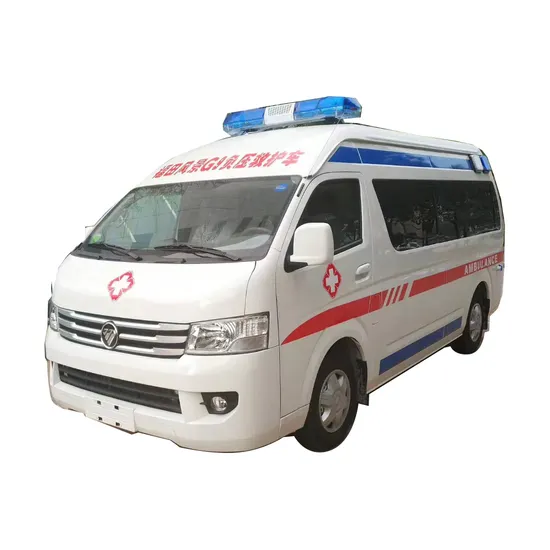
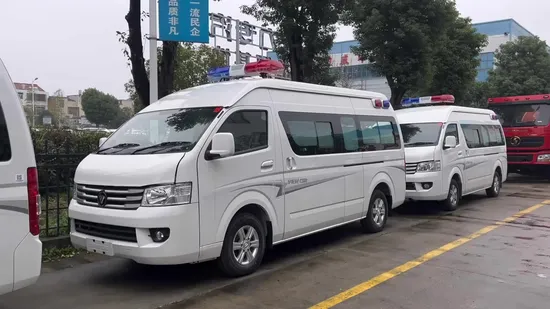
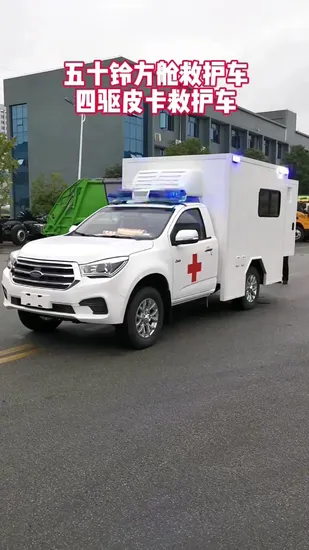
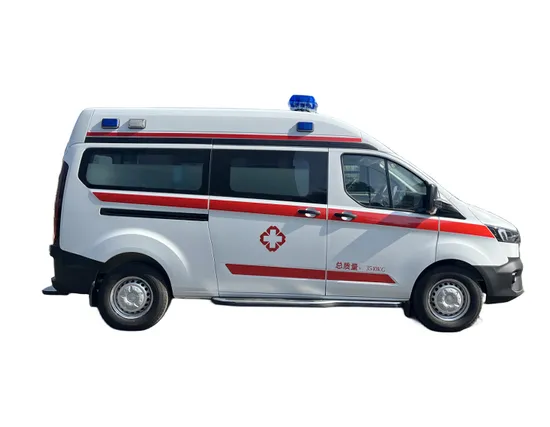
The Foton ICU Mobile Negative Pressure Ambulance Euro 5 is a diesel ambulance with a manual gearbox, medical equipment and a wide-body, high-ceiling cabin. It is intended for transporting patients who need intensive care and whose condition calls for airborne containment during the journey.
It suits hospitals, infectious-disease centres and emergency services that must move patients without exposing the crew and the people outside the vehicle. It has a 2780 mL engine rated at 96 kW, a wheelbase of 3110 mm and a gross vehicle weight of 3400 kg.
How negative pressure works
A negative pressure ambulance keeps the air pressure in the patient compartment slightly below that outside. Air then flows into the compartment through gaps instead of out of it, and the extracted air is normally passed through a filter before it is released. This reduces the chance that contaminated air reaches the driver and bystanders.
The effect depends on the fan, the filter, the seal of the body and how doors are used. The exact negative pressure equipment, its capacity and the compartment layout are confirmed in the quotation. Ask how the system is switched on, how filters are changed and what routine tests are recommended before each use.
Chassis, engine and brakes
The engine has a displacement of 2780 mL and a rated power of 96 kW, with a maximum torque figure of 280. The fuel is diesel and the transmission is manual. The parking brake is a wheel-side brake. The wheelbase is 3110 mm and the gross vehicle weight 3400 kg, which suits a compact ambulance body.
The cabin is wide with a high ceiling, giving the crew more headroom when they work in the patient area. The final seating in the cab is confirmed in the quotation, so say how many staff normally travel with the patient.
Operating and cleaning routines
Containment vehicles need clear procedures. Crews should check the seals, the extraction fan and the filter condition at the start of a shift, and keep the compartment doors closed during transport. After each patient, the interior should be cleaned and disinfected following your own infection-control rules, and used filters handled as your hospital requires.
Practise loading and unloading before the vehicle is needed in earnest. Protective clothing, stretcher handling and communication between the driver and the attendant are as important as the vehicle itself, and a drill shows quickly whether the equipment layout suits the way your team moves.
What to confirm before ordering
Please confirm in the quotation the emission standard, the steering side (left-hand drive is standard and right-hand drive is available on request), and the seating in the cab. Also confirm the engine output and the full list of installed medical and negative pressure equipment.
Tell the quotation team which patients you carry, which infection-control rules apply and how long the typical trip is. Ask what power the equipment needs, what monitoring fittings are included, and which parts are optional, so the finished ambulance matches both your clinical procedures and your daily routine.
Request a current quotation for your selected configuration, quantity and delivery terms.