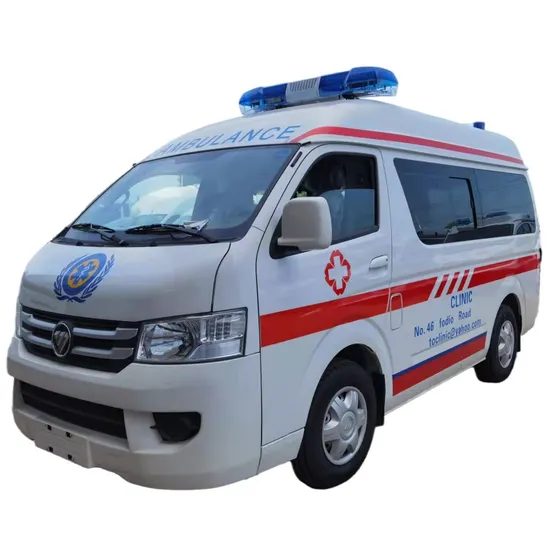
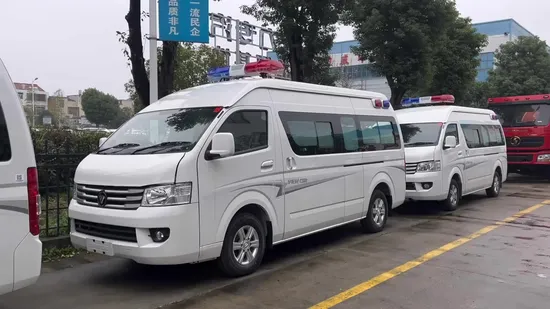
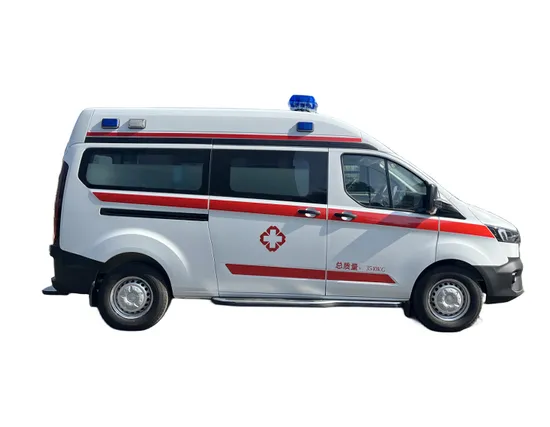
The Foton G7 G9 Gasoline Diesel Ambulance Truck Euro 6 has the model number FOTON G7 with a 4X2 drive layout and a Foton G7 chassis. It is supplied with medical equipment, a five-speed manual gearbox and an engine coded 4K22D4M, and the colour is optional.
Both gasoline and diesel versions are covered, and this page is meant for buyers who want to compare them. It suits ambulance operators who want a two-wheel-drive van platform for town use and highway transfers, where road surfaces are paved and consistent.
Chassis, engine and drivetrain
The drive is 4X2, meaning two driven wheels out of four. This keeps the mechanical layout simple and easy to maintain, and it is the usual choice for an ambulance that stays on made roads. The gearbox has five forward speeds and one reverse. The tyres are 195R15C, with four fitted. That is a size normally seen on light commercial vans, so replacements are straightforward to find.
The engine code is 4K22D4M, while the displacement, rated power, fuel and emission standard depend on the configuration and are confirmed in the quotation. Fuel type in particular should be settled early, because it affects the engine, the fuel system, the availability of fuel on your routes and the servicing plan.
Choosing between gasoline and diesel
The decision usually comes down to fuel availability and duty cycle. A diesel engine delivers more torque at low revolutions, which suits a heavy fit-out and frequent stop-start traffic, and it generally uses less fuel per kilometre. A gasoline engine tends to run more quietly and smoothly, which some crews prefer for patient comfort, and it can be easier to service where diesel specialists are scarce.
Think about where the fuel will be bought and how long the vehicle will sit idling with equipment running. Make this choice together with your workshop and your drivers, not only on paper.
Dimensions and body
The overall dimensions and the wheelbase depend on the configuration and are confirmed in the quotation. As a general rule, a longer body provides more room in the patient compartment; a shorter one is easier to handle in confined places. The medical compartment size is confirmed in the quotation.
The gross vehicle mass and the kerb weight also depend on the configuration and are confirmed in the quotation. This matters because the weight of the stretcher, oxygen cylinders, cabinets and monitors reduces the margin left for people on board.
Cab and equipment
The cab has air conditioning and power steering, and the body is wide with a high ceiling. Medical equipment is included, and the itemised list is confirmed in the quotation. A transport ambulance commonly carries a stretcher with floor locks, an oxygen supply with a regulator, interior lighting, storage cabinets and an attendant seat, with warning lights and a siren on the outside. Ask for the actual list for this version, and check that the layout lets the attendant reach the patient and the oxygen controls from a seated position. Also ask whether a mains connection and a backup battery for the devices are part of the offer, and how the interior is ventilated when the engine is off.
What to confirm before ordering
This model name covers more than one version, so the following items depend on the configuration and are confirmed in the quotation: fuel type, emission standard, engine displacement and power, wheelbase, overall length, gross vehicle mass, kerb weight, and the number of seats in the cab. Left-hand drive is standard and right-hand drive is available on request. Please also state the paint colour you want, since it is optional, and ask for a written equipment list and a drawing of the patient compartment.
Request a current quotation for your selected configuration, quantity and delivery terms.