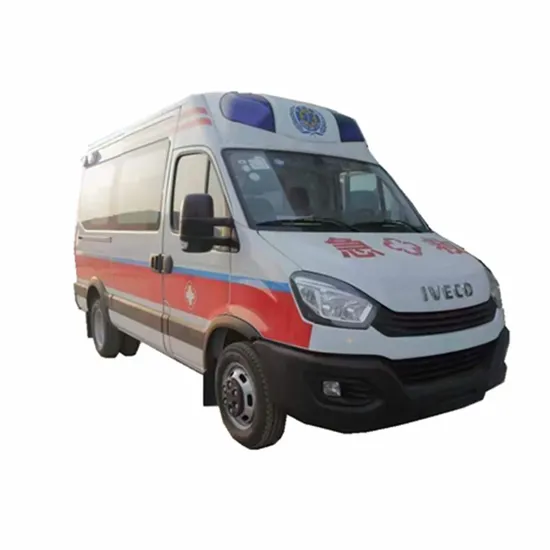
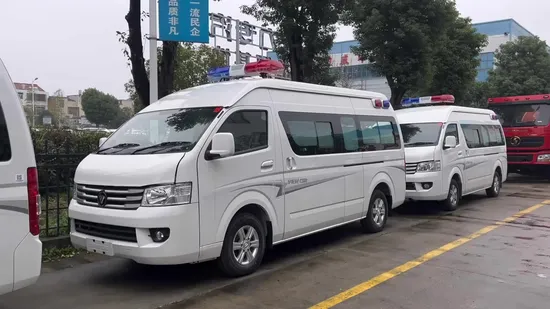
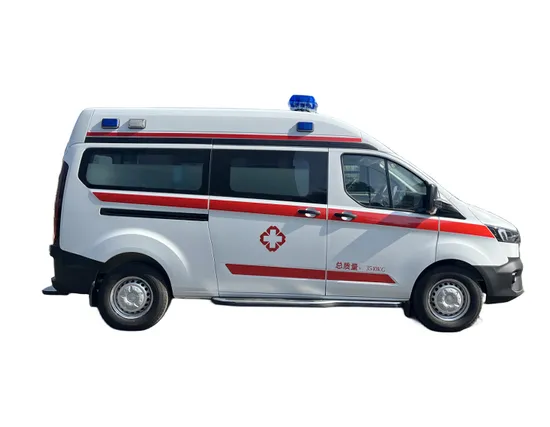
The Euro 6 Diesel Monitoring Ambulance, model CLW5042XJHNJ6, is a compact diesel ambulance for patient monitoring and transfer work. It has a 2,998 ml four-cylinder engine, a 3,520 mm wheelbase and a gross vehicle weight of 3,550 kg, a size that suits narrow streets as well as open roads.
It is meant for hospitals, clinics, rescue organisations and private medical operators that want a flexible base vehicle and will decide the medical fit-out together with us. The final specification of the interior is written into the quotation after we discuss how you plan to use the vehicle.
Typical working routines
Most monitoring ambulances spend their days on scheduled transfers: a patient moves to a hospital for a scan, returns home after a procedure, or is carried between care facilities. The vehicle must be quiet, steady and easy to load, because the crew works beside the patient for much of the journey.
With seating for 3 to 8 people, the vehicle can run as a two-person crew car or carry additional medical staff and escorts. Operators with several stations sometimes order different seat counts for different duties, and we can discuss that mix when preparing a combined quotation for the group.
Engine and fuel system
The engine is an in-line four-cylinder diesel with water cooling, direct injection and inter-cooling, and it meets Euro VI emission limits. Maximum torque is 430 Nm at 1,500 rpm, a low engine speed that supports confident starts on slopes and with a full crew on board.
The fuel tank holds 100 L, and the vehicle has a top speed of 120 km/h. Operators planning long transfer routes should compare the tank size with their typical distances and refuelling points. Gearbox type and the power figure are confirmed in the quotation for the chosen version.
Weights, suspension and brakes
Curb weight is 2,820, 2,920 or 3,020 kg depending on the version, and gross vehicle weight is 3,550 kg. The difference between the two figures is what remains for the crew, the patient and the medical equipment, so a heavier fit-out reduces the allowance. We help you check this balance before the order.
The front suspension is McPherson independent and the rear is air suspension, which keeps the ride softer for the patient. Braking is a hydraulic double-circuit disc system. Because the two circuits work independently, the driver keeps braking capacity if one of them loses pressure.
Options and customisation
The interior is where ambulances differ most. Stretcher fixing, storage for bags and devices, seat positions, lighting and the medical equipment can all be arranged to your needs. Customisation is available, and the more clearly you describe your procedures, the more closely the layout will follow them.
Body colour, exterior markings and warning equipment are also decided by the operator. We recommend sending photographs or drawings of any layout you have used before. Our team reviews them and replies with a proposed arrangement, so that the quotation reflects what the crew will actually need on the road.
What to confirm before ordering
Please confirm the drive side, the emission standard required where the vehicle will be registered, the gearbox type you prefer and the number of seats. State which curb weight version you want and whether medical equipment should be supplied with the vehicle or fitted separately.
It also helps to tell us the usual crew size, the typical journey length and any equipment you must carry. With that information we can confirm the figures that depend on configuration, such as power and equipment weight, and provide a quotation that you can check line by line against your requirements.
Request a current quotation for your selected configuration, quantity and delivery terms.