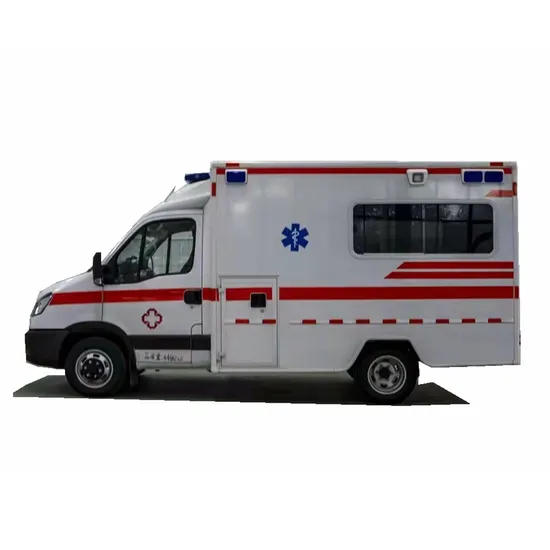
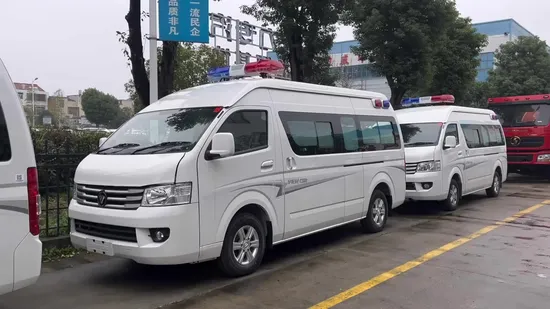
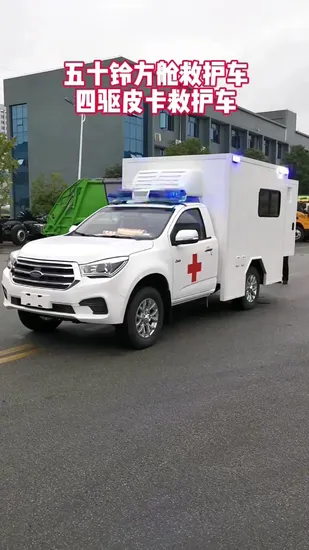
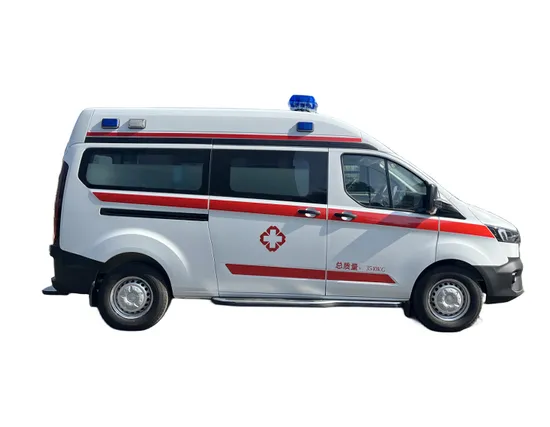
The Box Type Negative Pressure ICU Ambulance Euro 4 is a box-bodied intensive care ambulance on a diesel chassis with a manual gearbox. It meets the Euro 4 emission standard, weighs 4490 kg gross and has a 3300 mm wheelbase. We offer it to hospitals and rescue services that need to move seriously ill or infectious patients.
The defining idea of a negative pressure ambulance is airflow control. The patient compartment is kept at a slightly lower pressure than the air outside, so air tends to move into the compartment rather than out of it. This reduces the chance of contaminated air reaching the cab and the people around the vehicle during transport.
Where this ambulance is used
Negative pressure units are used for patients with contagious respiratory conditions, for transfers between isolation wards, and for emergency response when an infectious disease is suspected. Hospitals, public health agencies and disease control centres often keep one or two vehicles of this type ready, even if they are used less often than standard ambulances.
The ICU designation means the vehicle is intended for patients who need continuing monitoring and treatment on the way. The box body gives space for staff to work on both sides of the stretcher. Tell us the typical journey length and the number of staff on board, so the compartment can be planned correctly.
Chassis, engine and drivetrain
The vehicle runs on diesel with a displacement of 2.998 L and uses a manual gearbox. The engine meets Euro 4. Engine power is matched to your order and confirmed in the quotation. The wheelbase of 3300 mm gives a body that is long enough for equipment and staff yet still reasonable to drive in city streets.
A gross vehicle weight of 4490 kg is the limit that the chassis, body, medical devices, crew and patient must share. Intensive care equipment adds weight, so we recommend settling the equipment list early. Our team will compare it with the weight rating and tell you how much margin remains.
Equipment and operating routine
The vehicle is supplied in white and customisation is available. The exact medical equipment list is agreed with you and written into the quotation, so there is no doubt about what is installed in the vehicle. Please send us the devices your teams already use, such as monitors and ventilators, and we will plan places for them.
Operators should agree a routine for cleaning the compartment after every transfer and for checking that the airflow arrangement works before a mission begins. Staff training matters as much as the vehicle. We can describe the arrangement on the vehicle you order, so that your infection control team can write procedures around it.
What to confirm before ordering
Confirm the drive side first. Left-hand drive is standard and right-hand drive is available on request. Next confirm the emission standard, the engine power, the interior layout and which medical devices are to be installed in the vehicle. All of these points are recorded in your quotation.
It also helps to tell us whether the vehicle will mostly carry one patient or may need to carry an escort or relative, and what your health authority expects from the cab and compartment arrangement. Clear answers let us configure the vehicle correctly the first time instead of changing it after production begins.
Request a current quotation for your selected configuration, quantity and delivery terms.