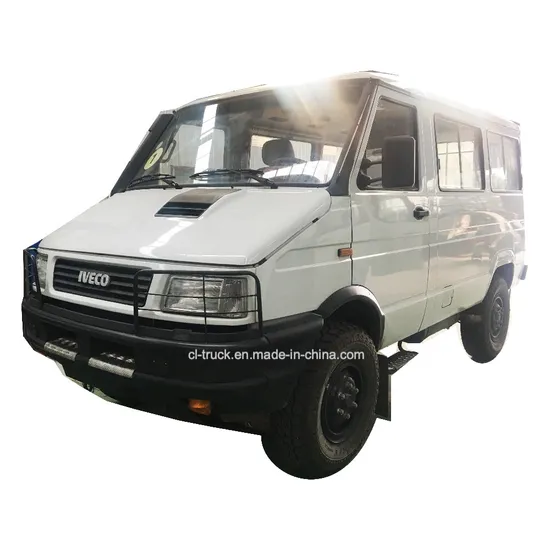
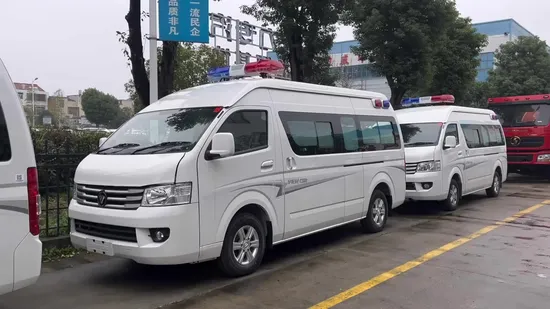
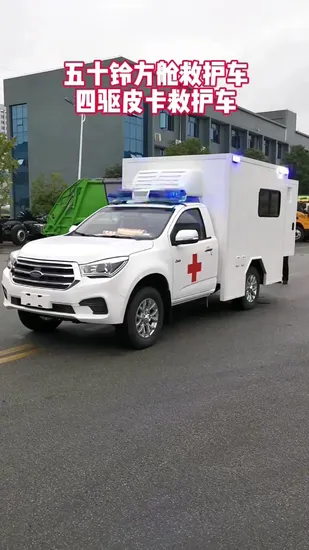
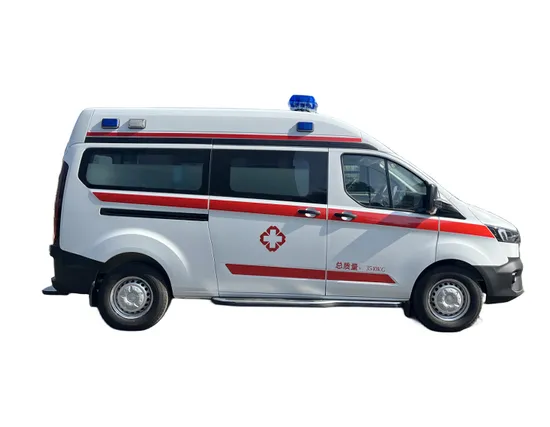
The 4x4 Diesel Ambulance Euro 5 149kW Manual is a patient transport vehicle built under the model code CLW5030XJHJ5. It has four-wheel drive, a manual gearbox and a 149 kW engine, and it is delivered as a left-hand drive vehicle, with right-hand drive available on request. The body is finished in white, the usual colour for emergency medical vehicles.
This model suits ambulance services, clinics, industrial sites and rescue organisations that need a compact vehicle able to reach patients on poor surfaces. Four-wheel drive helps on mud, gravel and unpaved tracks, while the modest overall length keeps the vehicle manageable in narrow streets, hospital yards and crowded building sites where larger ambulances struggle to turn.
Where this truck is used
A compact four-wheel-drive ambulance is typically chosen for routes where the road itself is the main obstacle. Rural health posts, mining camps, plantations and construction projects often sit at the end of tracks that become slippery after rain. In these places a two-wheel-drive van can stall at exactly the moment a patient needs to be moved.
The same layout also works for ordinary city duty. Hospitals and private clinics use vehicles of this size for patient transfers between facilities, for scheduled transport of patients who need monitoring, and as a first-response car. A smaller body is easier to park at an entrance and quicker to position beside a casualty in a congested street.
Chassis, engine and drivetrain
The vehicle uses the engine type ECOBOOST4G20B5L with a displacement of 1.997 litres and a rating of 149 kW, which is about 202 HP. Power goes through a five-speed manual gearbox with five forward gears and one reverse. Emission performance is Euro 5, and the final emission and fuel arrangement is confirmed in the quotation.
The overall dimensions are 5341 mm long, 2032 mm wide and 2407 mm high, on a wheelbase of 3300 mm. Gross vehicle mass is 3300 kg and kerb weight is 2150 kg. Tyres are 215/75R16LT, and the vehicle carries four road tyres plus one spare, which is worth remembering when planning routes far from workshops.
Cab and medical equipment
The cab has air conditioning and power steering, two features that reduce driver fatigue on long shifts and make low-speed manoeuvring in tight spaces easier. A driver who spends hours waiting at roadside incidents or hospital entrances will notice the benefit of a cooled cabin, especially when the patient compartment must also stay comfortable.
This version is specified with medical equipment, and a monitor is part of the configuration. The exact list of stretcher, oxygen, suction and other items depends on how the vehicle will be used, so we agree it with you before production. Because ambulances vary widely between operators, treat the equipment list as something to define early in the order discussion.
What to confirm before ordering
Several points should be settled in the quotation. First is the drive side: left-hand drive is standard and right-hand drive is available on request. Next is the emission standard and fuel arrangement that match your registration rules, followed by the engine power figure you need documented, since these details can be adjusted by configuration.
You should also confirm the medical equipment package, interior layout, body colour, warning lights and siren, and any radio or communication fittings. Tell us how many patients and attendants you expect to carry and what roads the vehicle will cover. With that information our team can match the vehicle to your service and prepare a precise offer.
Request a current quotation for your selected configuration, quantity and delivery terms.