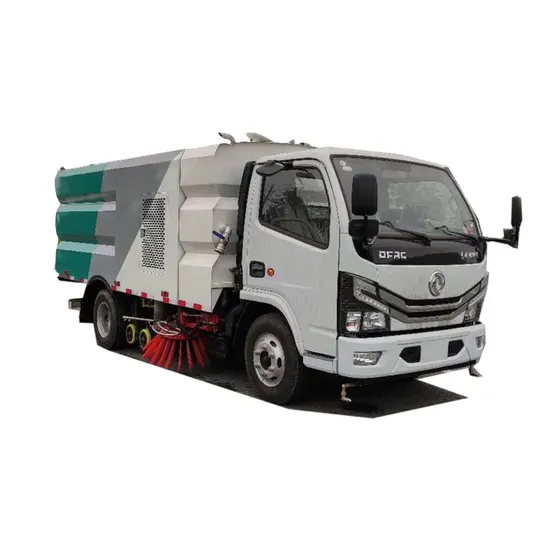
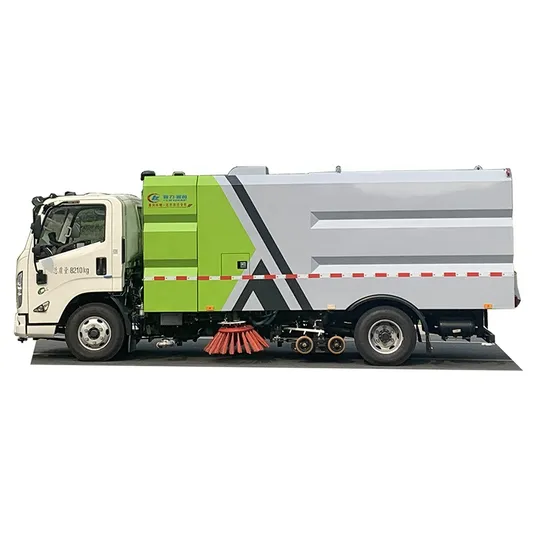
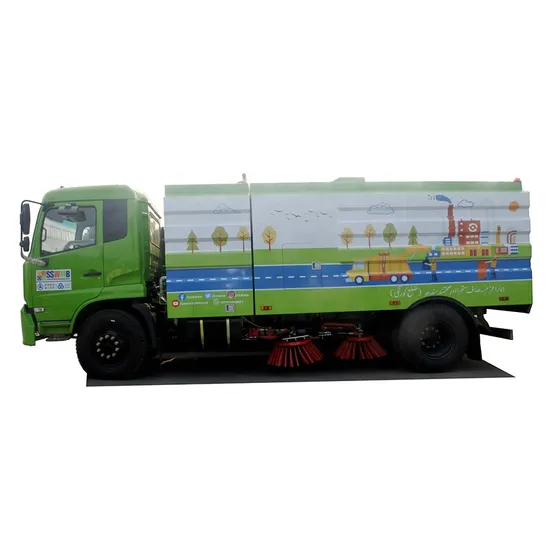
A mechanical sweeper uses rotating brooms to flick debris into a hopper, a vacuum sweeper adds suction to lift fine dust and litter, and a regenerative air sweeper blows air onto the surface and draws it back in a closed loop. Choose by what you sweep: heavy debris, fine dust, or a mix.
How each type picks up dirt
All three types move debris from the road into an onboard hopper. What differs is the force that does the lifting.
| Type | How it lifts debris | Strong point | Limitation |
|---|---|---|---|
| Mechanical | Gutter brooms push debris inward and a main broom flicks it onto a conveyor or into the hopper | Heavy, bulky debris such as stones, leaves and cans | Raises dust unless a water spray is used |
| Vacuum | Brushes loosen dirt and a fan draws it up through a suction nozzle | Fine dust, litter and light material | Large or wet items can block the nozzle |
| Regenerative air | A blower sends air down onto the surface and the same air is drawn back up and recirculated, carrying dirt with it | Fine dust on smooth, open surfaces | Less suited to heavy debris |
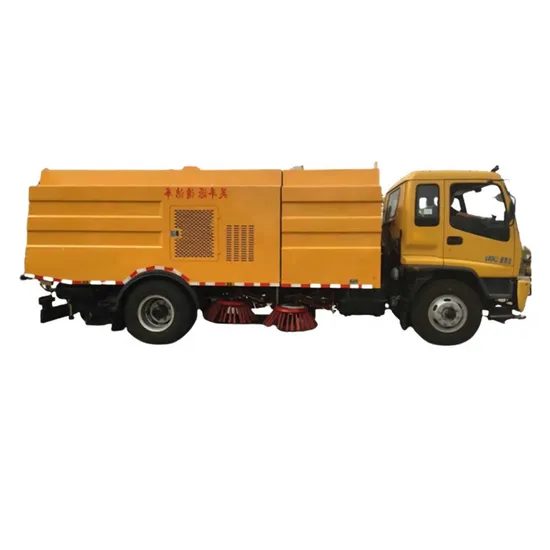
Choosing by surface and debris
- Mixed city streets. Vacuum sweepers pick up litter and dust in one pass, which is why they are common in urban work.
- Building sites and yards. Mechanical sweepers cope better with stones and soil clods that would choke a suction nozzle.
- Airports and car parks. Large, smooth surfaces with fine dust suit vacuum or regenerative air designs.
Water matters too. Most sweeping systems use a spray to settle dust, so the clean-water tank decides how long a shift can run. The hopper size decides how often you stop to empty it. More brushes and a wider path cover ground faster but need a heavier chassis.
Mistakes to avoid when specifying
Buying on hopper volume alone is the usual error. A large hopper on a light chassis leaves little margin once the water tank and debris are loaded. The second mistake is ignoring the debris: a suction-only machine copes poorly on a site full of stones. Last, check how the hopper empties and whether the cab layout matches the side of the road you drive on.
Our road sweeper trucks range from small 4x2 models to larger chassis, and many are vacuum or wash-and-sweep types. The Isuzu FTR Vacuum Sweeper Truck 8m3 Debris Tank lists a 2000-litre water tank and an 8000-litre debris tank. The Dongfeng 4x2 Vacuum Road Sweeper Truck 3-5m3 Euro 5 lists a 1.5 m³ fresh water tank and a 4 m³ trash container, and the JMC Road Sweeper Truck with High Pressure Water System lists a 5000-litre water tank with a 5 m³ hopper. If you need a regenerative air system, say so when you request a quotation. See all road sweeper trucks for sale, or read how a street sweeper works for the basics.
Frequently asked questions
Can a mechanical sweeper clean fine dust?
It can, but brooms tend to throw fine dust into the air, so a water spray is normally used alongside them. For dust-heavy work, a vacuum or regenerative air design usually leaves a cleaner surface.
Do vacuum sweepers need water?
Most carry a clean-water tank and spray to hold dust down while the brushes work. The tank size sets how long you can sweep before refilling, so check it against the length of your shift.
Which type copes best with wet leaves and mud?
Brush-and-conveyor mechanical sweepers handle wet leaves and mud better, because a suction nozzle can clog on heavy wet material. Machines that combine brushes with a wide nozzle are a common compromise.