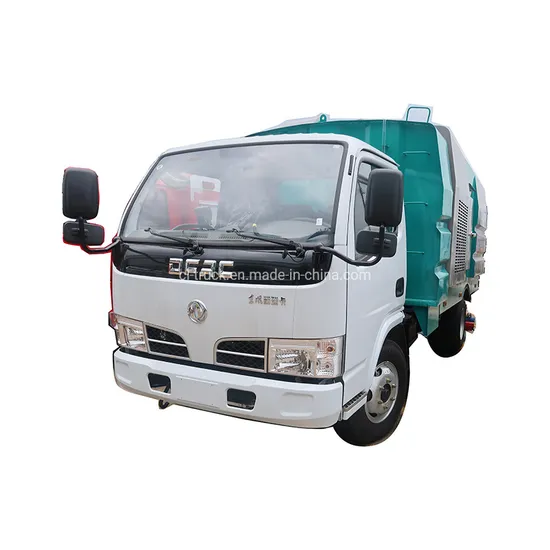
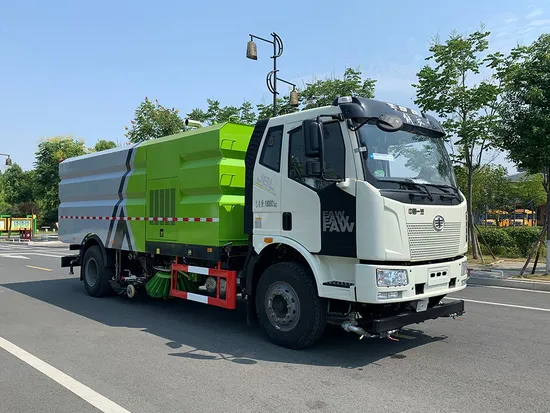
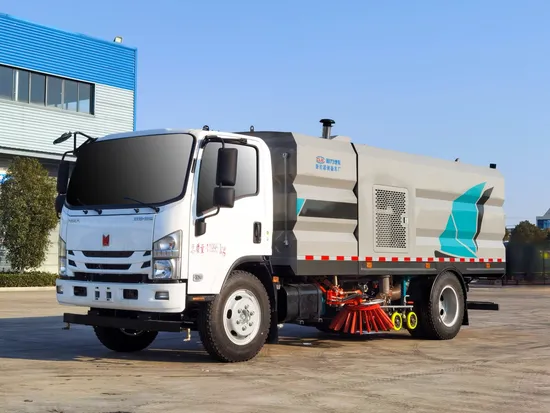
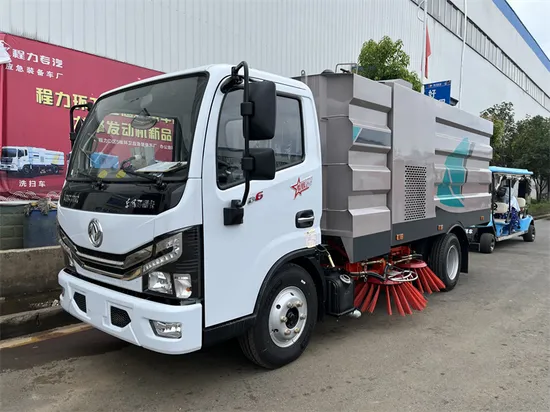
The Dongfeng Vacuum Street Sweeper Truck Euro 2 is a sweep-and-suck road cleaning truck on a Dongfeng 4x2 chassis. Power comes from a Chaochai diesel engine, model CY4100Q, through a manual transmission with five forward gears and one reverse. The emission standard is Euro 2, and the truck can be built in left-hand or right-hand drive.
It suits municipal cleaning teams, industrial parks, ports, campuses and contractors who need to clear dust and litter from roads using cold water cleaning. The wheelbase of 3300 mm and overall dimensions of 5950 × 2000 × 2590 mm keep it practical for city streets and service roads.
Chassis and drivetrain
The chassis is Dongfeng, with a 4x2 drive layout and a diesel engine. Curb weight is approximately 5,040 kg, the front axle is rated at 1.8 tons and the rear axle at 3.5 tons. The maximum driving speed is 90 km/h, which helps the truck move quickly from one cleaning zone to the next.
Brakes are air-operated and steering is power-assisted, both important when a loaded sweeper must stop smoothly. Tyres are 7.00R16, supplied as six tyres plus one spare. The manual operation of the gearbox is easy for drivers who already know conventional trucks, which shortens training time.
Cleaning process and body
The truck is a sweep-and-suck type, where brushes loosen the debris and the vacuum system draws it into the container. The cleaning process uses cold water, which suppresses dust and helps the nozzle collect fine particles from the road surface without raising a cloud behind the truck.
The water tank is 1.5 m3 and the garbage tank is 4 m3, and the container is emptied after work at a disposal point. Matching the water volume to the debris volume matters: when the water runs out first, dust control falls, and a quick refill keeps the day on schedule.
Typical working routines
Drivers normally begin the day with a walk-around check of the tyres, brakes, water level and container door, then fill the tank. During the sweep they follow the kerb at a steady, slow pace, because fine dust is collected more reliably at lower speed than at a fast transit speed.
After work, empty the container, wash out the inside and rinse the suction path to prevent blockages the next morning. Record the hours run and check the brushes for wear at regular intervals. Simple discipline like this lets the truck run reliably through a long season of road cleaning.
What to confirm before ordering
Please confirm the drive side, the emission standard you need, the colour and the type of debris on your roads. Tell us whether you work mostly on city streets, industrial roads or construction areas, so we can discuss the best arrangement for your work.
The payload, tank volumes and any optional equipment depend on the configuration and are confirmed in the quotation. Share your daily route length and operating hours, and tell us which spare parts you want included, so the quotation covers the whole package.
Request a current quotation for your selected configuration, quantity and delivery terms.