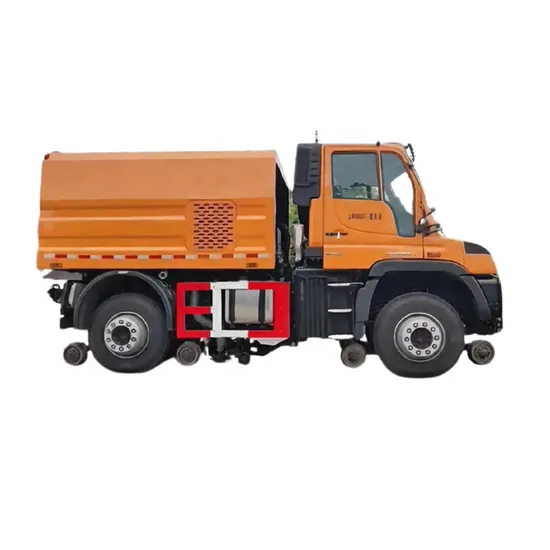
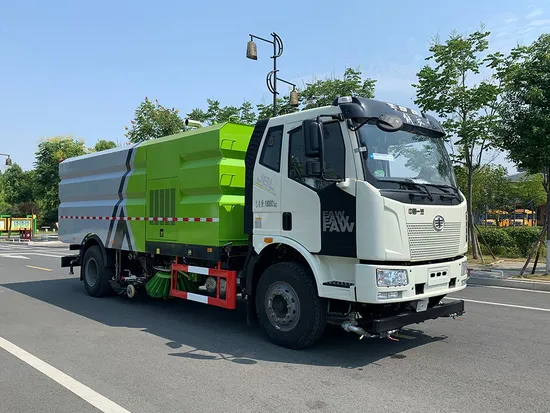
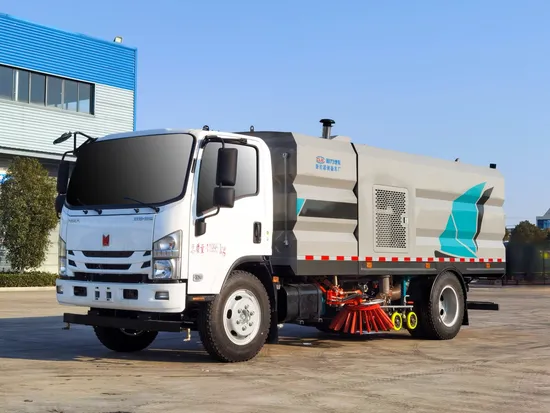
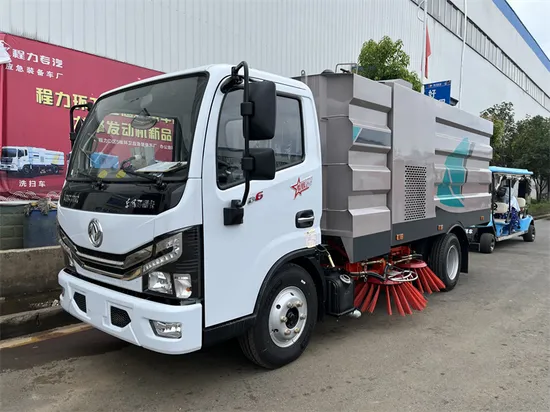
The 4x4 Railway Sweeper Truck for City Subway Cleaning is a four-wheel-drive sweeping vehicle for keeping rail corridors and subway areas clear of dust and debris. It carries a 6000L tank, sweeps a width of 3.5 m and uses a PLC control system together with a pressure vessel among its core components.
We offer it to metro operators, rail maintenance departments and contractors responsible for cleaning transit infrastructure. It suits teams that want a purpose-built cleaning vehicle rather than manual crews, and that need a machine able to carry water and work through a defined cleaning programme.
Where this truck is used
Rail corridors collect fine dust, brake residue, paper and general litter. Left alone, this material blocks drainage, adds to air pollution in enclosed spaces and makes inspection harder. Regular vacuum sweeping reduces the buildup and helps maintenance staff see the condition of the track area.
Work is generally planned around operating hours, so access windows can be short. A sweeper that arrives, cleans a defined section and leaves without much preparation is valuable in these conditions. Four-wheel drive gives the vehicle traction on uneven or loose surfaces around the work area.
Tank and body configuration
The tank capacity is 6000L, which provides the water supply for the cleaning process. The sweep width is 3.5 m, and the overall dimensions are 8990 × 2300 × 2900 mm. This is a larger vehicle than a compact street sweeper, so access routes and turning room should be checked before the truck is used on a new site.
The core components include a PLC and a pressure vessel. A PLC allows sweeping functions to be coordinated electronically instead of through a number of separate manual controls. The product is a vacuum-type road sweeper, meaning it draws debris into a collection body rather than only pushing it aside.
Operating and daily care
Before each shift, check the water level, tyres, brakes and lights, then inspect the sweeping gear and suction path for blockage. Starting with a clean system gives better results, and it is easier to spot wear early than to repair damage after a failure.
After work, empty the collected debris, rinse the system, and check that nothing is trapped in the intake. Operators should receive training on the PLC controls and the pressure vessel before they work alone. Following the maintenance routine we supply helps the vehicle stay available for each scheduled cleaning window.
What to confirm before ordering
Please confirm the drive side, the emission standard needed for your registration, and the engine configuration. Emission level and chassis details depend on the configuration and are confirmed in the quotation. Tell us about the clearance, gradient and surface conditions on your access routes so we can judge whether the vehicle suits them.
Also tell us which sweeping and washing functions you need, how much debris you expect and how far the dumping point is from the work area. Customisation is available, and our team will write the agreed tank, sweeping and control options into the quotation for you to review.
Request a current quotation for your selected configuration, quantity and delivery terms.