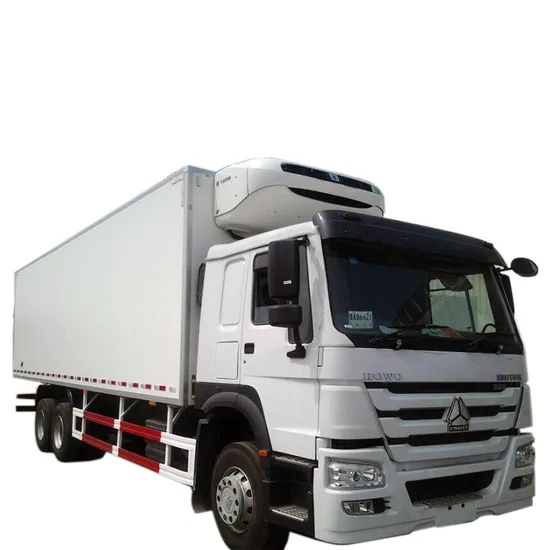
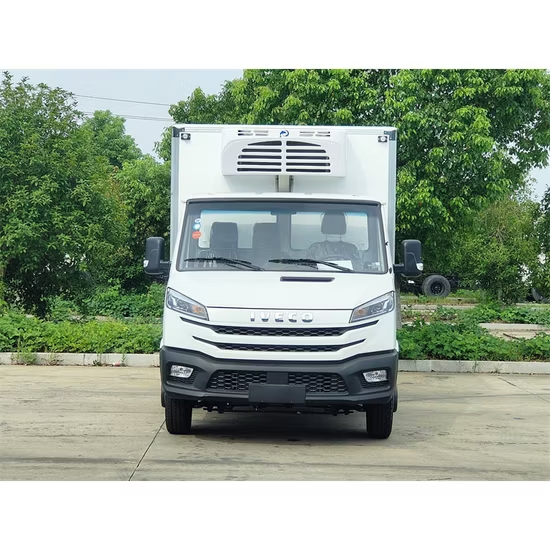
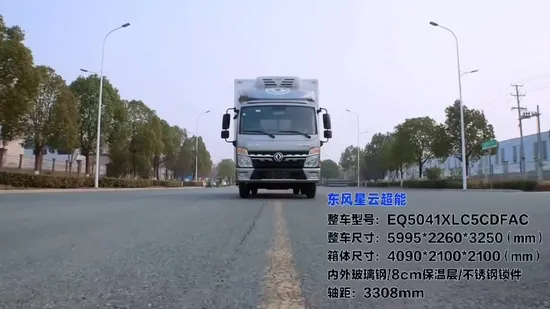
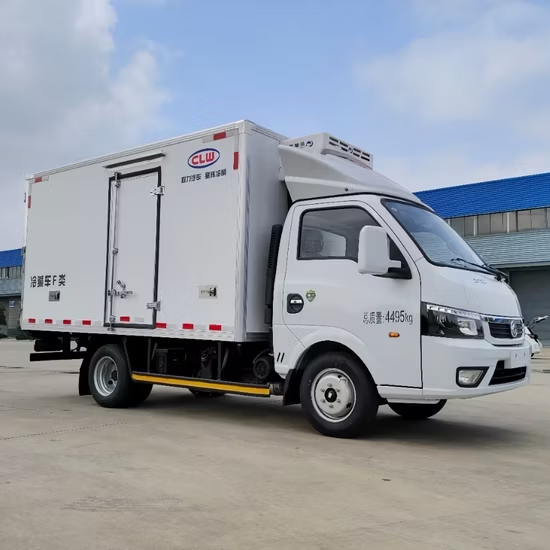
The Sinotruk 6x4 Refrigerator Cargo Truck Mobile Freezer Van is a three-axle Sinotruk chassis fitted with a closed cargo box and a refrigeration unit, built for carrying frozen and chilled goods by road. The 6x4 layout puts six wheel positions on the road with the rear axles driven, a common arrangement for heavier cargo trucks.
It suits food distributors, cold storage operators, catering suppliers and wholesalers who need to keep goods at a controlled temperature between a warehouse and the customer. A mobile freezer van like this works as a moving cold room, so product can be loaded, carried and delivered without leaving the cold chain.
How a freezer van works
A refrigerated van does not make goods cold; it holds the temperature they already have. The refrigeration unit removes heat that enters through the box and each time the doors open. For that reason cargo should be pre-cooled before loading, and the box should be cooled to the working temperature before the first pallet goes in.
Air must be able to circulate around the load. Packing goods hard against the walls or the unit blocks the airflow and creates warm spots. Leave space between stacks, keep door openings short, and close the doors fully at every stop. Good loading habits protect the product far more than a lower thermostat setting does.
Typical working routines
Most freezer vans run planned routes: a morning load at a cold store, then a series of drops at shops, restaurants and distribution points. The driver should monitor the box temperature through the day and note it at each delivery. Short runs with many door openings need more attention than one long run with a single stop.
The six-wheel 6x4 chassis suits heavier cargo and longer routes than a light delivery van. When you plan your fleet, think about the total weight of the loaded box, the number of stops and the roads you will use, since these decide how much capacity you need and how the truck will be driven.
Care and daily checks
Each day, check the engine oil, coolant, tyres and brake system, then inspect the box. Look at the door seals, hinges and locks, since a damaged seal lets warm air in and makes the unit work harder. Check the refrigeration unit before loading and clear any frost or debris from its air paths.
Clean the inside of the box after each food run, and let it dry with the doors open before the next load. Wash the floor drains if fitted. A regular cleaning and inspection routine prevents odours and keeps the box ready for the next shift, and it helps spot wear before it affects the temperature inside.
What to confirm before ordering
Several points are fixed in the quotation: the cargo box length, width and height, the target temperature range, the type of refrigeration unit, the payload, the drive side and the emission standard your road rules require. Tell us what you carry and for how long, because that sets the temperature and box layout we recommend.
Also confirm the number and position of doors, the engine and gearbox, the paint colour and any optional equipment. Our team will respond with a quotation listing the final configuration line by line, so that you can check it against the routes, loads and storage conditions of your own business before ordering.
Request a current quotation for your selected configuration, quantity and delivery terms.