Buyers who search for a cold plate truck for sale are usually planning short delivery rounds with many stops: bakeries, dairies, butchers, ice cream and fresh food distributors. Others ask for a diesel truck reefer, which is the more common system, with a refrigeration unit that cools the box while the truck works. Both keep food cold, but they work differently and suit different jobs. This guide explains the two systems in general terms, shows how to choose for your rounds, and points to real refrigerated trucks in our range. It is not a substitute for the specification in your quotation.
Video: Foton refrigerated truck walkaround
This short exterior walkaround shows a Chengli Foton Ouhang refrigerated truck, model CLW5181XLCB6, including the cab and insulated cargo body. It illustrates a refrigerated vehicle layout; it does not demonstrate a cold plate system or certify temperature performance. Confirm the cooling unit, temperature range and body dimensions for your chosen build.
Watch the Foton refrigerated truck video on YouTube.
How a cold plate (eutectic) system works
A cold plate is a sealed plate filled with a liquid that freezes at a set temperature. The plates are fitted inside the insulated box. They are frozen overnight, usually from a mains-powered freezing unit at the depot, and during the day they slowly absorb heat from the cargo space and thaw. There is no compressor running while the truck is on the road, so the box stays quiet and the engine does not need to power a cooling unit. The cooling available depends on the size of the plates and the box, so it is planned for a set time on the road, not for an open-ended day.
The strengths are simple: low noise, no engine-driven cooling load, and steady cooling that is not affected by the truck engine being switched off at each stop. The limits are equally clear: you need a place to freeze the plates, the cooling time is finite, and the plates take space inside the box.
How a refrigerated truck with a refrigeration unit works
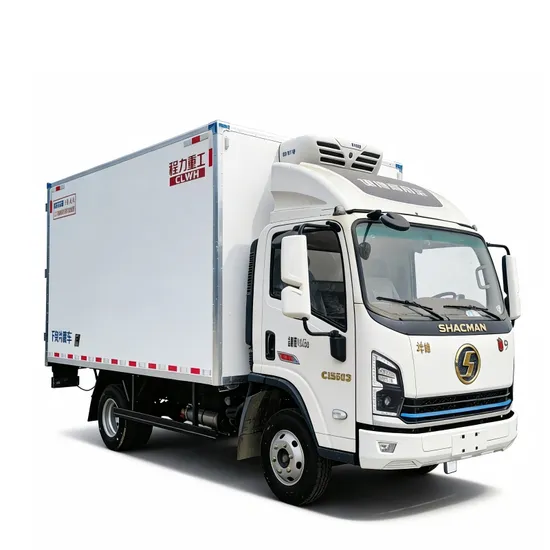
A refrigerated truck, also called a reefer truck, carries a mechanical refrigeration unit on the front of the box. The unit pulls heat out of the load and can bring warm cargo down to temperature. Depending on the model, the compressor can be driven from the truck engine, by its own small diesel engine, or by an electric motor that can plug into mains power when the truck is parked. Our Foton 6-wheel refrigerated truck page, for example, says the unit may be independent or driven from the engine, and mentions Thermo King, Hanxue and Carrier as brands. Ask for the unit make, model, power source and temperature range to be named in your quotation.
Which suits your deliveries?
- Many door openings, short rounds, a depot to freeze the plates. Cold plates can work well, because there is no unit to restart and cooling recovers from the plates.
- Long routes or variable days. A refrigeration unit keeps working as long as it has fuel or power, so it suits longer journeys and routes that vary from day to day.
- Loading product that is not yet cold. A mechanical unit can pull the temperature down. Cold plates are better at holding a temperature than at cooling a warm load, so pre-cool the cargo.
- Quiet or low-emission zones. Plates make no noise on the road. Some electric-standby units can also run quietly when parked.
- Frozen food and ice cream. The temperature needed is a deciding factor: confirm that the system you choose reaches and holds it for the whole round.
Running cost, fuel and servicing
Think about the whole day, not only the purchase. A cold plate system needs a freezing point at the depot, a power supply for it and a routine for freezing the plates before each round. It has fewer moving parts on the truck itself. A mechanical unit adds fuel use if it is engine-driven, regular servicing of the compressor, belts and filters, and a technician who knows the make. In many towns the availability of a service agent for the unit brand is as important as the price. Ask who will service the unit in your area, which spare parts you should keep, and what the drivers need to be trained to do. Defrost, door discipline and pre-cooling the box before loading affect the result of either system more than most buyers expect.
Hygienic container trucks: the box matters as much as the cooling
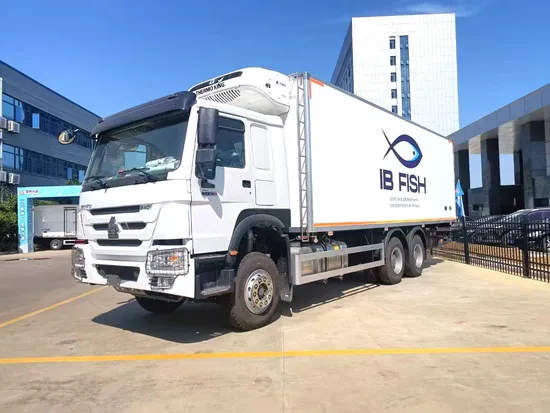
Food regulators and supermarket buyers care about the box as well as the temperature. A hygienic container truck has a smooth, easy-to-wash interior, floors that drain, sealed joints and materials that suit food contact. Insulation thickness and door seals decide how well the box holds its temperature. Our note on refrigerated truck insulation explains what panel thickness does and does not tell you. The Foton page above gives an 80 mm PU insulated fibreglass box with a temperature range of -18 to 0 °C, and the Sinotruk HOWO 4x2 refrigerated truck page names a Thermo King unit that holds cargo down to -18 °C.
Real refrigerated trucks to compare
These pages show box size and chassis for different rounds. We do not say that any of them uses cold plates: their pages describe mechanical refrigeration units, and if you want a cold plate system, tell us and we will confirm what can be built.
| Model | Box and weights shown on the page | Cooling shown |
|---|---|---|
| HOWO 4x2, 180hp | 6,200 x 2,428 x 2,450 mm box, 18,000 kg GVW | Refrigeration unit customised to the order |
| Sinotruk HOWO 4x2, 160 HP | 6,800 x 2,400 x 2,500 mm box, about 18,000 kg GVW | Thermo King unit, down to -18 °C |
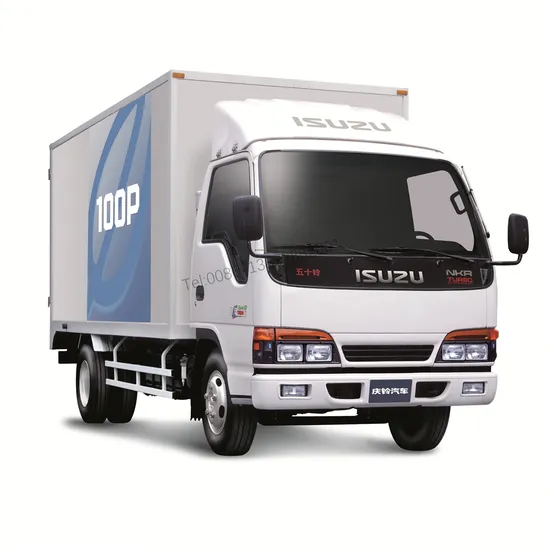
| Isuzu 100P cold room van, 4-5t | Inner 4,150 x 1,750 x 2,230 mm, 5,000 kg rated payload | Refrigeration unit, down to -18 degrees |
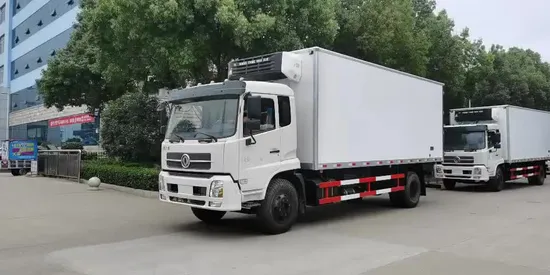
Insulated box or refrigerated box: do you need cooling at all?
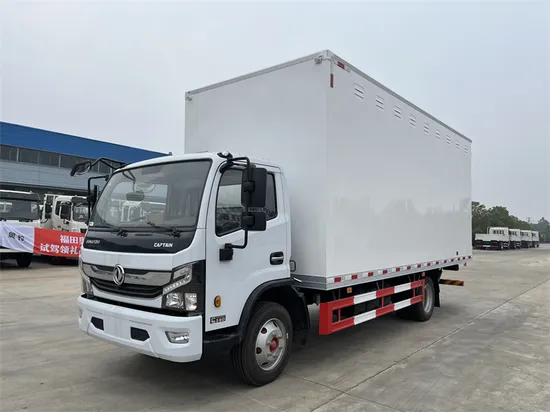
For cargo that only needs protection from heat over a short trip, an insulated dry box may be enough, and a plain box truck such as the Dongfeng Captain 6 m closed box lorry carries ambient cargo. Do not use a dry box for chilled or frozen food. Check what your customers, your food authority and your insurer require. Our reefer truck guide covers sizes and cooling units, and why refrigerated truck quotes differ helps you compare offers. See also all refrigerated trucks.
What to send us for a quotation
Tell us the product and the temperature, the number of stops, the length of the round, the load weight, the box size you need, and whether a depot with mains power is available. Tell us the steering side, which is left-hand drive as standard with right-hand drive on request. We will propose the box, chassis and cooling system. Please contact us, message us on WhatsApp, or send us your requirements.