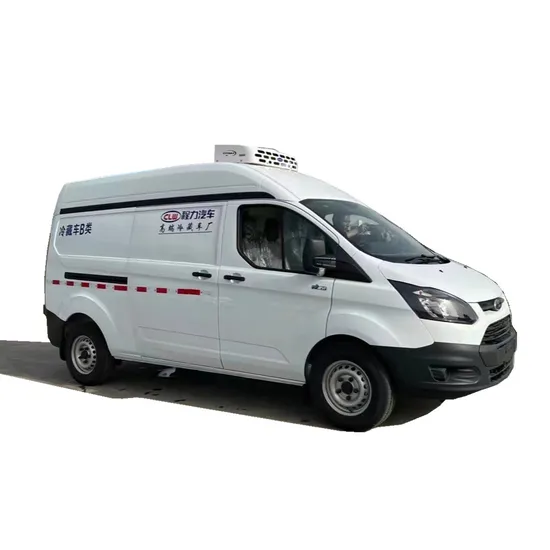
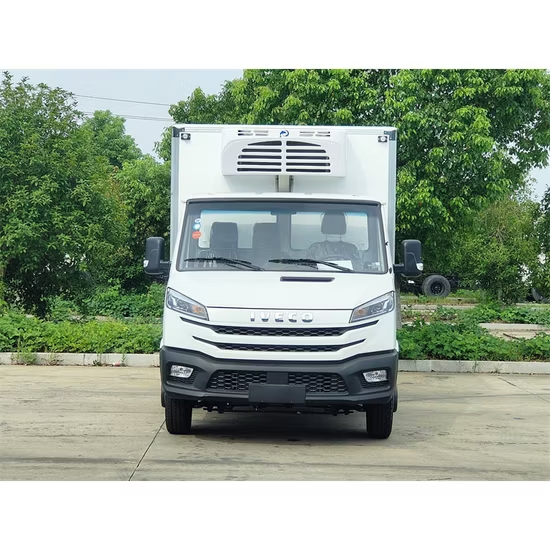
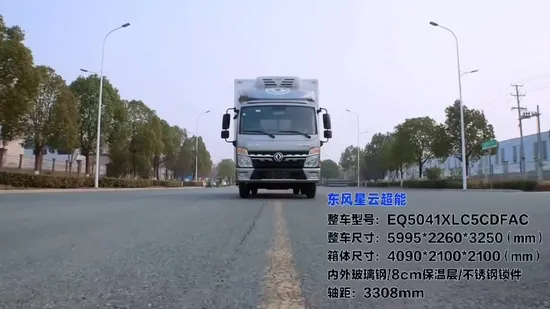
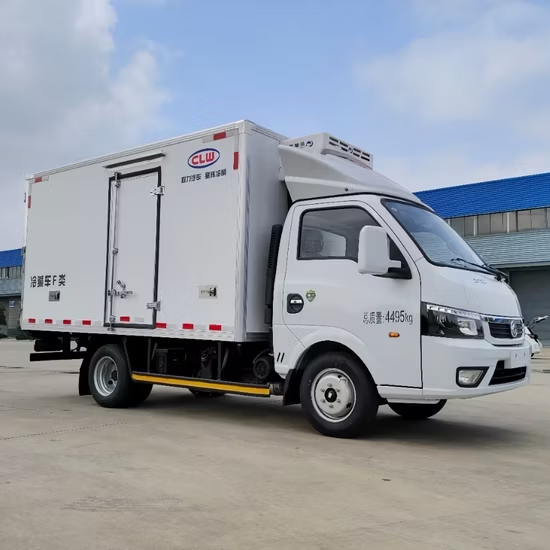
The Ford V362 Diesel Refrigerated Vaccine Carrier Truck is a compact refrigerated van built on a Ford chassis. It runs on diesel with a manual gearbox and carries its cargo in a closed, temperature-controlled box. We build it for medical and food distributors who move small, valuable loads that must stay cold from the dispatch point to the receiving door.
This model suits health distributors, pharmacy wholesalers, laboratories and cold-chain contractors that run many short drops each day. Overall dimensions are 5341 × 2032 × 2580 mm, so the truck still fits hospital yards, depot gates and busy city streets while giving enough cargo room for cartons, crates and insulated boxes.
Where this truck is used
Vaccine and medicine distribution depends on predictable handling. The truck is used for scheduled rounds between a central store and clinics, pharmacies and vaccination points, where the driver opens the door briefly at each stop and keeps the compartment closed in between. Routes are planned so that the most sensitive items are unloaded first.
The same body also carries other chilled goods, such as laboratory samples, dairy items or prepared meals for catering contracts. A small vehicle is easy to park, so a fleet owner can place several of them on separate routes instead of sending one large truck through crowded districts and waiting for a loading slot.
Chassis, engine and drivetrain
The chassis is Ford and the engine is the Duratorq 4D20 6H, a diesel unit with output below 150 HP. The gearbox is manual, which is simple to service and familiar to most drivers. Diesel suits the stop-and-go pattern of daily delivery work, where the engine spends much of its time at low load.
The wheelbase is 3300 mm and the tyres are 215/75R16 LT, a light-truck size that copes well with the weight of a refrigerated body. Gross vehicle weight is 3510 kg. The truck is built to Euro 6, and the payload and cargo volume for your configuration are confirmed in the quotation.
Cold-chain handling in daily use
A refrigerated vehicle works best when the cargo is chilled before loading. Cool the products to the required temperature first, load quickly and close the doors straight away. The refrigeration unit is there to hold temperature, not to pull down a warm load, so pre-cooling protects both the cargo and the equipment.
Drivers should stack cartons so that air can move around them and keep the airflow openings clear. Plan stops in sequence, and where possible unload the most sensitive cargo first. A short log of door-open times and compartment readings is a practical habit for medical deliveries, and it helps you spot problems early.
What to confirm before ordering
Please confirm with our team the drive side, the payload you need, the interior size of the cargo compartment and the temperature range your products require. Tell us also which type of refrigeration unit you want fitted to the body, since this affects cooling performance and how the unit is powered.
Other items to settle in the quotation include body colour, interior fittings such as shelves or tie-down rails, optional temperature recording and the emission standard needed by your registration authority. Send us a short description of the products you carry and your daily route length, and our team will suggest a suitable configuration.
Request a current quotation for your selected configuration, quantity and delivery terms.