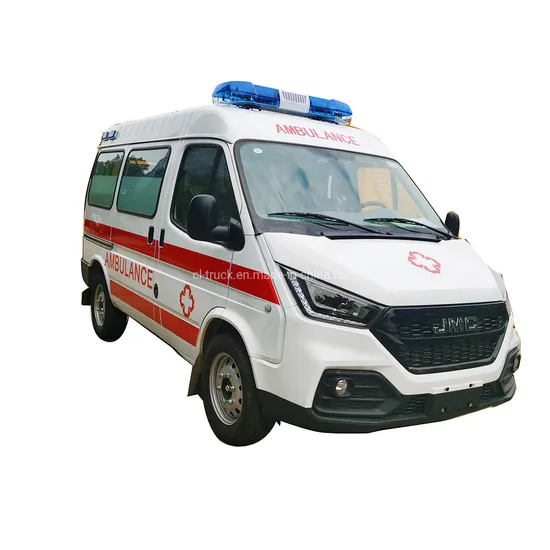
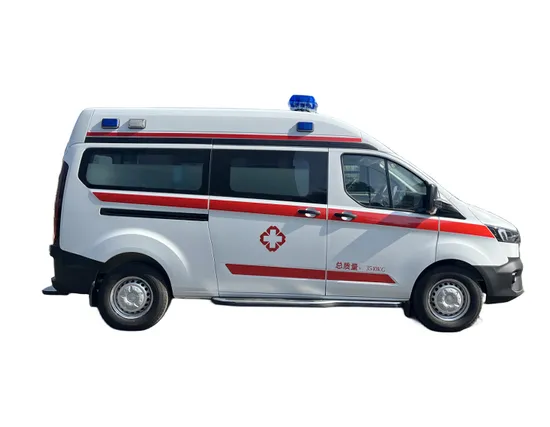
The JMC Diesel Ward-Type Ambulance 115HP LHD, model CLW5042XJHCD6, is a patient transport ambulance of the ward type, built on a JMC diesel chassis with left-hand drive. The overall size is approximately 4700 × 1972 × 2440 mm on a 2835 mm wheelbase, and the cab has air conditioning and power steering.
A ward-type ambulance carries patients who need transport rather than intensive treatment: hospital discharges, appointments, transfers between wards and care facilities, and non-emergency calls. The compact body suits clinics, community health centres and hospitals that need a small vehicle for frequent short trips between sites.
Typical working routines
Ward-type transport is calmer than emergency response. The patient lies on a stretcher or sits with an attendant, and the priority is a smooth, safe ride. The 2835 mm wheelbase and compact body make the van easier to place at hospital entrances, care home drives and clinic car parks.
The patient compartment measures 2600 × 1730 × 1550 mm. That is enough to plan carefully for a stretcher, a seat for the attendant and some portable equipment. Ask for a drawing, because the usable space depends on the interior lining, cabinets and fixed fittings that are chosen for your routine.
Engine, gearbox and running gear
The engine is model JX493ZLQ6, a diesel with a displacement of 2.771 L and a rated output of 85 kW, also written as 115HP. The emission standard is Euro 6. Transmission is a manual with five forward gears and one reverse. Gross vehicle mass is 3510 kg, and kerb weight is approximately 2160 kg.
Tyres are 215/65 R16C, with four fitted plus one spare. Steering is power-assisted and the cab has air conditioning. Left-hand drive is standard, with right-hand drive available on request, and the colour is white. Braking type, suspension and maximum speed are confirmed in the quotation, so request those items in writing.
Equipment and interior
Medical equipment, stretcher type and warning lights are defined in the quotation, so assume nothing about them. A ward-type specification usually concerns seating and a stretcher rather than life-support devices. If you need oxygen, suction or monitoring, state this early, because it changes the wiring and the interior layout.
Think about the daily routine. Crews load and unload many times a day, so a loading aid, a step at the rear door, the floor surface and ease of cleaning all matter. Ask how the floor and walls are finished, whether they can be washed with disinfectant, and how equipment is secured while the vehicle moves.
What to confirm before ordering
Check the engine output first. It is rated 85 kW, about 115HP, and the quotation should state the final figure. Also confirm the drive side, because left-hand drive is standard and right-hand drive is available on request.
Then confirm the number of occupants, the stretcher and seating layout, medical and communication equipment, siren and lights, colour and markings, and the cab features you want. Customisation details should be listed line by line in the quotation, so that nothing relies on assumption at acceptance of the vehicle.
Request a current quotation for your selected configuration, quantity and delivery terms.