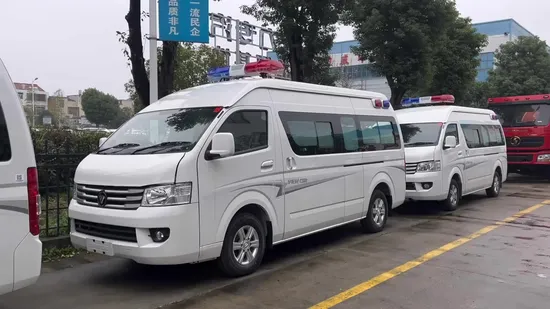
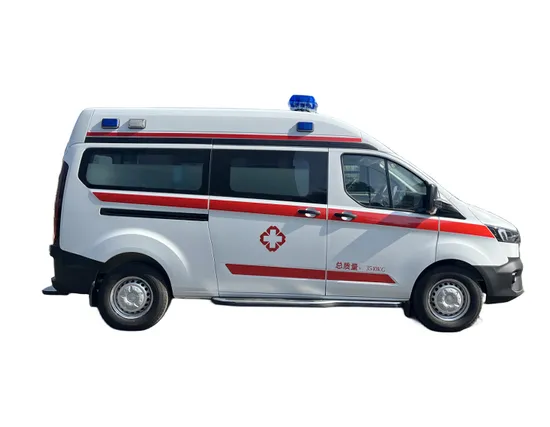
The Foton G7 Ambulance 160HP Euro 6 is a van ambulance with medical equipment, powered by an engine coded 4K22D4M and fitted with a five-speed manual gearbox. The cab is air conditioned, steering is power assisted, and the colour is white.
Think of it as a practical first-line vehicle for a hospital fleet, a medical centre or a private ambulance operator that needs a single-axle van with a high roof. It is a vehicle for daily patient movement rather than extreme terrain, and it is best matched to paved and well-kept roads.
Matching the truck to your job
Before choosing a van ambulance, define the work. A service that mostly does planned transfers needs comfort, a smooth ride and a quiet cabin. A service that answers emergency calls needs fast access to the patient, secure equipment storage and good lighting. The G7 sits between the two, with a wide body and high ceiling that leave space for a stretcher and a crew member beside it.
Overall dimensions depend on the configuration, so the body length is confirmed in the quotation. As a general rule, a longer body gives extra room in the patient area, while a shorter one is easier to place in tight spots such as hospital courtyards and old streets. Decide which suits your routes before asking for a quotation, and ask for a drawing of the version you are offered.
It also helps to think about the height of the vehicle. A high roof is welcome inside the patient area, but it limits access to low car parks and covered drop-off bays, so measure the lowest entrance on your regular routes.
Chassis, engine and drivetrain
The gearbox is manual, with five forward gears and a reverse gear, and the tyres are 195R15C with four fitted. The tyre size is typical of light commercial vans, which makes replacement straightforward. The engine code is 4K22D4M, while the displacement, rated power, fuel type and emission standard depend on the configuration and are confirmed in the quotation.
For a vehicle that spends many hours idling at the roadside, with the engine running to power air conditioning and equipment, ask about how the electrical system copes. A second battery or a mains-powered charging connection is a common request for ambulances that run medical devices while parked.
Cab and operator features
The cab has air conditioning and power steering. These are modest on paper but important in practice. A driver who remains alert after a long shift makes fewer mistakes, and a cool cab protects both crew and patient from heat stress during stationary standby.
The cab is wide-body and high-ceiling. This concerns the van shell, and the patient area benefits most because the head height allows an attendant to move without bending.
Tank and body configuration
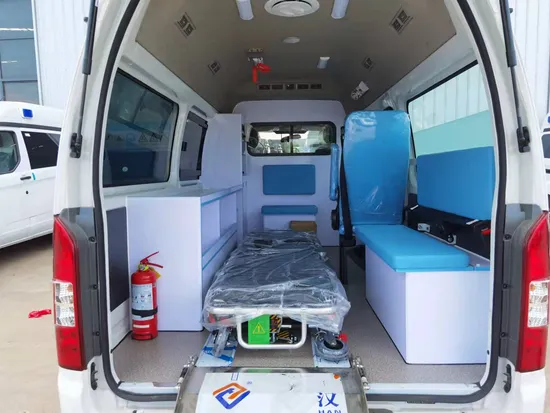
Instead of a tank, the key element here is the patient compartment. The vehicle comes with medical equipment, and the compartment dimensions are confirmed in the quotation. The layout of the stretcher, the position of the attendant seat, and the location of cabinets and oxygen fittings should all be reviewed on a drawing.
Check that the doors at the rear open wide enough for the stretcher type you use, and that the floor height suits your loading method. A loading ramp or a powered stretcher lift is a separate item to discuss.
What to confirm before ordering
Several values for this model depend on the configuration and are confirmed in the quotation: the fuel type, emission standard, engine displacement and power, the wheelbase, the gross vehicle weight, the kerb weight, the steering side and the number of seats in the cab.
Please also confirm the final body length, the equipment list, the power supply arrangements for medical devices, and the exterior markings and warning lights you need.
Request a current quotation for your selected configuration, quantity and delivery terms.