
List the vehicle, fixed conversion fittings, power system, medical devices and consumables separately when preparing an ambulance import enquiry. A single line reading fully equipped ambulance does not identify what is supplied, which documents apply or who supports each item.
Have the clinical organization approve the required equipment and ask the relevant destination authorities and advisers to establish the applicable import and medical-device requirements. This article does not provide a legal admission decision or a universal import checklist.
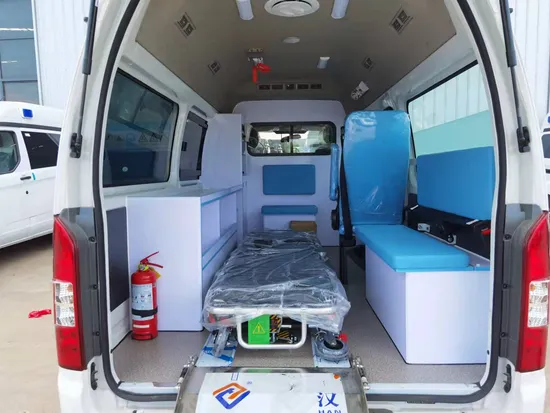
Start with an agreed equipment schedule
For each proposed item, record the manufacturer, model, quantity and supply status. Distinguish included equipment, optional equipment and items supplied by the buyer. Where the exact model is not yet selected, mark it as unresolved rather than using a broad label as a final specification.
Keep the schedule aligned with the clinical service brief. The vehicle category alone should not determine which medical devices the operating organization purchases.
Separate five document groups
| Group | What to list | What to clarify |
|---|---|---|
| Vehicle | Exact chassis or vehicle model and supplied configuration | Vehicle identity and destination-review documents |
| Fixed furniture and conversion | Installed fittings and layout | Drawing revision and conversion supply scope |
| Power system | Defined installed equipment and interfaces | Integration responsibility and technical documents |
| Medical devices | Individual models, quantities and accessories | Device-specific records, local requirements and support |
| Consumables | Exact descriptions and quantities | Applicable product information and supply conditions |
The table organizes the enquiry; it does not determine the regulatory classification of every item. Have the responsible reviewers confirm the requirements for the actual products and intended use.
Link device documents to device identities
Request the manuals and other required records for each selected device, using the precise model and individual identity where applicable. Ask the supplier to show which documents cover which items rather than sending an unindexed folder of general certificates.
At handover, reconcile the equipment received with the accepted list and its records. A different model may require a fresh technical or regulatory review, even if the general function sounds the same.
Use the official destination route
Identify the medical-device regulator for the destination and confirm the required process with it or an appropriately qualified local adviser. As one example of an official starting point for enquiry, SAHPRA's Medical Devices page and its medical-product import information show how a national regulator may publish its requirements.
Those links do not establish approval for this ambulance or its proposed devices, and one country's requirements should not be applied to another by assumption. Supply the regulator with the actual product list and intended activity and retain the relevant response.
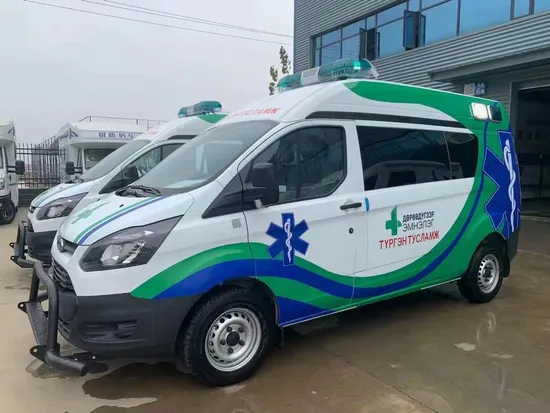
Do not infer a complete package from the Foton G7 entry
The Foton G7 ambulance is listed with left-hand drive, a petrol engine and approximate exterior dimensions of 4,840 × 1,695 × 2,440 mm.
Its source patient-compartment dimensions are placeholders, so a real conversion drawing is still required. The product entry does not establish a complete medical-device list, an import licence or approval for a particular clinical service.
Keep installation and support scope visible
For every device requiring mounting, power or another interface, identify who supplies and reviews that integration. A device included in the shipment is not necessarily installed as part of the conversion unless the quotation says so.
Separate vehicle, conversion and device warranties and support contacts. Ask what instruction, maintenance documentation and parts information are included. Do not assume that the vehicle supplier's general support promise covers every medical item.
Resolve requirements before shipment
Create a document register showing the requested item, responsible party and review status. Mark missing models, records and local determinations as open. Have the relevant import, vehicle and medical-device questions addressed before treating the package as ready for shipment.
This article does not invent customs classifications, duties or licence numbers. Those must be established for the actual shipment by the responsible destination parties.
Send an itemized purchase brief
Provide Chengliwei the clinical-approved equipment list, required conversion layout, destination and document requirements confirmed locally. Ask for a response that preserves the five supply groups and identifies every exclusion.
An itemized package makes the import enquiry, technical review and future support more precise than a broad ambulance label, while keeping clinical and regulatory decisions with the responsible professionals.