A muddy or flooded road changes how a truck behaves. Grip falls, stopping distances grow and a small mistake with the throttle, brake or steering can leave the truck sliding or stuck. Most problems on mud come from the same causes: too much throttle, too much braking, and too much speed for the corner.
Calm, smooth driving solves most of these. This guide covers how to pull away, keep a safe gap, recover a wheel that has sunk, deal with a skid and park on a wet surface, with notes for the rainy-season conditions that many African operators face.
Working conditions in Africa
In the rainy season, unsurfaced roads can turn to deep mud within hours, and water on the surface may hide ruts and soft patches. Fuel stops and workshops can be far apart, so a truck that is stuck may wait a long time for help. Drivers also often switch between different trucks, and each one has its own weight, braking feel and clutch or gearbox behaviour. Take a few minutes to learn the truck before the first wet trip, and plan the route so that the heaviest loads avoid the worst sections.
Pulling away and keeping a safe gap
On mud or standing water, apply the throttle gently. If you stop and start again, too much throttle will make the wheels spin and can set the whole truck swaying from side to side. If that happens, release the throttle at once, hold the steering wheel firmly with both hands, straighten the direction of travel, and then add throttle slowly as the truck moves forward in a straight line.
Leave a much larger gap to the vehicle ahead than you would on a dry road. On wet ground, space is time, and time is what you need if something goes wrong. Use the front and rear fog lights where fitted when spray or heavy rain hides the road. If you cannot make out vehicles ahead, remember that other drivers cannot see you clearly either.
Getting out when a wheel sinks
If a front wheel drops into a hole, do not spin it. Extra throttle only digs the hole deeper. Instead:
- Clear the edges of the hole with a shovel so the wheel can climb out.
- Lay a traction aid, such as a metal mesh mat or solid planks, under the wheel to build a small ramp.
- If nothing else is available, flat stones, branches or dry vegetation can be packed into the hole, which is useful when the approach and departure angles are small.
- Pull out slowly with steady, light throttle.
- If helpers push, make sure nobody stands behind the rear wheels, because mud and stones can be thrown out at speed.
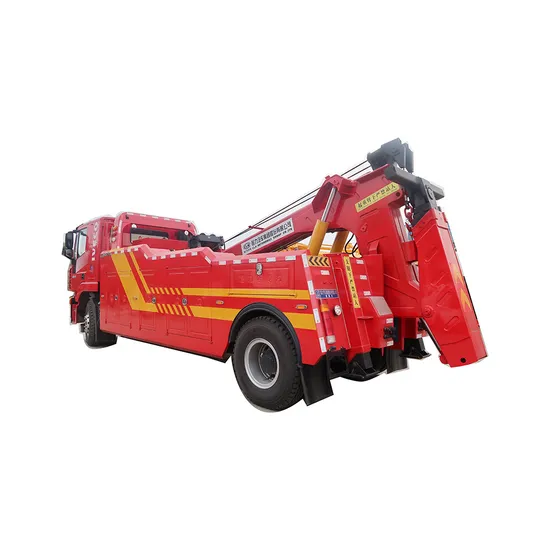
If the truck stays stuck, call for a recovery vehicle early rather than damaging the transmission with repeated attempts. Our wrecker trucks are built for exactly this kind of recovery work.
Handling a skid
When tyres lose grip on a loose surface, the cause is nearly always too much throttle, too heavy braking or too much speed in a bend. Stay calm. Do not make wild steering movements, do not let go of the wheel and do not brake harder. Ease off the throttle and let the truck slow, using a lower gear and engine braking where appropriate, so that all wheels gradually regain grip.
If the rear slides and the tail swings out, release the throttle, disengage the drive by pressing the clutch or selecting neutral on an automatic, and steer in the direction of the slide to catch it. Once the truck is back under control, straighten the wheel quickly, and only then add throttle slowly again. Front-wheel slides are handled in a similar way: reduce the drive, let the wheels straighten and regain traction.
Slopes, braking and parking
On a wet climb, sudden throttle or sudden braking often causes wheelspin. On a descent, never coast in neutral. Stay in a gear that matches your speed, so the engine helps hold the truck back. If you must use the brakes, apply them lightly and steadily instead of keeping the pedal pressed for a long time, because continuous braking builds heat that can reduce braking force. Our guide to road washing and dust suppression and the article on matching a sweeper to the debris are useful if mud carried onto public roads is also a concern.
To stop on a slippery surface, press the brake lightly several times in advance, then come to a gentle halt. When parking, apply the parking brake and also select a gear, so the truck does not creep when the ground dries or softens differently under each wheel.
Related models
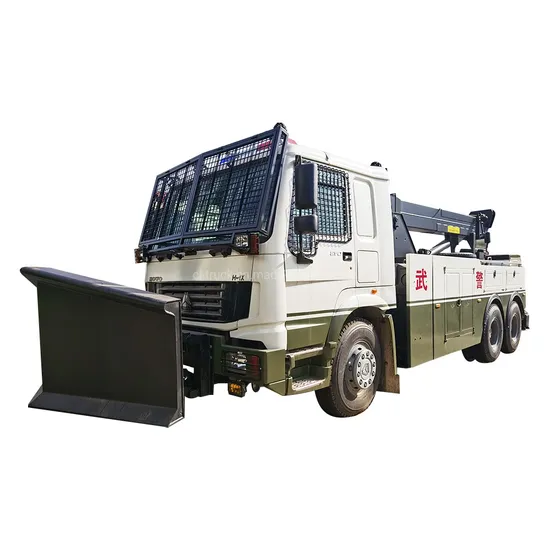
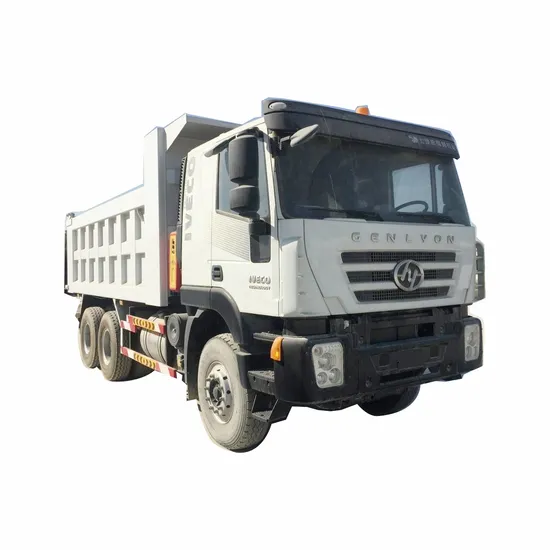
For haulage on rough ground consider the Hongyan Genlyon 6x4 dump truck. For recovery, see the HOWO 6x4 heavy duty tow wrecker and the Hongyan 20t wrecker with dual winch. You can also browse all dump trucks.
To ask for a quotation, please contact us or message us on WhatsApp.