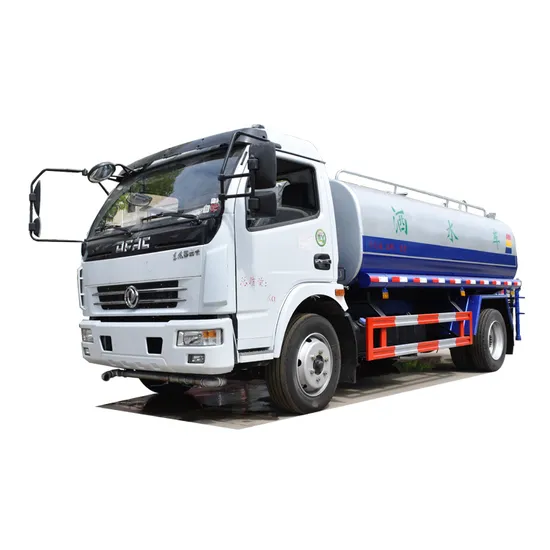
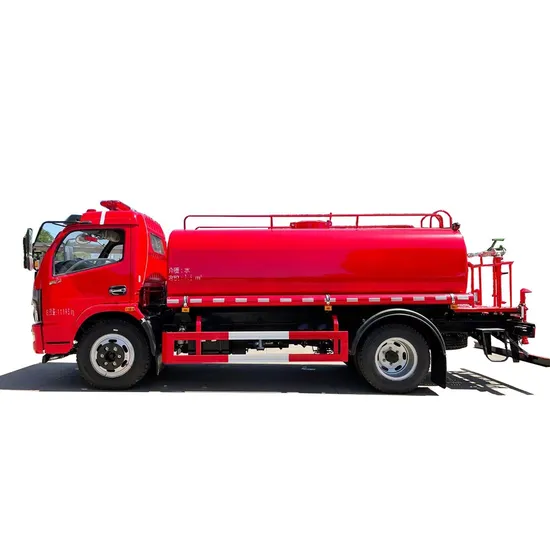
Water truck dust suppression vs road washing is a comparison of tasks before it is a comparison of vehicles. Road washing aims to move unwanted material from a surface through an organised cleaning process. Dust suppression aims to reduce dust release or movement at the selected source or area. Both use water, but they can require different outlet positions, spray patterns and support arrangements.
Describe the result required on the road
For washing, identify the surface, the material to be removed and where the displaced water and debris will go. State whether the work involves a broad paved lane, a kerbside section or a local cleaning point. Water application alone does not provide debris collection.
The Dongfeng Tianjin Kingrun cleaning truck describes a CLWSP001 water cannon with adjustable patterns, together with a separate fog-cannon arrangement. For a cleaning enquiry, identify the desired water application and outlet position rather than requesting every available function without a defined purpose.
Describe where dust is being generated
For a dust-control task, distinguish a traffic surface from a local material-handling area. Mark the source, available vehicle positions and required coverage. Include the site's observed wind exposure and access restrictions in the equipment brief.
The Kingrun example's X-60A fog-cannon description belongs to a different application arrangement from its water cannon. A listed static-wind reach should not be converted into a guaranteed result across every site. The buyer's target area and operating conditions remain essential inputs.
Match the task to outlet and coverage information
| Task | Water-application requirement | Equipment information to request |
|---|---|---|
| Paved-road washing | Water directed at the intended surface | Outlet position, selected pattern and working arrangement |
| Traffic-surface wetting | Coverage along the vehicle's route | Sprinkler layout and stated watering width |
| Local cleaning | Directed application at a particular area | Selected water-cannon or hose arrangement |
| Targeted dust suppression | Application related to the dust source | Selected fog or spray equipment and its stated conditions |
The Dongfeng 4×2 water spray truck detailed table lists a watering-width entry and a separate water-cannon covering range. Keep these functions separate in the enquiry: a broad sprinkling task and directed cannon work are not described by the same coverage field.
Choose the tank as part of the support arrangement
The Dongfeng water bowser offering provides another tank-and-spray configuration to discuss. Its detailed equipment block lists tank material options and a tank-capacity entry. Select the actual tank version alongside the intended water application, rather than using tank volume alone to define the truck's role.
Identify the water source, refill access and water characteristics required by the selected equipment. For washing, include the site's runoff and debris-handling arrangements. For dust-control work, include the locations where water application is intended and the working area available to the vehicle.
Send a task-focused enquiry
For municipal and construction buyers, state the target result, application location, coverage area and water-source arrangement in one brief. The supplier can then match the tank, outlets and spray equipment to the job. This keeps road washing and dust suppression distinct while allowing a genuinely multifunctional configuration to be specified where the project needs both.