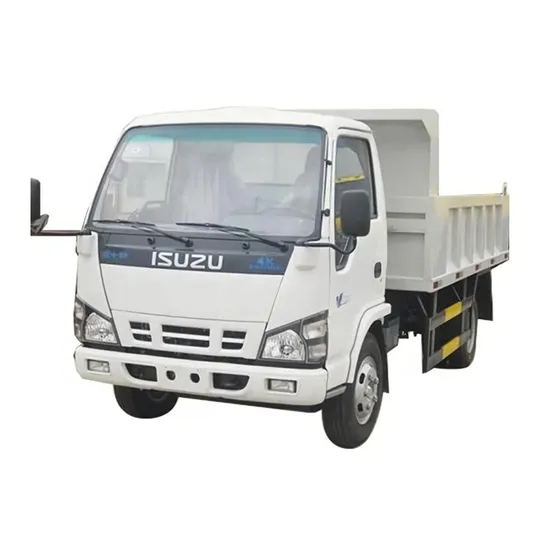
Many buyers search for a Hino, Fuso or Isuzu truck because they want a light or medium chassis that can carry a tipper, tank, crane, refrigerated box or other body. This page is a neutral checklist for comparing such trucks. It says nothing about how any brand performs. We do not sell or service Hino or Fuso, and we are not a dealer or service centre for any of these brands. The names are used only to identify what you searched for. Where one of our own product pages carries an Isuzu name, it is a special-purpose truck we build and quote ourselves, and you should read the chassis line on that page.
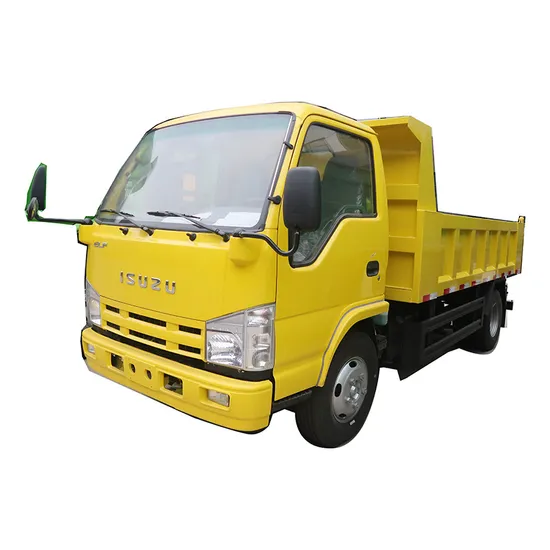
Start with the body you need
With light and medium trucks, the body often decides the purchase. Choose the body first and the chassis second.
- Tipper: for sand, stone, soil and waste on building sites. See our tipper (dump) trucks.
- Water or fuel tanker: a bowser for water supply, or a fuel truck for delivery. See water tank trucks and fuel trucks.
- Crane truck: a lorry with a mounted crane for loading and site work. See crane trucks.
- Refrigerated truck: a reefer box for food or medicine. See refrigerated trucks.
- Garbage truck: a compactor or other refuse body. See compactor garbage trucks.
Our guide 5, 10, 20 and 30 ton trucks: which size do you need helps you set the load class before you look at models.
What to compare on the chassis
- Payload and gross weight: add the body weight to the cargo weight and check the total against the chassis rating. A heavy body such as a tank or crane takes payload.
- Engine class and power: ask for the engine make, rated power and emission standard.
- Axle configuration: most light and medium trucks are 4x2; heavier ones use 6x2 or 6x4. See what 4x2, 6x4 and 8x4 mean.
- Gearbox: number of speeds, and whether the body needs a power take-off for a pump, crane or hydraulic tipping.
- Cab: single or double cab, and the crew you need on the job.
- Wheelbase and frame: the body maker needs the wheelbase and rear overhang to fit a tank, crane or box correctly.
What to compare on the body
- Tipper: body volume, plate thickness, the lifting system and rear or three-way tipping.
- Tank: volume, material, baffles, pump and outlet fittings.
- Crane: rated lifting moment, boom type and outriggers, and the chassis strength needed.
- Reefer: box size, insulation and the cooling unit, and the power source it uses.
Ask the body builder to state which parts they make and which they buy in. If a body is fitted by one company on a chassis from another, ask who answers a warranty question for each part.
Parts, service and documents
Light and medium trucks work hard and often work in towns, so repair time matters. Ask where the nearest workshop is and who can service the body equipment such as the pump, crane or cooling unit. Check parts supply with the seller and the workshop directly; we make no statement about the parts network or prices of other brands.
Prepare the commercial invoice, packing list, bill of lading and certificates your registration office asks for. Check the emission standard required for imported trucks with your clearing agent and the national standards body, because rules change. Our Euro emission standards explained guide covers the numbers. We build left-hand drive as standard and right-hand drive on request for all trucks; see drive side by country.
Chinese-built and Isuzu-named trucks we can quote
Chinese-built chassis are widely used across Africa for light and medium work. We say that in general terms and do not claim any of our trucks equals or beats another make.
Light and medium tippers
- Isuzu 100P 4x2 Small Tipper Truck 2-3t Euro 5
- Isuzu 4x2 Dumper Truck 98HP
- Dongfeng Dump Truck 10-15t with Cummins Engine
- Foton 4x2 Small Hydraulic Tipper Truck 100HP
- Dongfeng 4x2 Diesel Dump Truck 5t Euro 2
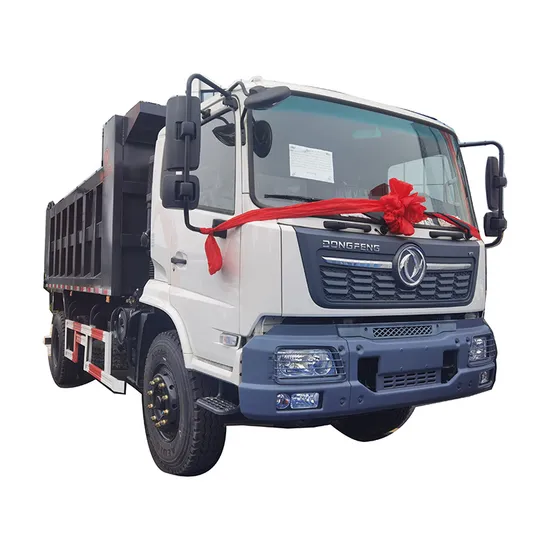
Read more on the Isuzu ELF, Isuzu FTR, FVR and FVZ, Foton Aumark and Dongfeng pages, and in the guides Isuzu trucks range and Foton light and medium models. For heavier work, see the HOWO range guide and the Shacman range.
Comparison checklist for any quotation
| What to compare | Why it matters | Where to look in a quotation |
|---|---|---|
| Payload and gross weight | The body takes part of the payload, so the total must stay within the chassis rating | Weight lines of the specification |
| Engine power and emission standard | The engine must suit your load and roads, and the rules of the destination | Engine lines of the specification |
| Wheelbase and body fit | The body maker needs the right frame length for a tank, crane or box | Dimension lines and the body drawing |
| Tyres and spare wheel | Tyre size and count affect running cost on rough roads | Tyre line and the list of standard equipment |
| Parts and service | They decide how long the truck stands idle after a fault | Spare-parts offer, warranty terms and workshop details in writing |
| Documents and delivery terms | Needed for clearance and registration | Document list, price terms and the port named |
Questions to ask any supplier
- Is the quotation for the exact configuration, with the specification attached?
- Which parts does the body builder make, and which are bought in?
- Who do I contact if there is a problem after delivery?
- What are the payment steps and the delivery terms?
- Can you send photos or a video of the actual truck before shipping?
What to send us for a quotation
- The body type and its size, volume or lifting capacity.
- The payload and the roads it will use.
- Engine power, axle layout and emission standard.
- Left-hand or right-hand drive.
- Quantity, destination port and documents needed.
Use the inquiry form on this page or on any product page, and we will reply with a quotation for your configuration.