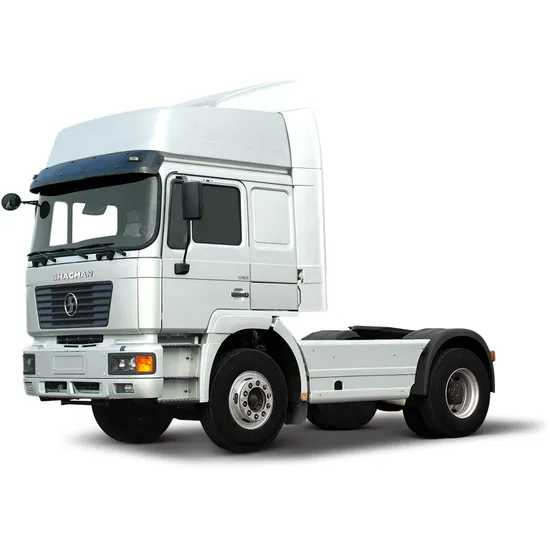
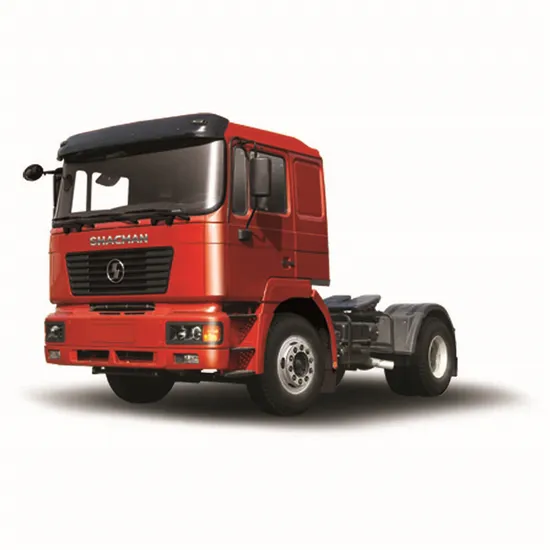
The two numbers describe a truck's wheel positions and how many of them are driven. A 6x4 has six wheel positions with four powered. A 4x2 has four positions with two powered, and an 8x4 has eight positions with four powered. A pair of dual tyres counts as one position, not two.
How to count the numbers
Count wheel ends along the axles, not individual tyres. A rear axle with dual tyres at each end still gives two positions. The first number is the total of positions, and the second is the number that receive power from the engine.
| Layout | Axles | Driven | Where it is usually seen |
|---|---|---|---|
| 4x2 | 2 | Rear axle | Light and medium trucks, solo tractor heads |
| 6x4 | 3 | Both rear axles | Heavy tippers, tractor heads for heavier trailers |
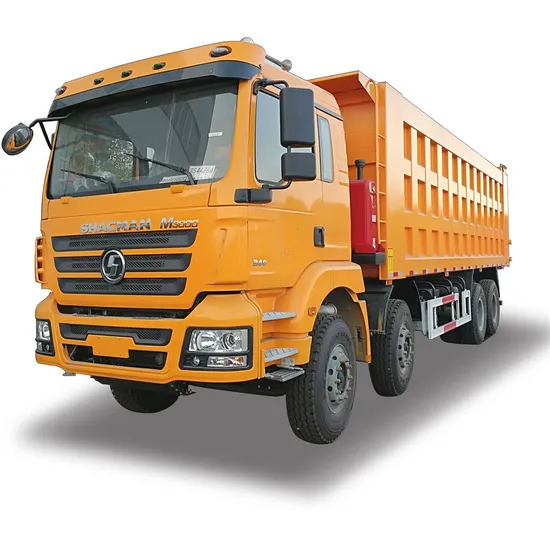
| 8x4 | 4 | Both rear axles | Heavy dump trucks and similar bodies |
| 6x6 | 3 | All axles | Soft or rough ground |
What the extra axles give you
More axles spread the load over more road surface and allow a higher gross weight. More driven axles add traction on slippery or soft ground, but they also add cost, weight, tyre wear and fuel use. Steering changes as well: an 8x4 normally has two steering axles at the front, which makes the wheelbase longer and the turning circle usually wider than on a 4x2.
Reading the layouts in our listings
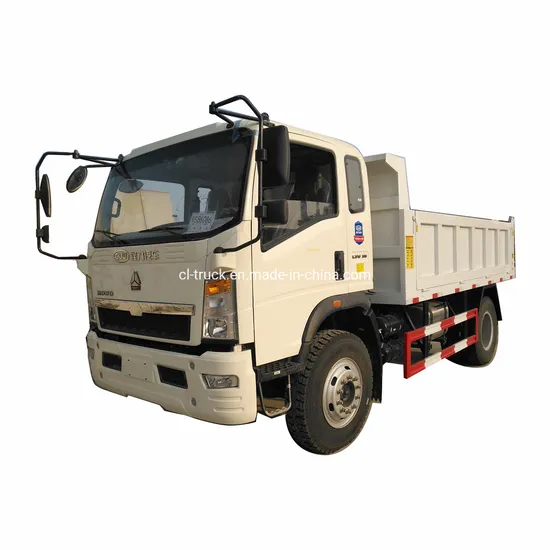
The same pattern shows up across real models. The HOWO 4x2 Tipper Dump Truck 5-8t Euro 4 is a 4x2 with 150-250hp. The HOWO 6x4 Heavy Tipper Truck 21-30t Euro 2 is a 6x4 with 251-350hp, and the Shacman 8x4 Dump Truck 31-40t is an 8x4 listed at 10329 x 2490 x 3450 mm. Tractor heads follow the same logic. The Shacman F2000 4x2 Tractor Truck Euro 2 lists a related weight of 36000 kg and a curb weight of 7300 kg, while the Shacman 6x4 Tractor Truck 31-40t Euro 2 lists 40000 kg and 9400 kg. See the full dump trucks and tractor heads categories, or go straight to dump trucks for sale and tractor heads for sale.
How to choose a layout
- Start with the load. The heaviest loads call for more axles.
- Look at the ground. Paved roads suit 4x2 and 6x4, while soft ground or steep tracks may justify more driven axles.
- Check the rules. Axle layouts and axle weights are regulated, so follow the rules that apply where the truck will operate.
- Confirm the layout in writing. Some model names list several layouts together, so ask which one the quotation covers.
Frequently asked questions
What is the difference between 6x4 and 6x6?
Both have six wheel positions. A 6x4 drives four of them, normally the two rear axles, while a 6x6 drives all six, including the front axle. The 6x6 gives more traction off the road but costs more and uses more fuel.
Is 8x4 better than 6x4?
Neither is better in general. An 8x4 suits heavier loads because the weight is spread over four axles, while a 6x4 is lighter, cheaper and easier to manoeuvre. Choose by the load you carry and the rules where the truck will operate.
Does the first number count tyres?
No, it counts wheel positions, not tyres. A pair of dual tyres on one side of an axle is one position, so a 6x4 with dual rear tyres has more than six tyres in total.