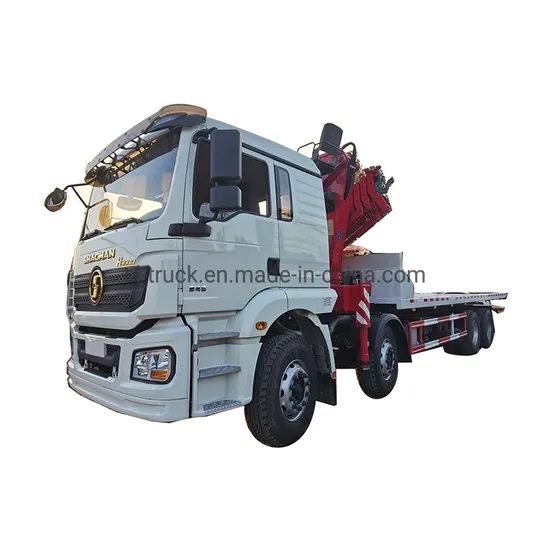
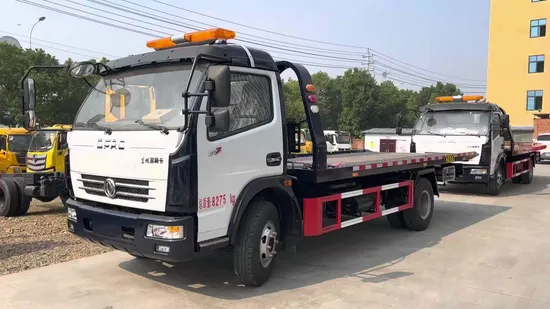
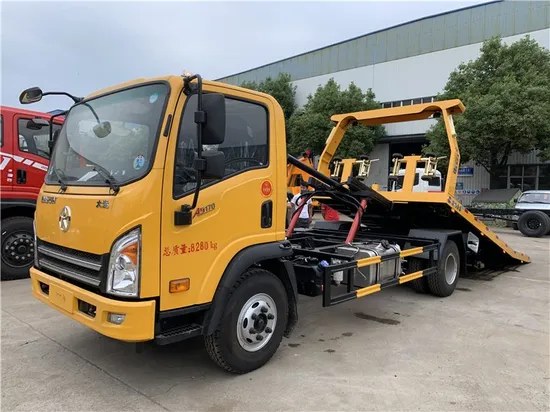
The Shacman 8x4 Flatbed Wrecker Crane Truck Euro 5 is a heavy-duty diesel recovery truck that combines a crane with a wrecker body for lifting and moving disabled vehicles. It meets the Euro 5 emission standard, has a manual transmission with power steering, air brake and ABS, and is built as a left-hand drive truck. Right-hand drive is available on request.
It is designed for recovery companies, highway rescue teams, bus and truck fleets, and industrial sites that must clear heavy vehicles after breakdowns or accidents. Customisation is available, and body colour can follow your requirements, so the truck can match the rest of your fleet.
How the wrecker and crane work
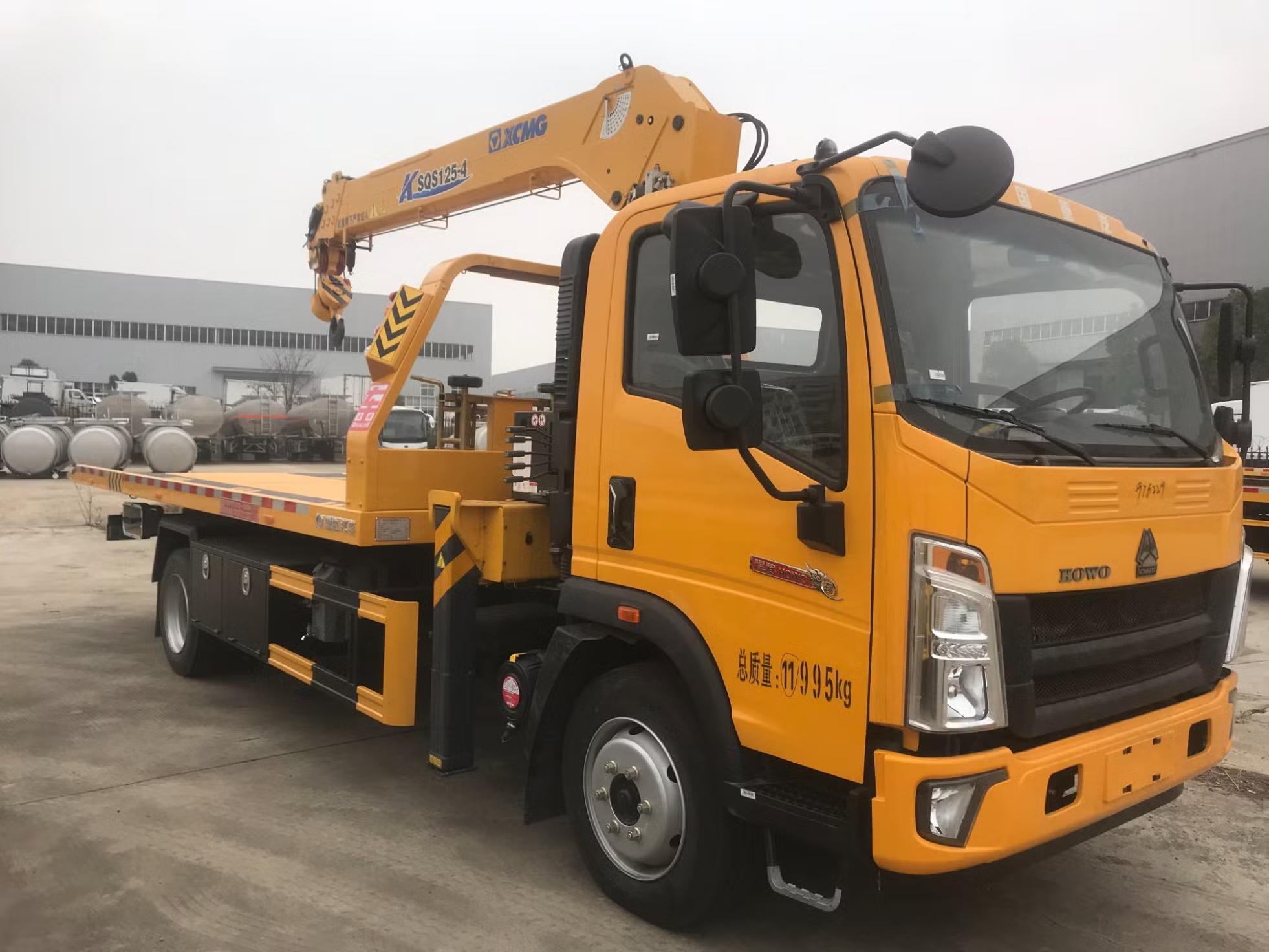
The wrecker body is lifted on the chassis and works with a crane arrangement that has a lifting capacity of 20 tons. The crane raises a casualty so the front or rear can be towed, or lifts it from a ditch or embankment on to the road for recovery.
Before any lift the crew sets up in a stable position, deploys the supports and checks the ground. They then connect the lifting gear to proper points on the casualty, raise it slowly and keep bystanders clear. Planning the lift before the crane moves is the main safety measure.
Chassis and braking
The heavy-duty chassis uses a manual transmission, power steering and air brake, with ABS fitted to help control braking when the truck is loaded. Fuel is diesel. A heavy recovery vehicle often works on wet roads or slopes, so braking confidence is important for the crew and for nearby traffic.
Axle arrangement, wheelbase, tyre size, gearbox gears, gross vehicle mass and overall dimensions depend on the final configuration and are confirmed in the quotation. We prefer to set out these figures once your requirements are agreed, so that each one matches the equipment you choose.
Working with the truck
Daily checks should include tyre condition, brake air pressure, hydraulic and engine fluid levels, and the state of lifting gear and chains. After use, wash off mud and salt, grease the moving parts and inspect any damaged chains or straps. A written check sheet helps every driver follow the same routine.
Recovery work is stressful, so train crews to take time. Assess the casualty, agree the lift plan, use spotters when reversing, and never stand under a raised load. Keeping to the rated lifting capacity matters more than speed and protects the people, the truck and the vehicle being recovered.
What to confirm before ordering
Please confirm the drive side, the emission standard, the heaviest vehicle you intend to lift or tow, and the towing arrangement you need. The towing rating and the main dimensions depend on the configuration and are confirmed in the quotation, so give us the weight of your largest casualty.
Also tell us the colour, the lettering and warning markings, and any extra equipment such as lighting or storage for chains and tools. With these details our team can prepare a single, clear specification and avoid changes after the order has been agreed.
Request a current quotation for your selected configuration, quantity and delivery terms.