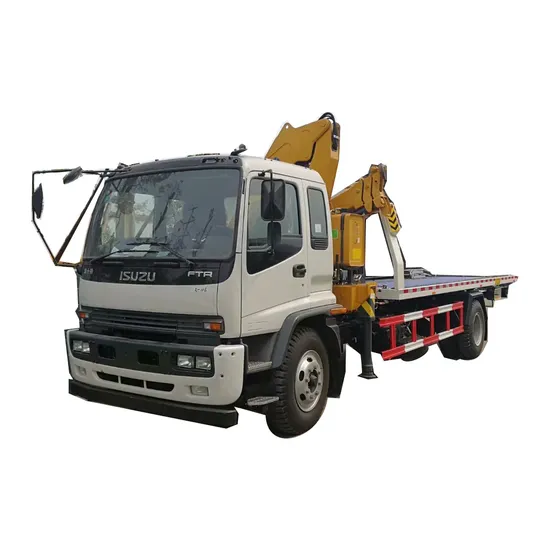
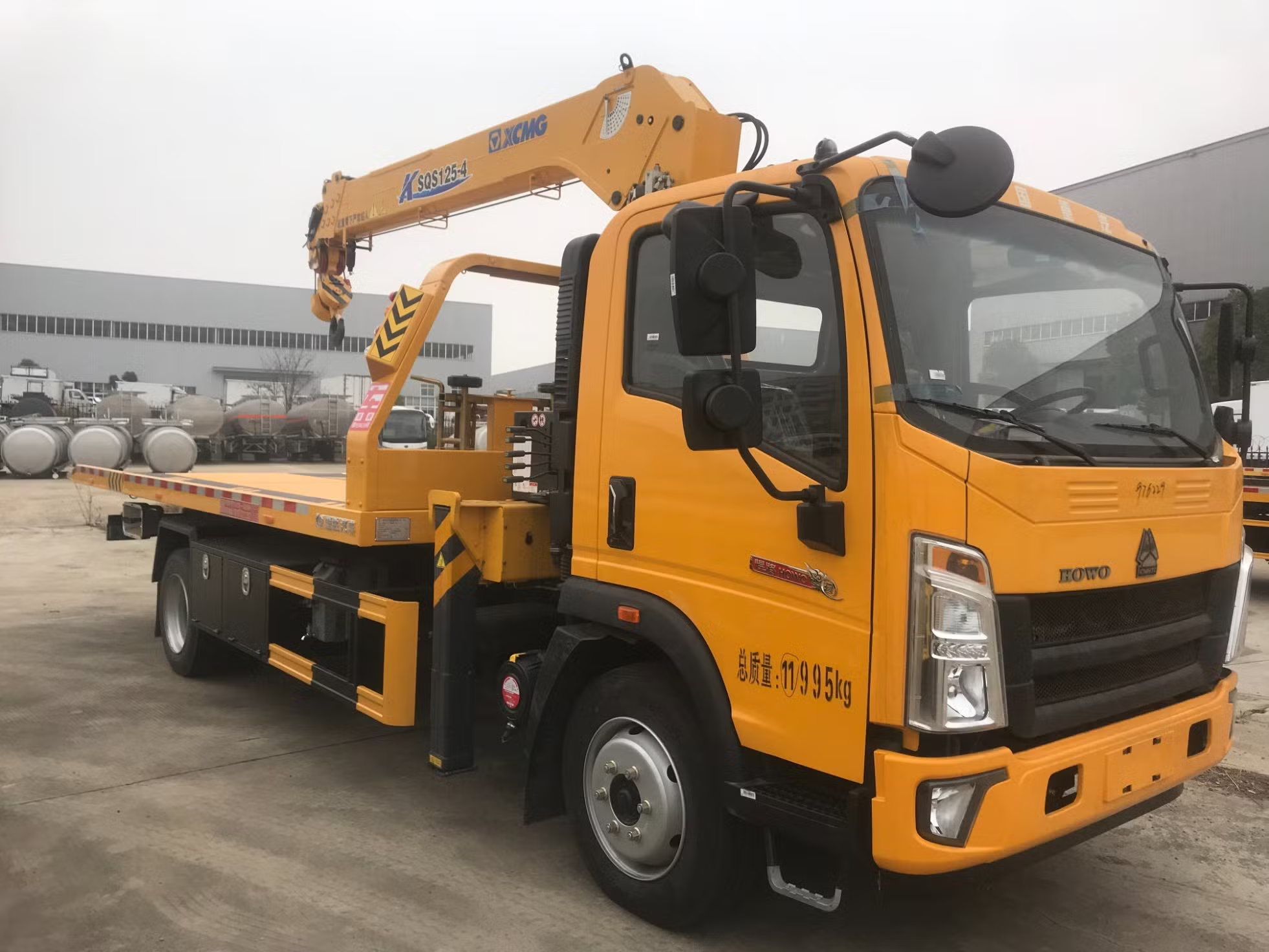
The Isuzu FTR 4x2 Wrecker Tow Truck 6-8t with Folding Crane is a diesel recovery truck on a two-wheel-drive chassis, with a manual gearbox and a folding arm crane. It is built to the Euro 2 emission level and is meant for medium-duty recovery work, between light pickup-style wreckers and the heavy rotating crane trucks.
It suits towing companies, workshops, municipal teams and contractors who need to lift and move vehicles of moderate weight. A folding crane keeps the stowed profile compact, so the truck can travel and park more easily when it is not recovering a vehicle. Our team can adjust colour and equipment to your needs.
Matching the truck to your job
This model fits the middle of the recovery range. A light wrecker may be too small for vans, delivery trucks and loaded pickups, while a heavy rotator is more machine than many operators need. The 6 to 8 ton class in the name points to this middle position, with the exact rating confirmed in the quotation.
Think about the vehicles you handle most often, their weight, length and condition, and the places you work. Narrow service roads and car parks favour a compact truck, while long-distance rescue calls favour comfort and reliable running gear. Describing your routine to us helps us suggest the right setup.
Body and equipment
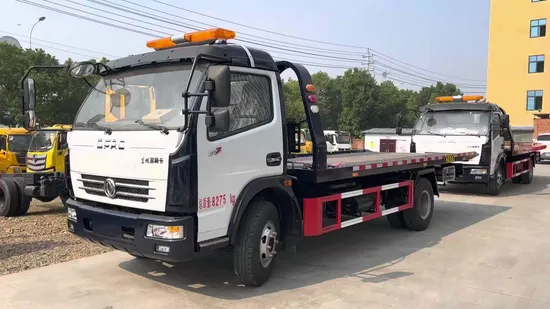
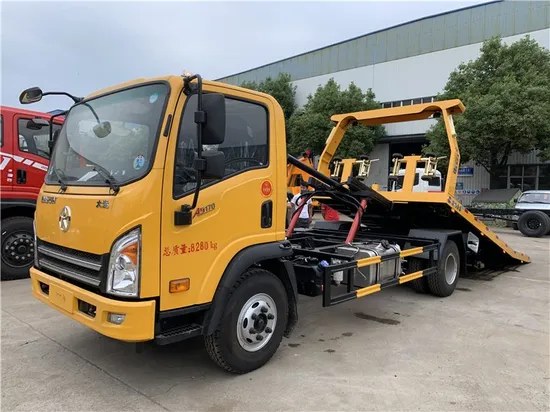
The truck has a flat bed measuring 5600 × 2300 mm, a 4 ton winch, and a folding arm crane. Overall dimensions are 7420 × 2300 × 2540 mm. With a flat bed, a damaged vehicle can be carried instead of towed, which is gentler on a casualty with steering or transmission damage.
A folding arm crane is useful for lifting a vehicle end, moving a wheel set, or helping position a load. Its reach and lifting rating depend on the configuration and are confirmed in the quotation. Always keep the arm low while driving and secure all moving parts before leaving the scene.
Maintenance and daily checks
Recovery trucks work in dirty, wet and sometimes unsafe places, so a simple routine pays off. At the start of a shift, check the engine oil, coolant, tyre pressures and the condition of the winch rope. Test the crane movements with no load before the first call of the day.
After work, wash off mud and salt, grease the pivots according to the maintenance schedule and check the hydraulic fittings for leaks. Keep the rope dry and spooled evenly, and replace it if strands are broken. A logbook of inspections helps you spot wear before it causes downtime.
What to confirm before ordering
Please confirm the towing capacity, the crane rating, the chassis details and the engine power with us, as these depend on the configuration and are stated in the quotation. Tell us the heaviest vehicle you plan to lift or carry so that we can match the equipment.
Also confirm the drive side, the emission standard needed where the truck will run, the colour and any optional equipment such as lights, tool boxes or straps. Customisation is available, and settling these points early keeps the final specification accurate and simple to review.
Request a current quotation for your selected configuration, quantity and delivery terms.