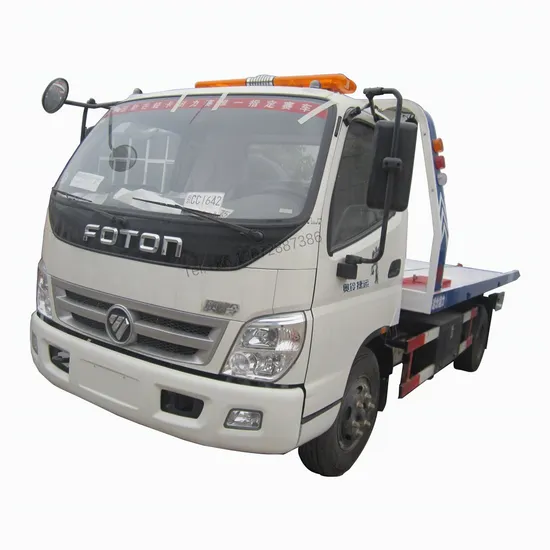
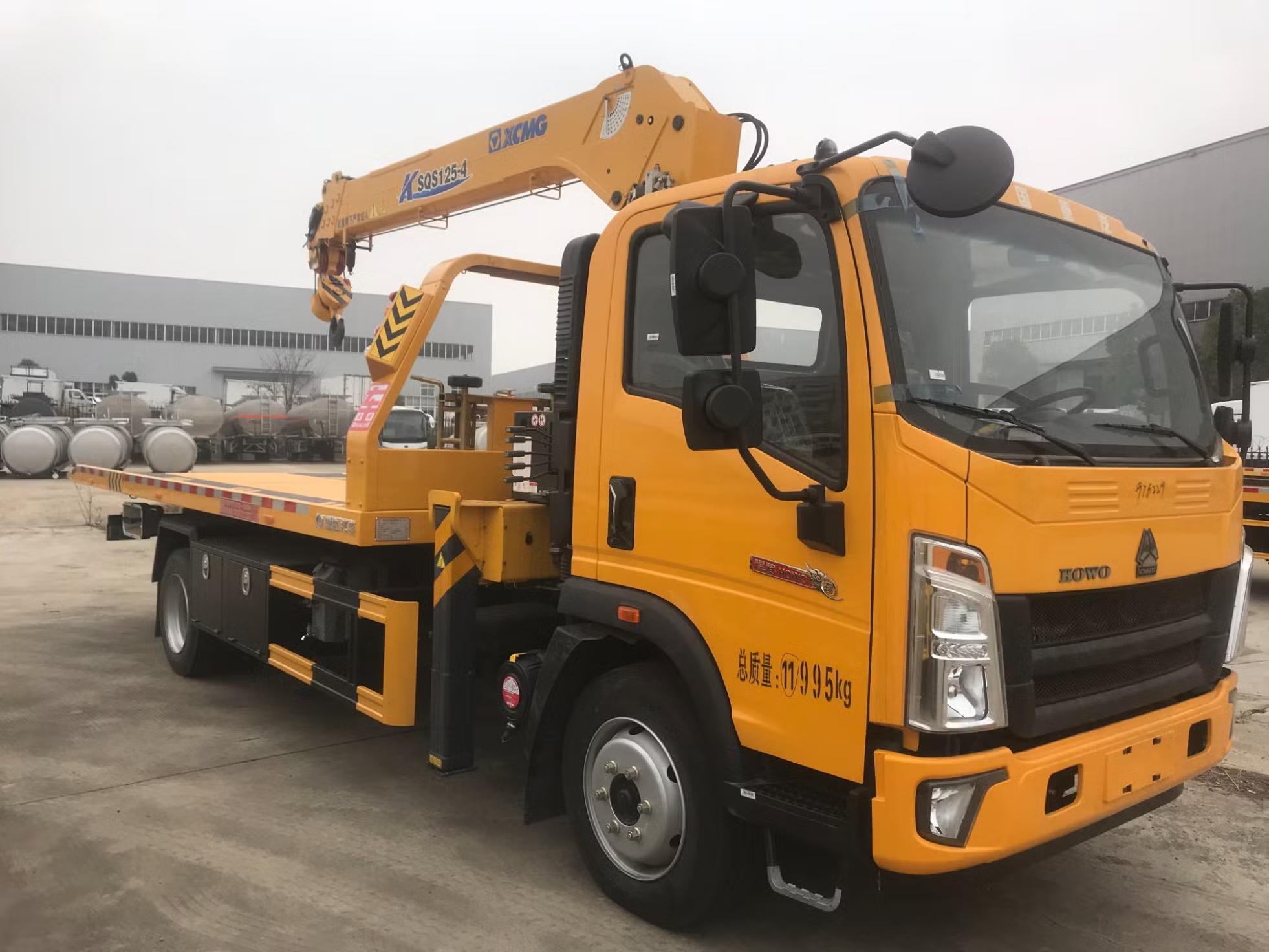
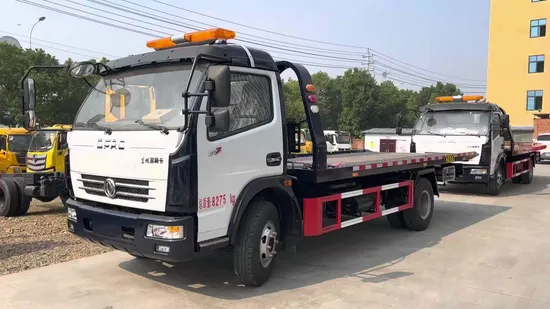
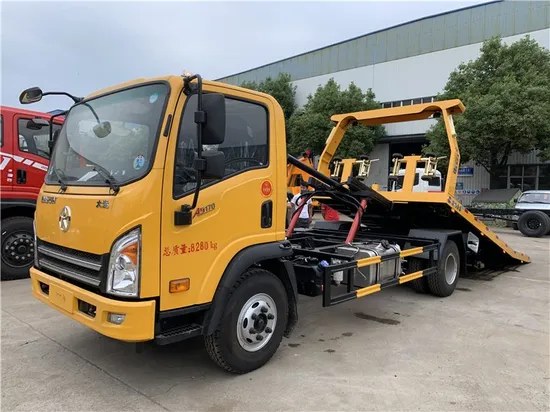
The Foton Aoling Tilt Tray Wrecker Tow Truck 3-6t Euro 4 is a flatbed recovery truck built on a Foton Aoling chassis with a 4×2 drive layout and left-hand drive. A tilting tray lets a disabled vehicle be pulled or driven onto the bed and carried instead of dragged, and a hydraulic winch assists the loading.
It suits tow operators, roadside assistance teams, workshops and fleet yards that need to move broken-down cars, vans and light trucks. It is available in 3, 4 and 6 ton versions, so the rating can be matched to the vehicles you handle most. The engine, six-speed manual gearbox and air brakes keep the driving side simple. Right-hand drive is available on request.
Matching the truck to your job
Choosing the tonnage version starts with your heaviest regular job, not your average one. A yard that mostly moves passenger cars needs a different rating from a recovery team that regularly collects loaded vans. Tell us the vehicles, their weights and how they are usually damaged, and we will help you pick the version that fits.
The tilt tray has a flat bed of 5,600 × 2,300 mm. A tray carries the whole vehicle clear of the road, which suits cars with damaged steering, seized brakes or a low front end. The exact tray equipment and rating for the version you choose are confirmed in the quotation.
Chassis, engine and drivetrain
The chassis has a gross vehicle weight of 7,495 kg and a curb weight of 5,000 kg, with a wheelbase of 3,800 mm. The front axle is rated at 2.2 tons and the rear axle at 5 tons. Six tyres of size 8.25R16 are fitted and one spare is carried. Maximum speed is 90 km/h.
The engine is model EISF3.8s4R154, a four-stroke, water-cooled straight-four with a displacement of 3.76 L and a maximum output of 115 kW. It drives a six-speed manual gearbox with six forward gears and one reverse. Power steering and an air brake system are standard, which helps when the truck is positioned tightly beside a damaged vehicle.
Winch and recovery equipment
The truck has a hydraulic capstan winch rated at 4 tons, with a steel wire rope of 21 m and a winch speed of 8 m/min. At that speed the vehicle moves slowly and under control, which gives the operator time to watch the alignment of the wheels with the tray and correct it before the load climbs.
The body also carries a tool box, an alarm lamp and two auxiliary small wheels, plus four straps. Park on level ground, apply the brakes, and keep bystanders clear of the wire rope while the winch runs. Inspect the rope before every shift for broken strands, because it takes the load of every vehicle you recover.
Cab and daily checks
The cab has air conditioning and an audio system as standard. These are modest comforts, but a recovery driver may wait for long periods at an incident, so a comfortable cab matters. The overall dimensions are about 7,300 mm in length and 2,320 mm in height, which should be checked against gates, depots and low structures on your regular routes.
Daily checks should cover engine oil and coolant, air brake pressure, tyre condition including the spare, the tray hinges and the hydraulic hoses. Run the winch briefly without a load to confirm it pays out and pulls in smoothly, and test the alarm lamp. Report any hydraulic leak straight away rather than topping up and carrying on.
What to confirm before ordering
Please confirm the tonnage version you need: 3, 4 or 6 tons. Also confirm the drive side, with left-hand drive standard and right-hand drive on request, and the emission standard that applies on your roads. The engine output, towing rating and tray capacity for your chosen version are confirmed in the quotation.
Ask about colour, which is made to your requirement, and any additional equipment you want on the body. Send us the lengths and weights of the vehicles you plan to carry, and we will check that the tray, winch and axle ratings suit them before the order is placed.
Request a current quotation for your selected configuration, quantity and delivery terms.