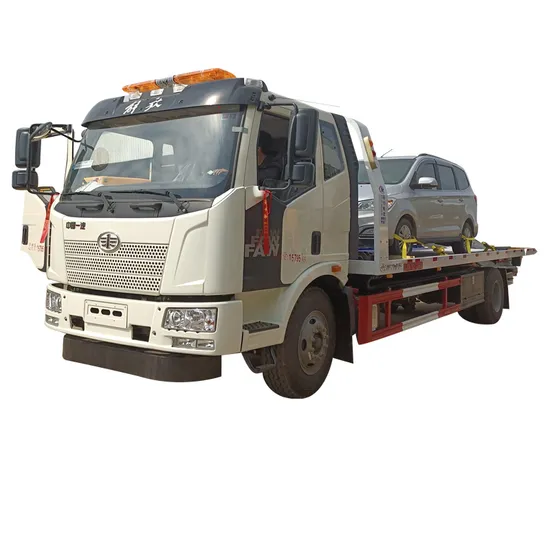
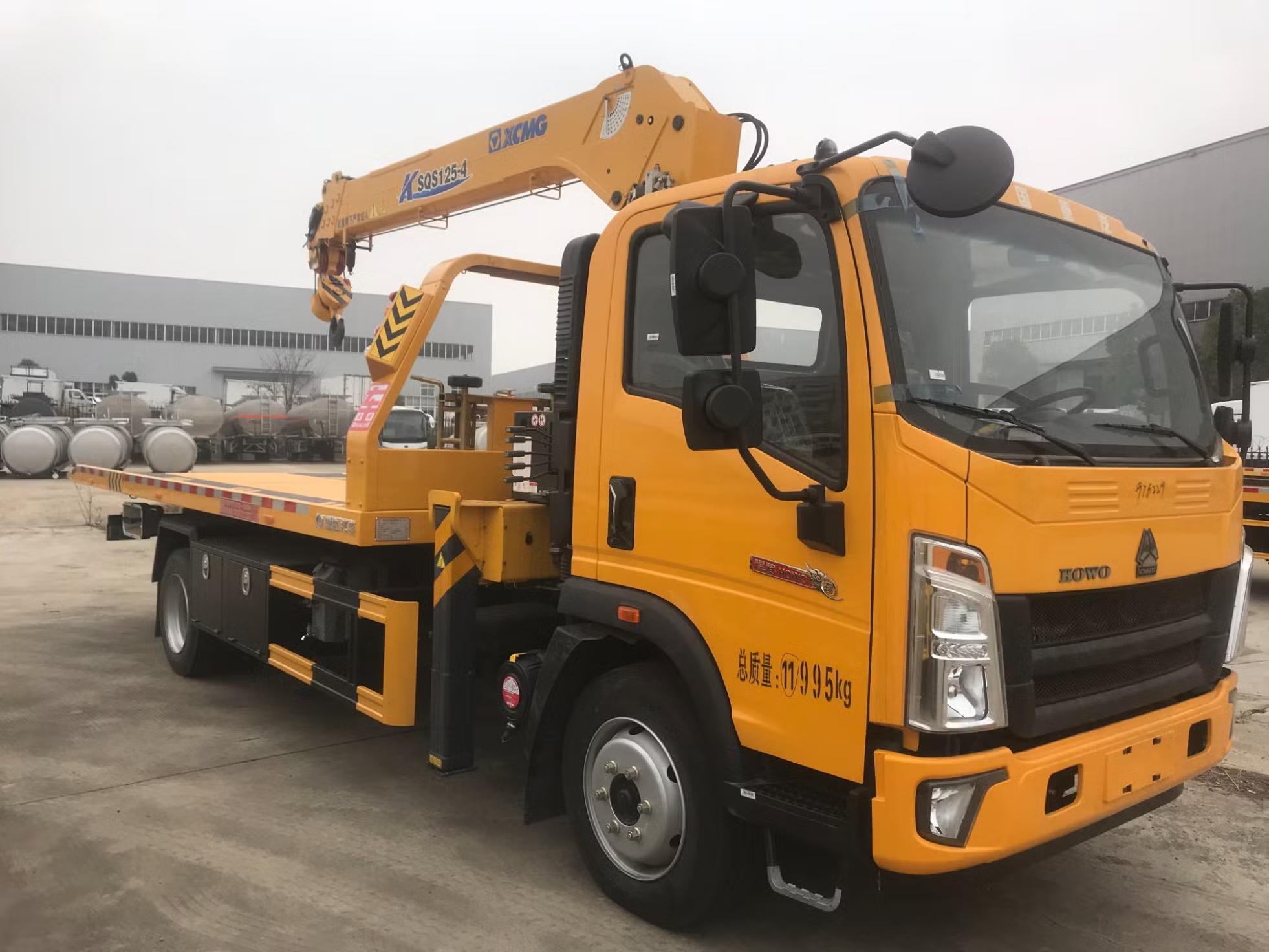
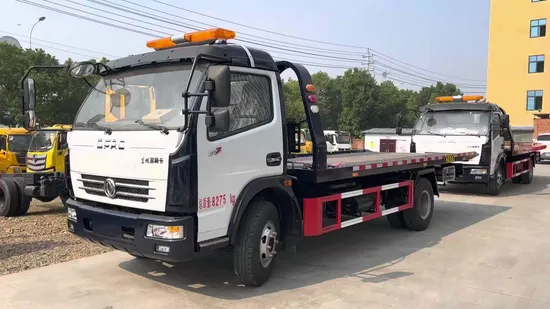
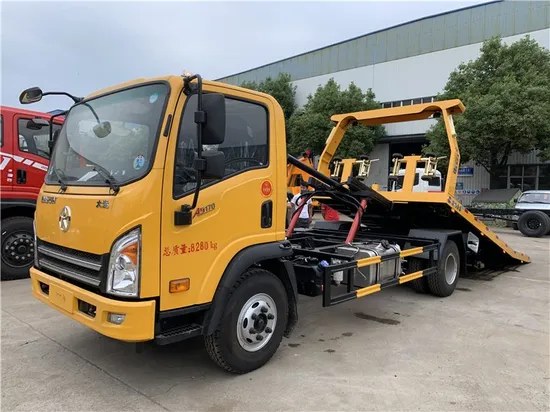
The FAW 4x2 Tray Tow Truck with Under Wheel Lift 6t is a two-axle recovery truck on FAW chassis model CA1081SJ35D6, supplied under truck model CLW5160TQZDT4. It combines a tray, which carries a vehicle on its deck, with an under wheel lift that raises a casualty by its wheels so it can be towed. We offer it to fleets and towing firms.
Having both a tray and an under wheel lift gives the operator a choice. Damaged cars can be loaded onto the tray, while vehicles that are parked incorrectly or need a short move can be lifted by the wheels and towed. This flexibility suits parking operators, garages, enforcement contractors and general roadside recovery.
Typical working routines
In a busy street, speed and tidiness matter. The under wheel lift allows a quick hook-up to move a vehicle from a restricted bay, with little need for anyone to work underneath. For a car that cannot be towed on its own wheels, the tray is the safer choice because the whole vehicle rides on the deck.
Operators should match the method to the casualty. Check the vehicle weight, the steering and brake condition and the slope of the ground before choosing. The lifting rating in the model name is a guide only; the exact working figure depends on the configuration and is confirmed in the quotation, so please state your heaviest regular casualty.
Chassis, engine and drivetrain
The chassis is FAW CA1081SJ35D6 with a 4700 mm wheelbase, a manual gearbox and a diesel engine, model CA4DF3, of 5900 ml displacement. Emissions are Euro 4. A maximum speed of 85 km/h is stated, which suits recovery runs between the scene and the yard without pushing the engine hard.
The truck runs on 9.00-20 tyres, with six fitted and one spare. In a 4×2 layout the rear axle drives and the front axle steers, which keeps the drivetrain simple and maintenance straightforward. The load rating of the tyres and axles should be reviewed against the casualties you plan to carry.
Tray and lift configuration
Tray length, deck angle, lift arm reach and winch pull all depend on the configuration, so we confirm them in the quotation rather than quoting a generic figure. Ask for these items in writing and compare them with the vehicles you carry, since a few centimetres of deck length can decide whether a van fits.
Maintenance is routine for this type of equipment. Inspect hoses and fittings, lubricate moving joints as the maker advises, check the tray locking points and keep the wheel-lift pads clean. Test the lights and controls at the start of each shift, so a fault is found in the yard rather than at the roadside.
What to confirm before ordering
Confirm the lifting rating you need, as the working figure depends on the configuration and is confirmed in the quotation. Confirm the steering side, the emission standard required for your registration, the overall dimensions and the weight limits on the roads you will drive. Each of these affects how the truck is set up.
Tell us which vehicles you will lift or carry, how often, and over what distances. Mention whether you need a winch, lights or storage boxes in addition to the lift and tray. A clear list lets our team choose a fitting configuration and confirm every optional item in the quotation, rather than leaving it to assumption.
Request a current quotation for your selected configuration, quantity and delivery terms.