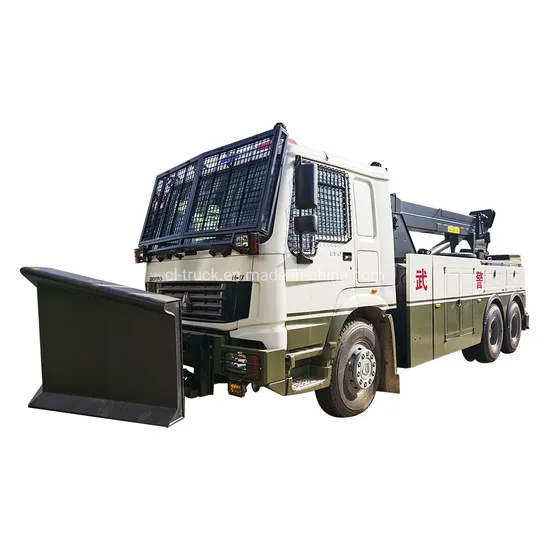
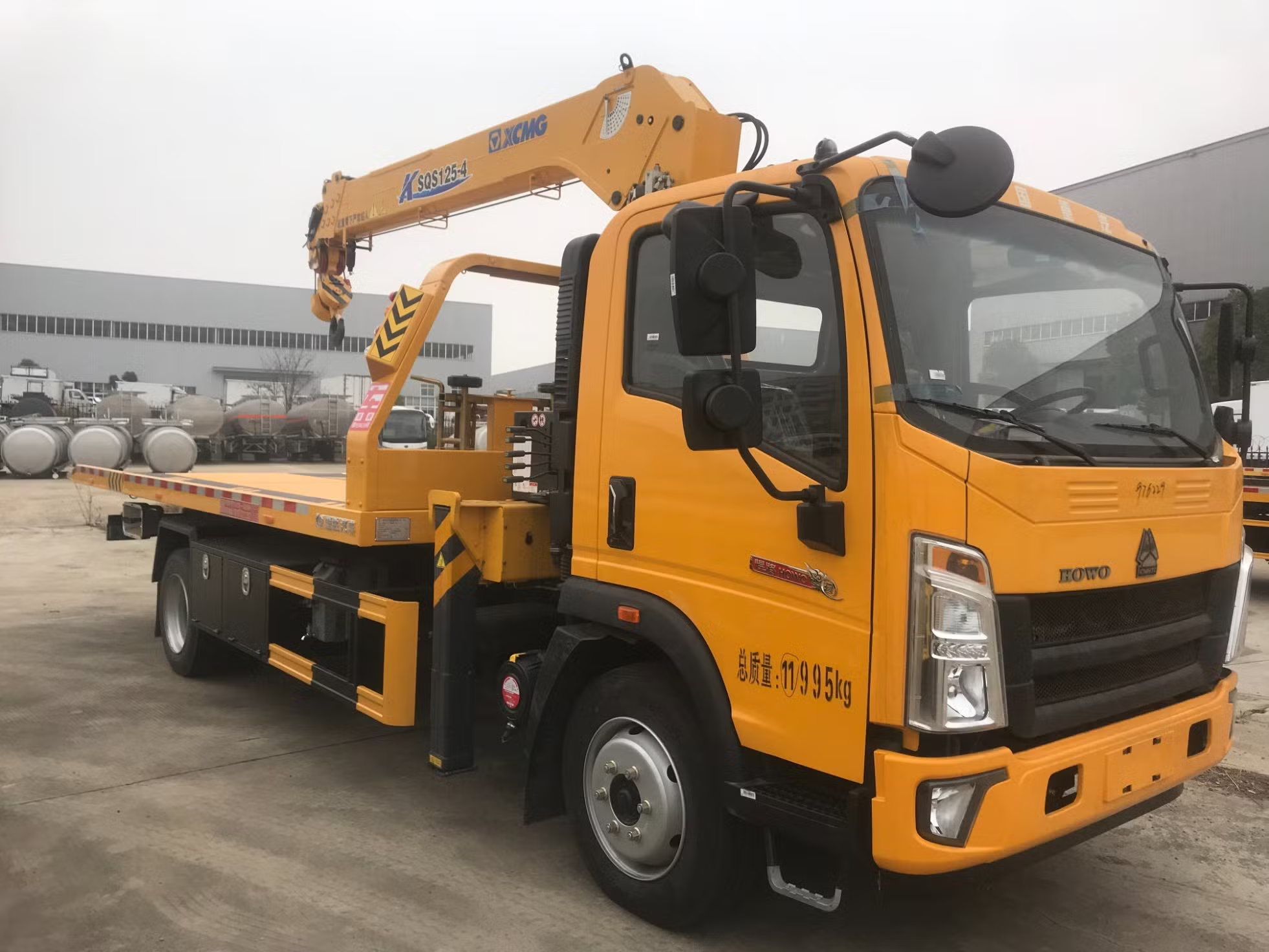
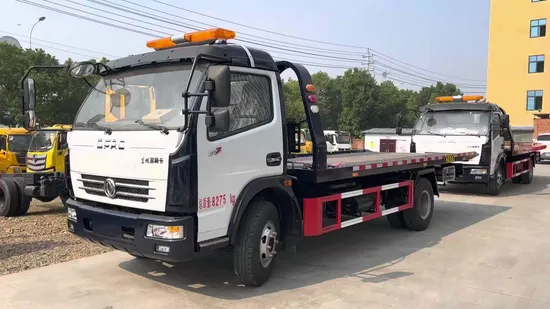
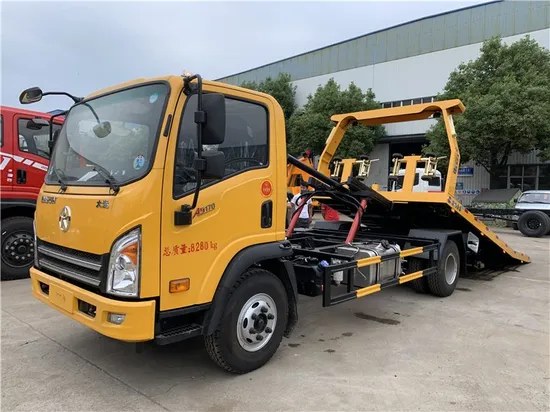
The Dongfeng 6x4 Wrecker Truck Euro 2 Manual is a heavy-duty recovery vehicle built to lift, winch and tow disabled trucks, buses and other large vehicles. A diesel engine and manual gearbox drive the chassis, while a hydraulic crane, a rear lifting arm and a winch handle the recovery work from one cab-controlled platform.
It suits towing operators, highway rescue teams, fleet workshops and quarry or depot managers who need one vehicle that can lift a casualty, pull it clear and carry it away. A rated towing tonnage of 30 tons gives a useful margin for heavy trucks and loaded trailers.
Where this truck is used
Typical jobs include clearing breakdowns on busy roads, recovering vehicles that have left the carriageway, and moving damaged trucks from accident scenes to a yard. The 360-degree rotation of the crane means the operator can position the boom around an obstacle instead of repositioning the whole truck.
Fleet owners also use a wrecker inside their own depot to shift immobile vehicles, lift axles for tyre or suspension work and free machines stuck in soft ground. Because the winch and lifting arm are separate, one operator can pull a vehicle onto firm ground first and lift it afterwards.
Recovery equipment
The crane has a maximum lifting weight of 10 tons, the rear lifting arm is rated for 12 tons and the winch has a 15-ton rating. These three tools cover different tasks: the crane for lifting and placing, the rear arm for underlift towing and the winch for dragging a vehicle toward the truck.
Four hydraulic legs extend to stabilise the truck before the crane works, spreading load away from the axles. Control is by remote, so the operator can stand where the casualty, the boom and the legs are all in view. Always deploy the legs fully on firm ground before lifting.
Chassis, engine and drivetrain
The engine is a six-cylinder, turbocharged and intercooled diesel with a displacement of 9.726 L and a rated output of 249 kW (340 HP). It runs through a manual gearbox, and the rear axles are fitted with a ST16 plus ST16 arrangement. The wheelbase is 4300 mm plus 1400 mm, and the curb weight is approximately 17,500 kg.
An air brake system serves the whole vehicle, and the wheels and tyres are 12.00R20, with ten fitted and one spare. The cab seats three people, has power steering and air conditioning, and is built left-hand drive, with right-hand drive available on request for operators whose roads require it.
Maintenance and daily checks
Before each shift, check the hydraulic oil level, look over the hoses at the crane, legs and lifting arm for leaks, and confirm the winch rope is free of kinks and damage. Test the remote control and run each hydraulic function once with no load so any fault shows before a real recovery begins.
Afterwards, wash mud from the legs and slewing area, grease the pivots as the maintenance schedule requires, and check tyre condition and air pressure. Heavy recovery work puts load on the air brakes and tyres, so keep a record of inspections and have worn parts replaced before the next job.
What to confirm before ordering
Please confirm with our team which emission standard your engine must meet, since this affects the engine specification in your quotation. Also confirm drive side, the body colour, and any change you want to the crane, winch or lifting arm so that the finished truck matches the recoveries you actually carry out.
It also helps to tell us the heaviest vehicle you expect to recover, the road and ground conditions you work on, and whether you will carry extra tools such as chains, wheel dollies or lighting. We will then confirm the final configuration, dimensions and capacities in the quotation.
Request a current quotation for your selected configuration, quantity and delivery terms.