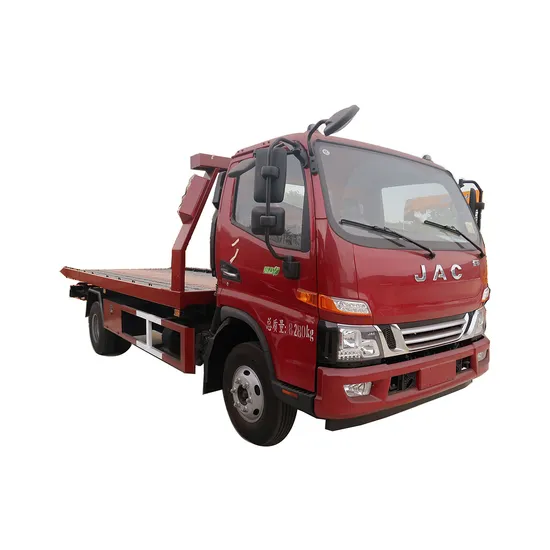
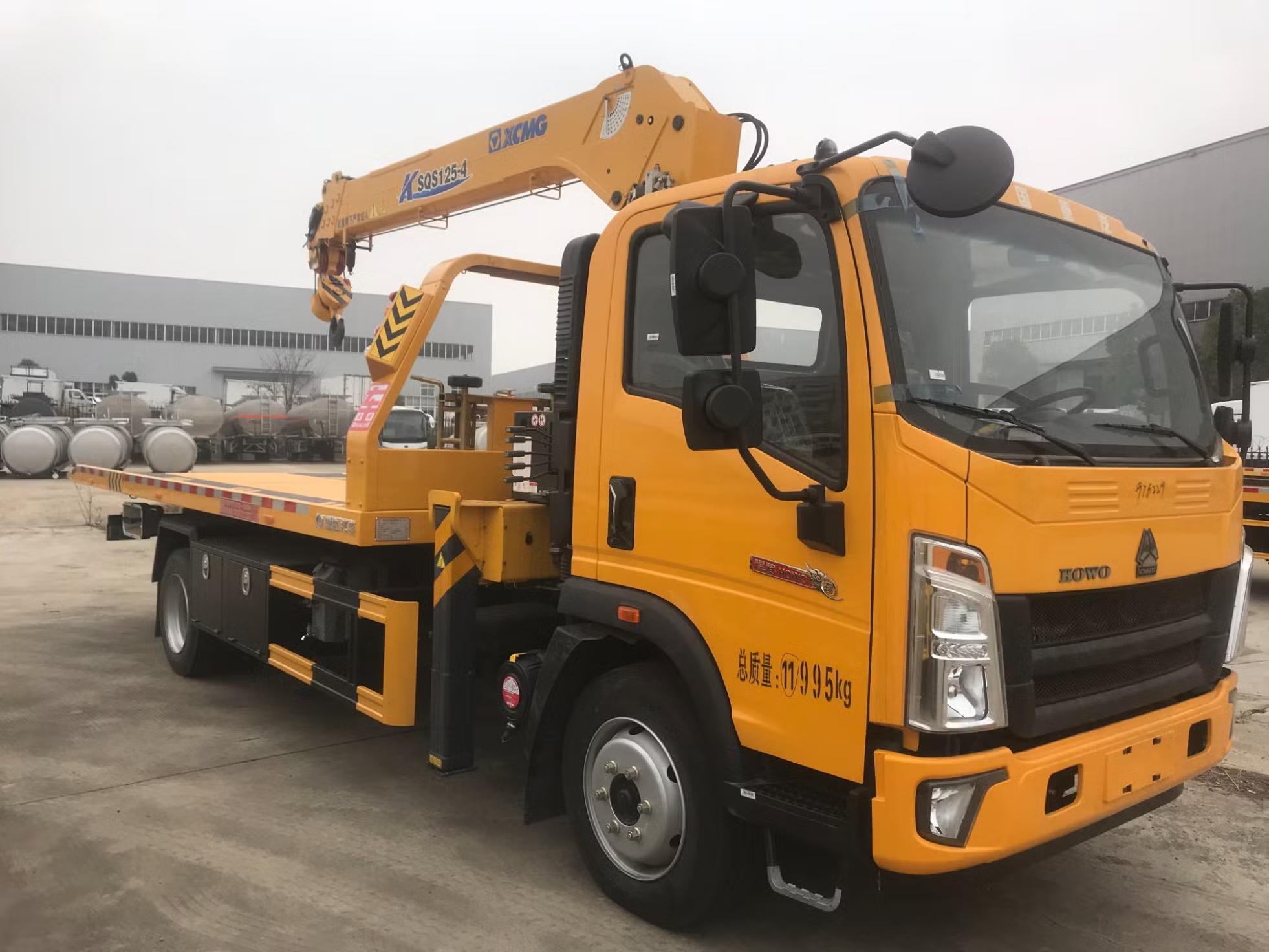
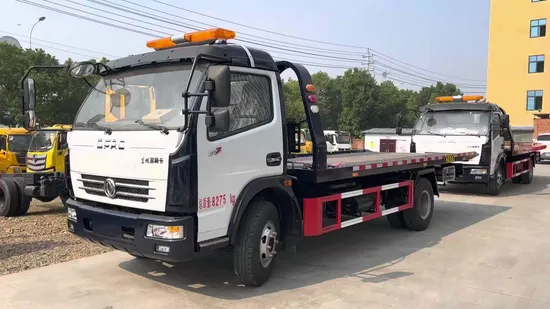
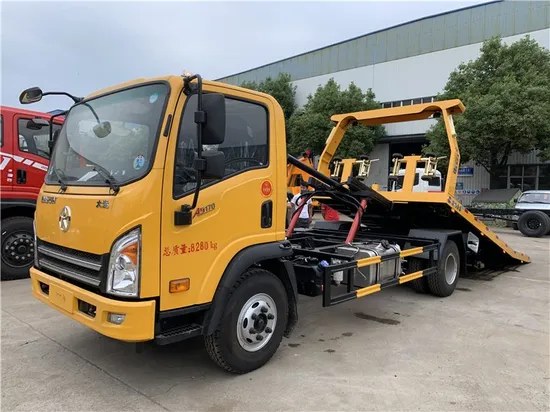
The Chengliwei JAC 4x2 Wrecker Tow Truck 8.28t GVW, model CLW5080TQZH5, is a light recovery vehicle with a JAC cab and a 4×2 layout. Gross vehicle weight is 8280 kg and curb weight is 5260 kg. The drive position is left hand, and right-hand drive is available on request.
It is intended for recovering stalled or damaged vehicles within its rating, clearing accident scenes, and moving vehicles out of workshops and parking areas. The compact 4×2 platform, with a 3815 mm wheelbase and overall size of 7480 × 2350 × 2370 mm, is easy to place in tight streets where a heavier wrecker would not fit.
Recovery equipment
The operating gear is of the bilateral linkage type. A hydraulic capstan rated at 4 tons is fitted, together with one winch. The steel wire rope is 21 m long and the winch speed is 8 m/min. At that speed, a full length of rope takes a little over two and a half minutes to wind in.
Other items listed are one tool box, one alarm lamp, two auxiliary small round units and four bandages. The alarm lamp warns passing traffic at a scene, and the tool box keeps chains and hand tools to hand. Ask the quotation how the recovery body is arranged so you know how a casualty vehicle is lifted or held.
Engine, drivetrain and chassis
The engine is the WP3Q130E50, a four-stroke, water-cooled straight four-cylinder diesel unit of 2.97 L displacement. Maximum output is 96 kW and the emission standard is listed as Euro 2. The gearbox is manual with 6 forward gears and 1 reverse, and maximum speed is listed as 90 km/h.
Braking is by an air brake system, and ABS is listed as fitted. Steering is power assisted. The rear axle is rated at 6 tons, and tyres are 7.50R16 with six fitted and one spare. The cab is the JAC cab, so familiar controls and easy parts matching help drivers who already work with JAC vehicles.
Working routine and safety
A recovery job starts with assessing the scene: position the wrecker, switch on the alarm lamp, check the casualty vehicle's condition and select the correct attachment points. Secure the vehicle with the bandages before moving it, and run the winch slowly so the rope winds evenly onto the drum without kinking.
Never exceed the rated pull of the capstan or winch, and keep people clear of the rope line. After each job inspect the rope for broken strands, check hydraulic hoses for leaks, and examine the attachment points. Drive with extra care when loaded, since the recovered vehicle changes braking distance and handling.
What to confirm before ordering
Confirm the drive side, the emission standard needed where the truck will run, and the type of recovery body you require. Ask for the maximum vehicle weight the equipment may lift or tow, as the capstan rating alone does not describe it. Check that your typical casualty vehicles fall within the stated limits.
Also confirm the cab arrangement, the tool box contents, the colour and any extra lighting or accessories. State the roads and parking areas where the truck will operate, including the narrowest spaces, so that body length and turning ability can be checked against the job. Written confirmation in the quotation keeps the finished truck in line with your needs.
Request a current quotation for your selected configuration, quantity and delivery terms.