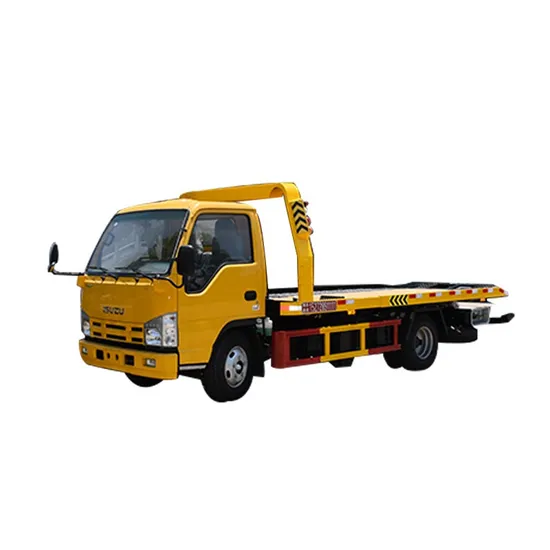
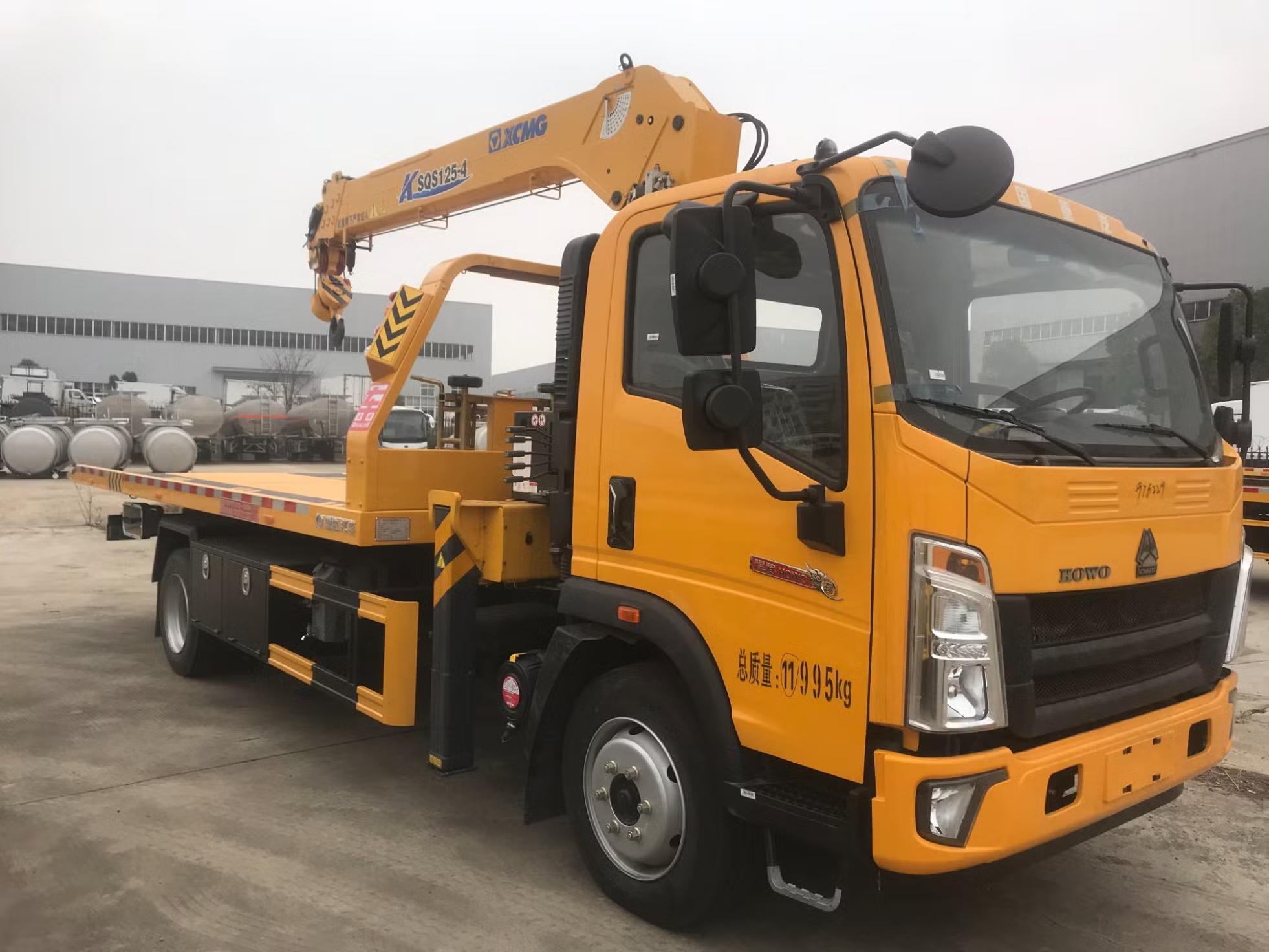
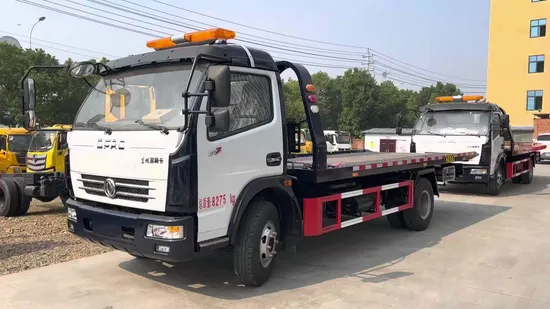
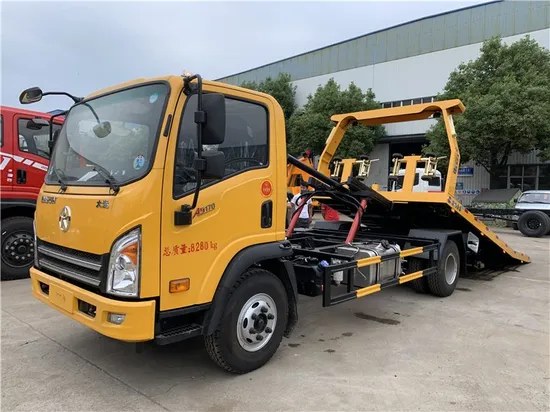
The 4t Flatbed Wrecker Tow Truck Euro 4 Manual is a flatbed recovery vehicle built under the Clw brand, with a diesel engine and a manual gearbox. A flatbed wrecker carries the damaged or disabled vehicle completely on its deck, rather than dragging it on its own wheels. Customisation is available for this model.
It suits towing companies, roadside assistance services, workshops, dealerships and municipal teams that need to move cars and light vehicles without causing further damage. The 4-ton class is a common size for a general recovery truck that handles passenger cars, vans and small commercial vehicles.
How a flatbed wrecker works
A flatbed wrecker has a long deck that is tilted and slid backwards to form a ramp. The casualty vehicle is winched up the ramp, then the deck is returned to a level position and the load is strapped down. Because the wheels of the carried vehicle are off the ground, there is no wear on its tyres, steering or transmission during transport.
This method is especially useful for low cars, vehicles with damaged axles, automatic gearboxes and cars that cannot be put in neutral. It is also safer on highways than towing with a tow bar, as the carried vehicle is fixed to the deck and cannot swing or roll while moving.
Chassis, engine and configuration
The truck uses a diesel engine and a manual transmission, which is straightforward to service and well known by most mechanics. Many operators prefer a manual gearbox for recovery work because it gives direct control when reversing close to a damaged vehicle. The brand marking on this model is Clw.
The rated tow load, emission standard, overall length and deck length can differ between versions of this model, and we confirm these figures in the quotation rather than stating a single value. This matters when you must stay within weight limits on public roads. Please send us the largest vehicle you expect to carry.
Daily checks and maintenance
Before each shift, inspect the deck, winch cable, hooks, straps and safety chains for wear or damage. Check that the controls move smoothly, that lights and warning beacons work and that tyre pressures are correct. Recovery work involves heavy forces, and a worn strap or a frayed cable is a hazard that deserves immediate replacement.
Keep the sliding surfaces clean and lubricated as advised in the handbook, and test the deck movement empty before using it on a casualty. Record faults and repairs in a logbook. Regular attention to these items extends the life of the equipment and gives the crew confidence on difficult roadside jobs.
What to confirm before ordering
Confirm the drive side, the emission standard needed for registration, the rated load and the deck dimensions. Ask for details of the winch, including pulling force and cable length, and check how the controls are operated. Tell us the types of vehicles you plan to carry so that deck length and tie-down points are correct.
Also agree on extras such as warning lights, work lights, a storage box for straps and chains, wheel chocks and paint colour. Our team will answer each point in the quotation and can recommend sensible additions for your kind of recovery work, helping you to build a truck that suits daily use.
Request a current quotation for your selected configuration, quantity and delivery terms.