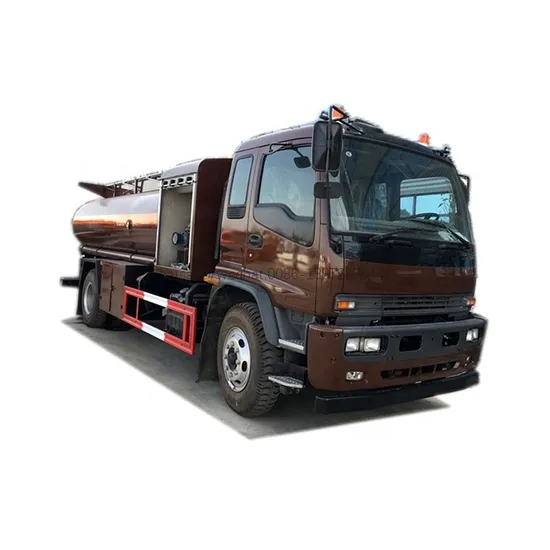
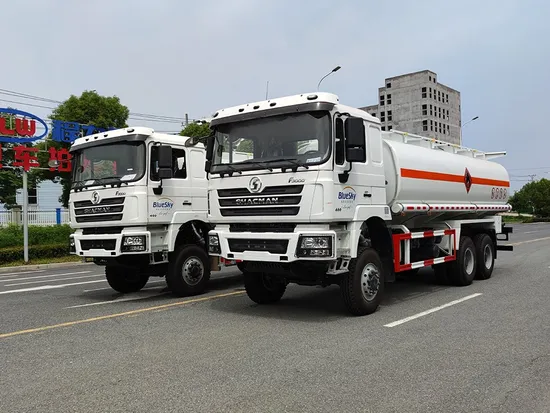
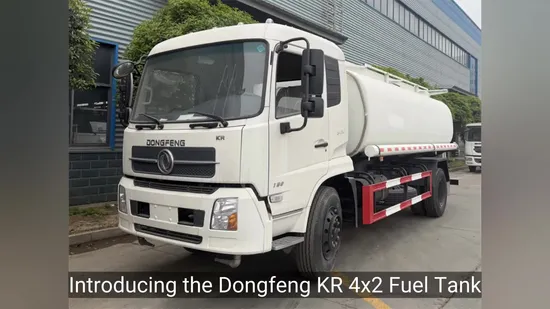
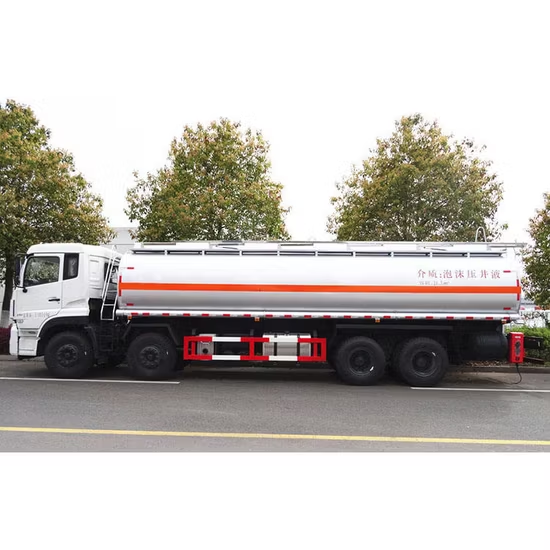
The Isuzu FTR 4x2 Aircraft Refueling Truck 10000L is a 4×2 fuel delivery truck with a 10,000 litre tank, an Isuzu cab and a 205HP diesel engine. It uses a manual gearbox with nine forward gears and two reverse gears, power steering and air brakes, and is offered in left-hand drive, with right-hand drive available on request.
It suits airfield fuel handlers and fuel companies who need a medium-sized refuelling vehicle that is easy to drive and position. The 4×2 layout and moderate length make it easier to manoeuvre than a heavy 6×4 tanker, which helps around apron service roads, hangars and depots with tight turning space.
Chassis, engine and drivetrain
The truck is about 7850 mm long, 2500 mm wide and 3200 mm high, on a wheelbase of 4575 mm. Empty weight is about 5800 kg. Steering is power assisted, braking is by air, and the electrical system runs at 24V. The cab includes air conditioning for the driver.
The diesel engine is rated at 205HP and has a straight six-cylinder layout. Drive goes through the nine-speed manual gearbox, which gives close ratios for pulling away with a full tank and for creeping at low speed when positioning beside an aircraft or a storage point. Engine output options are confirmed in the quotation.
Tank and pumping configuration
The tank is made of Q235 carbon steel, with stainless steel or aluminium available as alternatives. It is divided into three compartments and fitted with an oil pump, a sea valve, bottom loading, a flow meter, a European manhole and oil vapour recovery. These items cover loading, metering, discharge and vapour handling.
Aircraft refuelling has its own handling requirements, so the equipment between the tank and the delivery hose is important. We recommend sending us your fuel type, the required flow rate and the hose and coupling types in use at your site, so that our team can arrange the fittings to suit.
Typical working routines
A typical day starts with bottom loading at the fuel depot, with the flow meter recording what goes in. The driver then drives to the apron or storage point, connects the delivery hose, runs the oil pump and watches the meter until the required quantity has been transferred. Compartments allow different quantities or grades to be kept separate.
Between trips, keep the vapour recovery connection, the sea valve and the manhole seal in good order, and record each loading and delivery. Drivers should follow the fuel handling rules of the site they serve. Plan routine inspections of the tank and pipework with the same discipline as the chassis service schedule.
What to confirm before ordering
Please confirm the drive side, the emission standard your road rules require, and the exact tank volume, because the final figure depends on the configuration and is confirmed in the quotation. Tell us the fuel type to be carried and any equipment you need for aircraft refuelling, such as particular couplings or hose lengths.
Also tell us the colour, the markings you need on the tank, and the site conditions such as gate heights and turning space. Our team will use your answers to set up the compartments, pump and pipework, and return a written configuration for your approval.
Request a current quotation for your selected configuration, quantity and delivery terms.