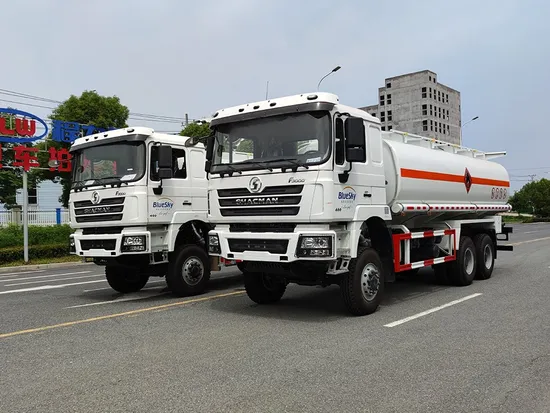
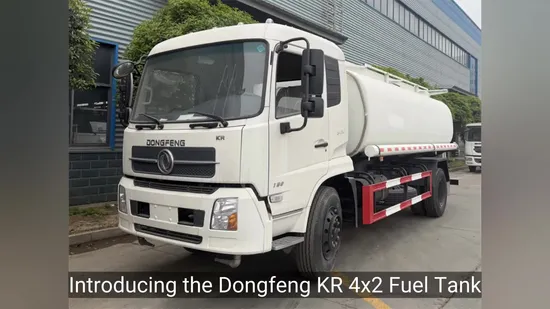
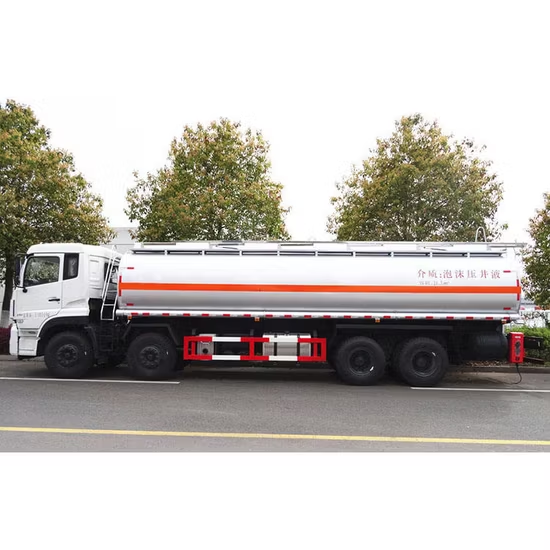
The Aluminum Fuel Tank Truck 43000-45000L Euro 2 is a diesel-powered fuel tanker sold under the CLW-DONGFENG name. It is a 4×2 rigid truck with a manual gearbox, intended for moving fuel from a depot to customers. The exact tank volume you need is confirmed in the quotation, because the tank can be built to different sizes.
This page suits buyers who want a straightforward road tanker without a long list of extras. A 4×2 chassis keeps the truck simple to drive and service, and it works well on paved routes between a fuel store and its customers. The notes below explain how the equipment works so that you can describe your needs clearly.
How a fuel tank truck works
A fuel tanker is a sealed tank mounted on a truck chassis. Fuel is loaded through the top hatch or through bottom connections at a terminal, carried in the tank, and then discharged by a pump or by gravity at the delivery point. The driver controls the valves and the pump from the side of the vehicle, so access and visibility there matter.
Large tanks are normally divided into compartments, which keeps different products apart and limits how much liquid moves during braking and cornering. The number of compartments is a design choice and depends on the products you carry and the size of your normal drop. We set this out in the quotation for your tank.
Chassis and drivetrain
The chassis is a Dongfeng 4×2 with a diesel engine and a manual transmission. The emission standard of the truck is Euro 2. A manual gearbox is common on fleet tankers because drivers are familiar with it and workshops can maintain it without special tools or software.
Colour is made to the customer's requirements, so a fleet can match its existing livery. The tank is mounted on the chassis frame and the weight is shared between the axles, which is why the tank size, the axle ratings and the permitted gross weight are always checked together in the quotation rather than treated separately.
Matching the truck to your job
Start with the volume you deliver on a typical round. A depot serving many small customers may prefer a smaller tank with several compartments, while a route with a few large drops may justify a bigger tank. The right answer also depends on road rules for axle load, so please give us the weight limits you work under.
Consider the discharge method as well. Some operators unload by pump through a hose, others rely on gravity into a storage tank placed lower than the truck. The pump size, hose length and meter all change the equipment list, so tell us how the fuel is received at your customers' sites.
What to confirm before ordering
Please confirm the tank capacity first, then the number of compartments and the products they will carry. Confirm the steering side, with left-hand drive as the usual build and right-hand drive on request, and confirm the emission standard that applies on your roads. These points shape the whole specification.
Also confirm the pump, hose and metering equipment, the colour, and any fittings that your fuel terminals require for loading. With this information our team can prepare a quotation that describes the chassis, the tank and the delivery equipment as one matched package, rather than leaving open questions for later.
Request a current quotation for your selected configuration, quantity and delivery terms.