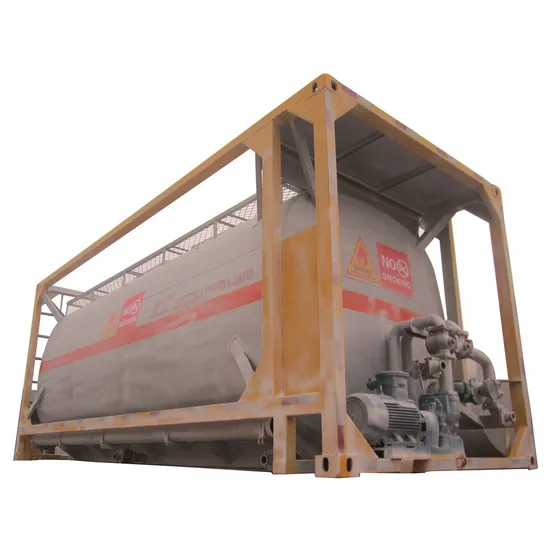
The Chengliwei 20ft Carbon Steel Fuel Tank Container is a fuel storage tank built to 20 ft container dimensions: 6,058 × 2,438 × 2,591 mm overall. The tank is carbon steel Q235 with a thickness of 6 mm, and an electric pump is fitted. It has no engine of its own, which keeps it simple to operate and to maintain.
It suits operators who need to hold a meaningful quantity of oil at one place and dispense it where work is carried out. Contractors, plant operators, generator sites, bus and truck yards and fuel resellers are typical users. The container shape lets the unit be set down on level ground and connected to hoses and dispensing equipment.
Matching the tank to your site
Start with your daily fuel use and how often you can refill. A tank used as a buffer between fuel deliveries needs different handling from one that serves a fleet every morning. Our team can help you work out whether a single tank is enough or whether a second unit would make operations easier.
Check the site before ordering. The tank needs firm, level ground, space for the overall dimensions and clear access for the vehicle that fills it. The curb weight of 6,500 kg also matters when you plan lifting equipment, because the weight of the fuel is added to it once the tank is filled.
Tank construction and fittings
The tank body is made of carbon steel Q235, 6 mm thick. Two DN500 mm manholes sit on top of the tank to allow inspection and cleaning. A skid-resistant walkway runs across the top, giving an operator a safe place to stand when opening the manholes or checking the contents.
The tank size is 18 m³, and the container family covers 15,001 to 30,000 L. The volume that applies to your unit is confirmed in the quotation. The electric pump transfers oil into and out of the tank, and its power supply and hose fittings are agreed with you in advance.
Using the pump safely
Before starting the pump, check the cable, the earthing arrangements on site, the hose couplings and the valve positions. Keep naked flames and sources of ignition away from the tank, and make sure only trained staff operate the transfer. Stop the pump before changing hoses or opening any valve that is under flow.
Record each transfer, compare it with the level in the tank, and look for unexplained losses. Inspect the walkway for oil films, since a slippery surface defeats its purpose. Keep a spill kit and a suitable fire extinguisher near the tank, and train every operator on what to do if a hose comes loose.
What to confirm before ordering
Please confirm the tank volume, the type of oil to be stored, the hose and valve fittings, and the electrical supply for the pump. The exact volume, payload figure and compartment arrangement depend on the configuration and are confirmed in the quotation. Tell us also how you plan to lift or move the unit on site.
Colour is made to your requirement and customisation is available. Send us your site layout, filling method and fuel-handling rules, and our team will compare them with the equipment and describe the configuration in writing before the order is placed.
Request a current quotation for your selected configuration, quantity and delivery terms.