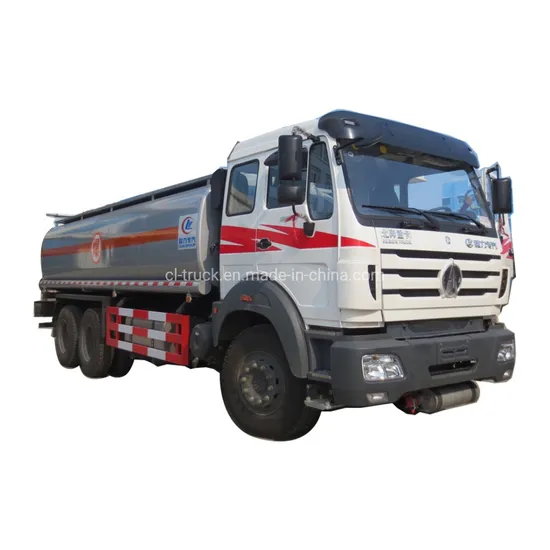
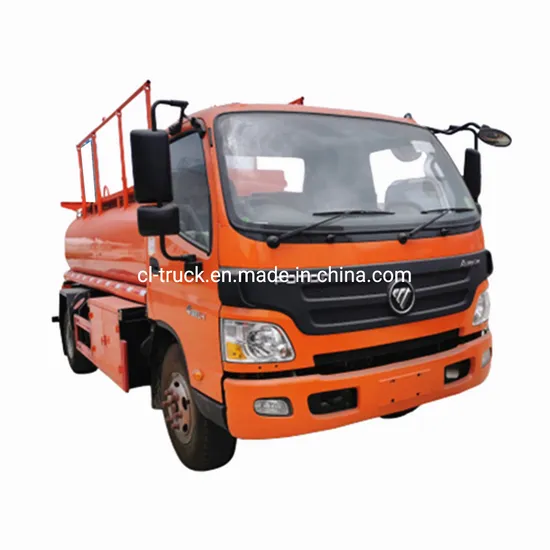
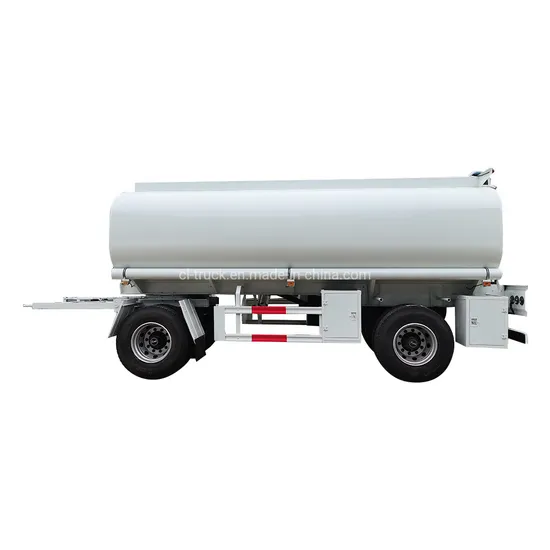
A fuel tanker can hold from a couple of thousand litres on a compact delivery truck to tens of thousands on a semi-trailer. Our listed rigid fuel trucks run from about 1,500 L to 30,000 L and above, while trailers reach 60,000 L. Axle count and road weight rules set what you can actually use. A fuel tanker is also called a petrol tanker or a tanker lorry.
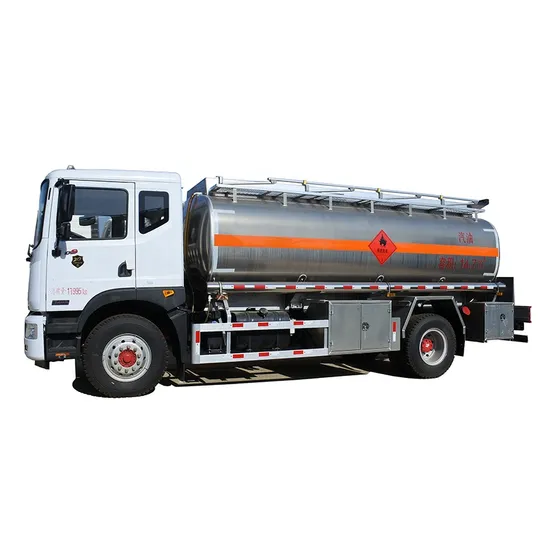
Size bands at a glance
Fuel tankers fall into rough groups. The figures below come from the volumes shown in our product titles and specifications, so treat them as listed ranges, not guarantees.
| Tanker group | Listed volume | Typical role |
|---|---|---|
| Compact 4x2 truck | About 1,500 to 8,000 L | Short rounds, site refuelling, small depots |
| Mid-size 4x2 truck | About 10,000 to 15,000 L | Regular deliveries to stations and plants |
| Heavy 6x4 or 6x2 truck | About 20,000 to 25,000 L | Larger drops over longer routes |
| 8x4 truck | 30,000 L and above | Highest rigid capacity |
| Full trailer | 18,000 to 20,000 L | Added capacity behind a truck |
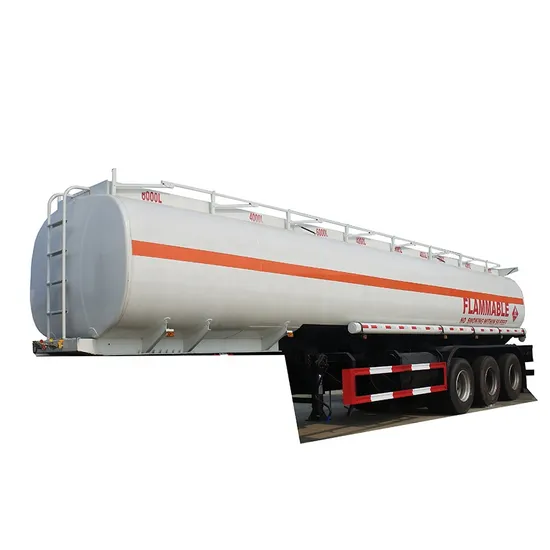
| Semi-trailer | 45,000 L up to 60,000 L | Bulk transfer between depots |
Why the tank size is not the whole story
A stated capacity of 20 m³ means 20,000 litres of tank volume, since one cubic metre is 1,000 litres. That is the shell size, not always the load. Operators leave some space at the top for fuel expansion, and the legal gross weight and axle load for the road may be reached before the tank is full. Check the limits that apply where the truck will run.
Compartments also change how the volume is used. A 15,000 L body split into three compartments carries three separate loads, each smaller than the total, and each compartment can hold a different product.
Matching volume to the job
- Look at the storage tank you are filling. The truck should ideally empty fully into one or two drops.
- Count how many fuel grades you deliver, because each needs its own compartment.
- Check road and site access. Narrow yards and weak bridges favour smaller bodies.
- Think about route length. A bigger tank saves trips only if the distance justifies it.
Browse the full fuel truck and fuel tank trailer ranges. The Dongfeng Aluminum Fuel Tanker Truck 15000L 3 Compartments shows a mid-size body with an aluminium alloy tank, while the Beiben 6x4 Multi-Compartment Fuel Tanker 20m3 is listed at 20,000 litres with a 60 m³/h pump. For trailers, the 3-Axle 45m3 Petrol Tanker Semi-Trailer Emergency Valve is listed with a 45,000 litre tank. Our pages for fuel tanker trucks for sale and fuel tank trailers for sale list more models.
Frequently asked questions
How many litres are in one cubic metre of tank volume?
One cubic metre equals 1,000 litres. A tanker described as 20 m³ therefore has a tank volume of 20,000 litres. Product pages sometimes use litres and sometimes cubic metres, so convert before comparing models.
Can a fuel tanker be filled to its full volume?
Not normally. Some space is kept for expansion, and the weight and axle limits where the truck runs may cap the load first. Confirm the usable load with your own operating rules before choosing a size.
Do compartments reduce the total capacity?
The total tank volume stays the same, but it is divided into separate sections. Each compartment holds only part of the total, so a three-compartment 15,000 L body cannot put all 15,000 L of one fuel in a single section.
Does a trailer hold more than a rigid truck?
Generally yes. Trailers have more axles and a longer body, so listed volumes are higher. They also need a tractor unit and more room to manoeuvre, which can matter on tight sites.
How many litres does a petrol tanker lorry hold?
That is another name for a fuel tanker. Our listed rigid trucks run from about 1,500 L to 30,000 L and above, and trailers reach 60,000 L, so the answer depends on the size band.