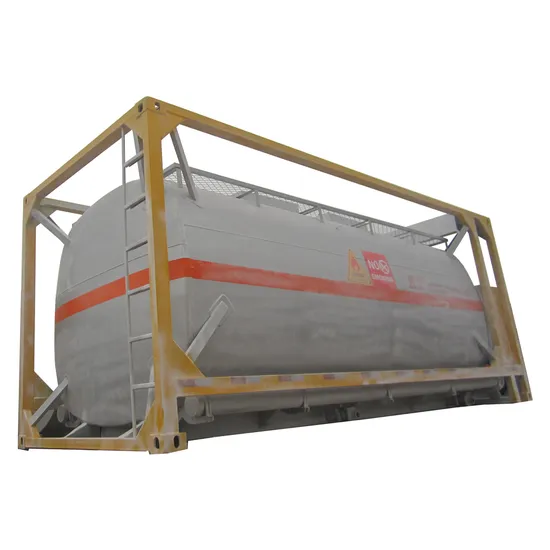
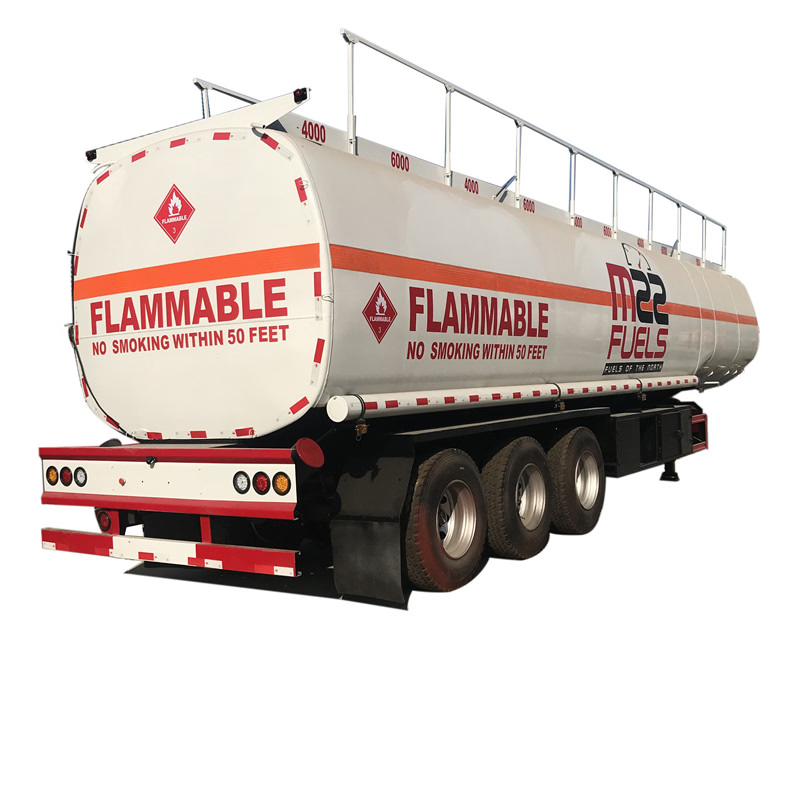
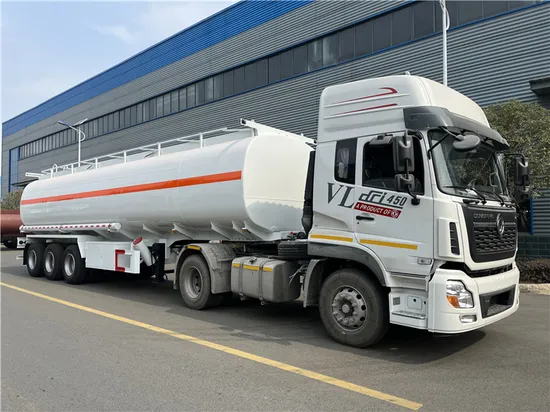
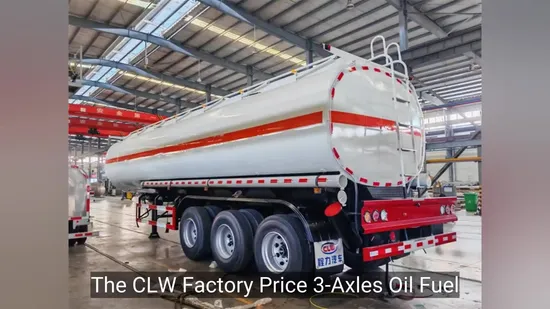
The Chengliwei 20ft 40ft Diesel Fuel Tank Container is a tank built in container dimensions for storing and moving diesel. The 20 ft version measures 6,058 × 2,438 × 2,591 mm overall, and the tank is made of carbon steel Q235 with a 6 mm wall. It has no engine or drivetrain of its own, so it is moved by the equipment you already use.
It suits fuel depots, construction camps, mines, generator sites and distribution yards that need a self-contained diesel store which can be placed where the fuel is used. An electric pump is fitted, so the contents can be moved without a separate pumping set. Sizes of 20 ft and 40 ft are available, and the final choice is confirmed in the quotation.
Where this unit is used
A container-format tank is useful wherever fuel has to be stored close to the work but fixed storage is not practical. Typical examples are remote construction sites, temporary camps, power generation sites and vehicle yards. Because the shape follows a standard container footprint, it can be positioned, handled and stacked in the same way as other container equipment.
Think about how the fuel will move in and out. Some operators fill the tank from a delivery tanker and then dispense to vehicles or generators using the electric pump. Others use the tank only as a buffer between deliveries. Telling us the filling and dispensing routine lets our team confirm the right fittings and hoses.
Tank construction
The tank is carbon steel Q235 with a thickness of 6 mm. The 20 ft version has a curb weight of 6,500 kg and a tank size of 18 m³. Volume ranges for the container family run from 15,001 to 30,000 L, so the exact capacity for the size you choose is confirmed in the quotation.
On top of the tank are two DN500 mm manholes for access, inspection and cleaning. A skid-resistant walkway on top of the tank gives the operator safe footing when opening manholes or checking levels. Always use the walkway, and never climb onto the tank in wet or icy conditions without suitable protection.
Pump and operation
The electric pump handles transfer of diesel in and out of the tank. Before use, check the power supply, cable condition, hose connections and valves, and keep the area free of ignition sources. Run the pump only when hoses are connected at both ends, and never leave it running unattended during filling or dispensing.
Read the tank level before and after each transfer, record the quantities, and look for drips around fittings. Small leaks at a hose coupling are easy to fix if found early, but a neglected one can waste fuel and contaminate the ground. Keep spill containment and a suitable fire extinguisher close to the tank.
What to confirm before ordering
Please confirm the container size, 20 ft or 40 ft, and the tank volume you need, since the volume depends on the size and is confirmed in the quotation. Confirm the fittings, such as hoses, valves and meters, the power supply for the electric pump, and the number of compartments if you want the fuel separated.
Colour is made to your requirement and customisation is available. Tell us the site conditions, how you plan to lift or move the tank, and the fuel handling rules you must follow. Our team will compare these with the equipment and give you a written configuration before you decide.
Request a current quotation for your selected configuration, quantity and delivery terms.