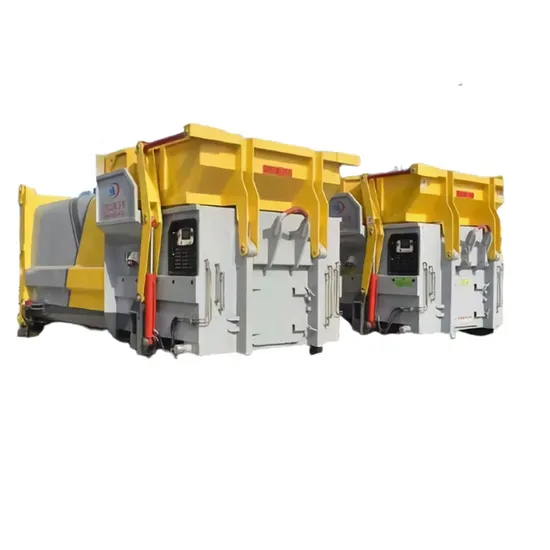
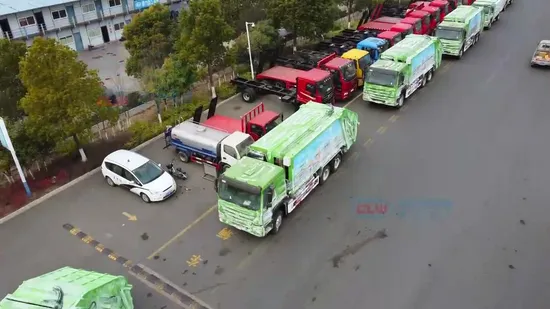
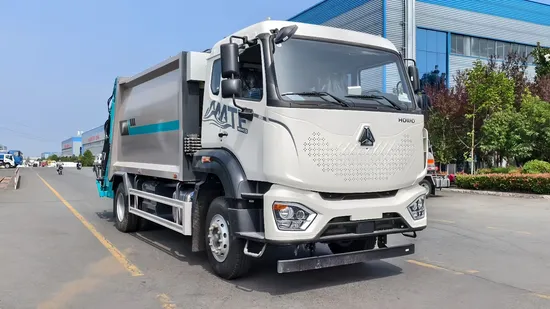
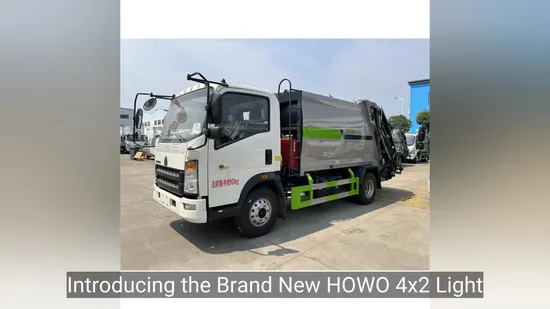
The 4x2 Wheelie Bin Compactor Garbage Truck 8-20m3 is a rear-loading refuse collector with a compactor body, built on a two-axle chassis with 4×2 drive and a manual gearbox. It is intended for collecting household and commercial waste from wheelie bins and compacting it so that more waste fits in each load.
Municipal cleaning departments and private waste contractors will find it useful on residential streets and commercial routes where bins are lifted at the kerb. The overall size is listed as 6925 × 2205 × 2620 mm, which is compact enough for many urban collection roads, though the body volume depends on the configuration chosen.
How a wheelie bin compactor works
Bins are lifted by a lifter at the back of the truck and tipped into a hopper. A hydraulic compaction mechanism then pushes the waste forward into the body and presses it down, creating room for further bins. The result is a longer round before the driver has to visit a transfer point or disposal site.
At the end of the round, the rear of the body is opened and the compacted load is pushed out or tipped at the disposal site. The specification lists carbon steel for the garbage box and names Siemens electrical components alongside a hydraulic system, which are the parts a mechanic will inspect during routine servicing.
Body size and chassis
The body volume depends on the configuration and is confirmed in the quotation. A larger body reduces trips to the disposal site but needs a stronger chassis and more room to manoeuvre, so match the volume to your route length and bin count rather than simply choosing the largest size on offer.
The wheelbase follows the chassis that is selected, so ask which chassis brand and model will carry the body. The drive is 4×2 with a manual transmission, which suits trucks that stop frequently. Ask about the engine, axle ratings and tyre sizes, since these decide how much waste the finished truck can legally carry.
Maintenance and daily checks
Start each shift with a walk-around. Check hydraulic hoses and fittings for leaks, look at the lifter and hopper for damaged edges, and confirm that the rear door seals closed. A compactor that leaks liquid can leave residue on the road, so keep an eye on door seals and the drain arrangement of the body.
Wash the body and hopper after each round to reduce corrosion on the carbon steel box and to limit odour. Grease moving joints on the lifter and hinge points as the maintenance schedule requires, and keep the electrical connections dry. Record any change in compaction speed, because slower cycles often point to the hydraulic system needing attention.
What to confirm before ordering
Confirm the drive side, the emission standard and the body volume you require, since these are tied to the chassis and are given in the quotation. Ask which bin sizes the lifter handles, because wheelie bins come in different capacities and the lifting gear has to match the bins your customers use.
Also ask for the final overall dimensions, the permitted gross weight and the payload for your registration, and whether any optional equipment you want is available. Having these points written into the quotation lets you compare the truck with your route and your disposal site requirements before any work starts.
Request a current quotation for your selected configuration, quantity and delivery terms.