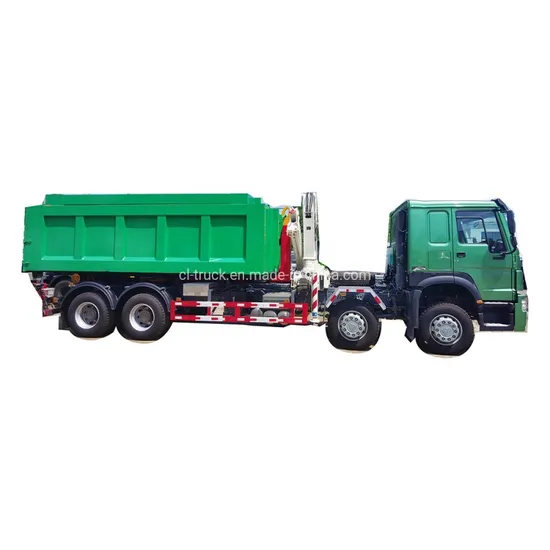
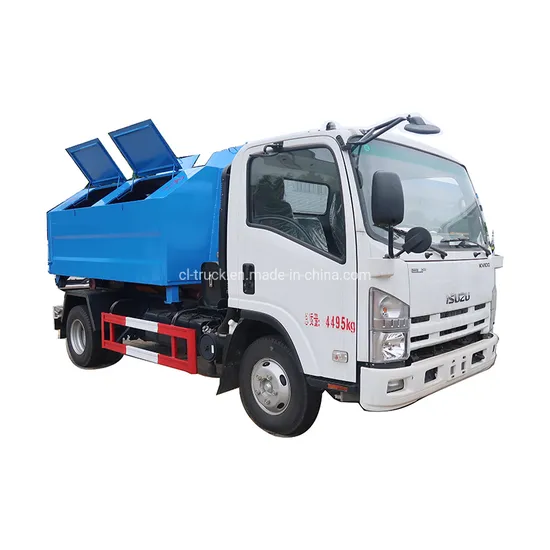
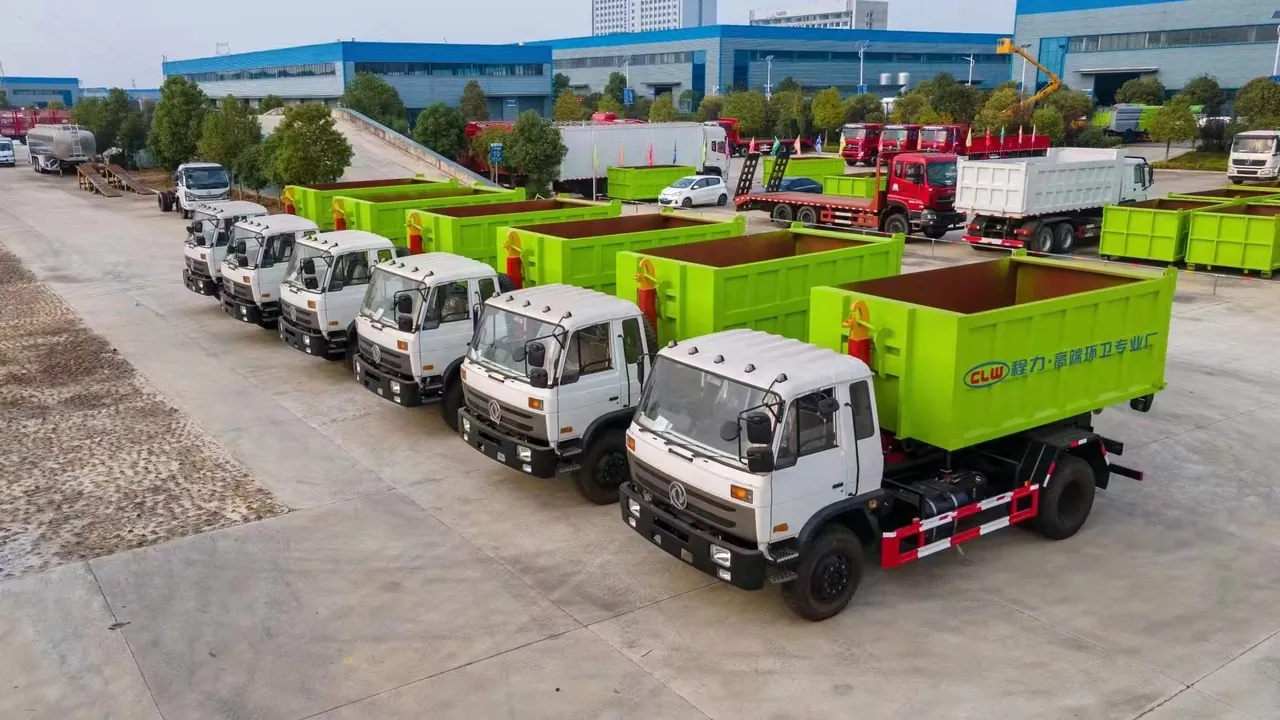
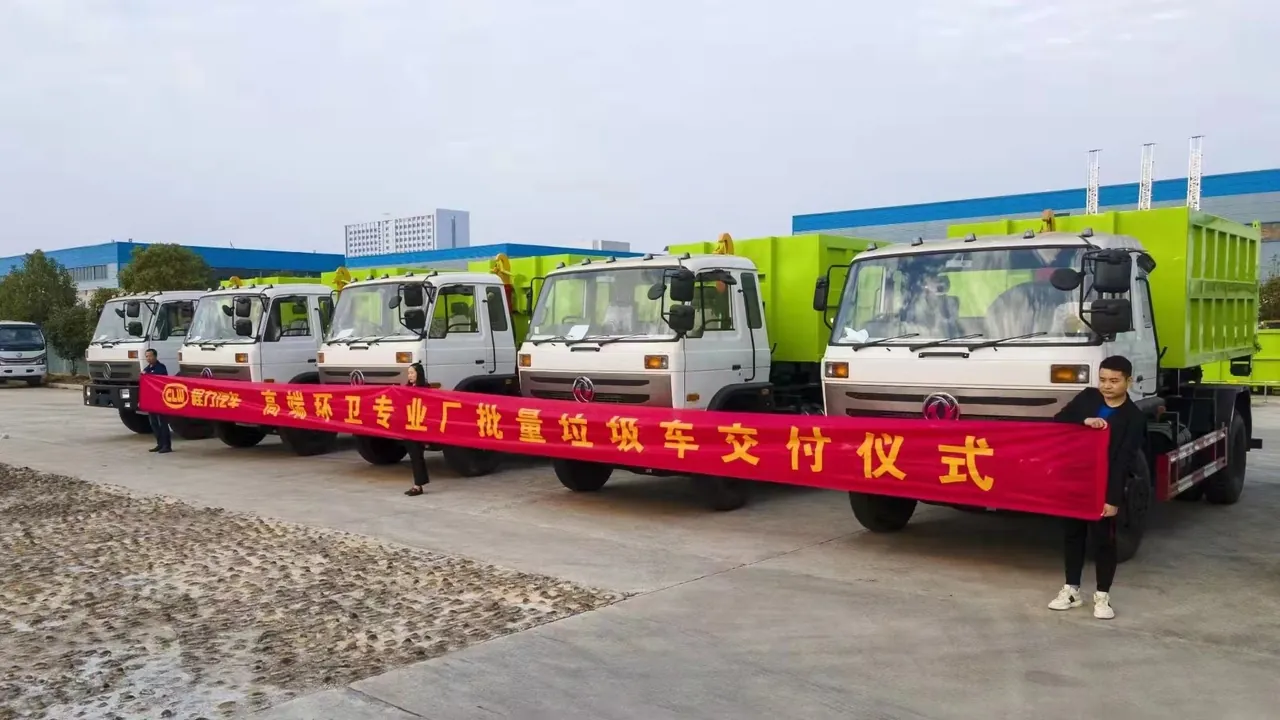
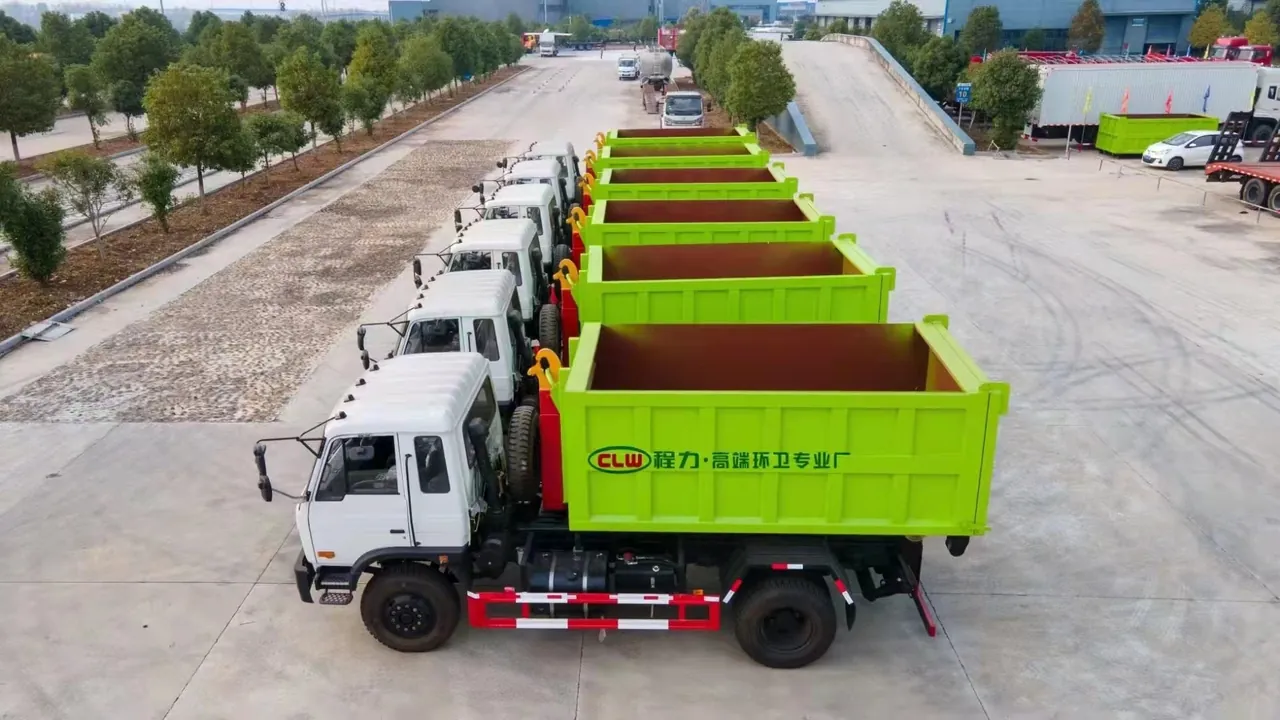
Chengli Group (CLW Group) exported a batch of sanitation trucks. The photos show hook lift garbage trucks with green containers, parked in rows at the plant.
What was supplied
Each truck has a white cab and a hook arm that carries a green open container. The containers carry the Chengli Group sanitation logo. Six trucks are visible side by side in some photos, and more stand in the rows behind.
About this vehicle type
A hook lift garbage truck loads, carries and tips a removable container with a hook arm. One truck can serve many containers. It drops an empty one and picks up a full one, which suits transfer points, markets, construction sites and large waste producers.
How a hook lift truck works
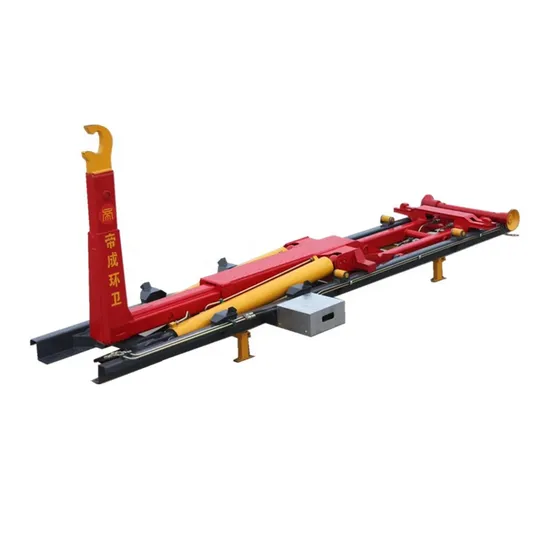
A hook lift has a hydraulic arm mounted on a sub-frame behind the cab. To pick up a container, the driver backs the truck up to it in a straight line. The arm swings out and its hook engages a bar at the front of the container. The arm then pulls the container up and back onto the rails of the truck, where locks hold it for the drive.
At the unloading point, the arm tilts the container at the rear so that the waste slides out, usually through a door at the back. To leave the container on the ground, the driver pulls forward and the arm lowers it down the rails. Because the same truck can carry many containers, it spends less time waiting at each site than a truck with a fixed body.
Main components
- Chassis: carries the equipment and the container. Axle layout and rating decide the weight the truck may carry.
- Hook arm: the main lifting frame that pulls the container on and tips it off. Its lifting rating is a key figure for any quote.
- Sub-frame: a strong frame between chassis and arm that spreads the lifting forces along the chassis.
- Hydraulic cylinders and pump: provide the force for lifting and tilting, powered from the engine.
- Container: an open or covered steel box with a hook bar at the front and rollers at the back. Size and wall strength depend on the waste it carries.
- Locks and rear door: hold the container safely when moving and let waste out when tipping.
- Controls: levers or switches at the cab or on the side of the truck, with safety stops for the arm.
What to check when you order a similar unit
- Chassis and engine class: choose a brand and an emission level that your fuel and workshop network can support.
- Lifting capacity: the arm rating must exceed the weight of a full container, not just its volume.
- Container fit: if you already have containers, check the hook height, length and rail spacing against the arm before ordering.
- Number of containers: one truck can serve several, so decide how many your route needs.
- Drive side: left-hand drive is standard, and right-hand drive is available on request.
- Roads and climate: loose ground, tight turns and heat affect the chassis, tyres and cooling.
- Spare parts and documents: ask for a parts list for the hook arm and cylinders, an operator manual and the vehicle papers for registration.
To compare the two lifting systems, read hook lift versus skip loader trucks. To check what you already own, see whether your existing containers will fit a hooklift truck. Our hook lift trucks page lists the current models.
Similar models you can order
We can build a similar truck with your chassis, container size and lifting capacity. Left-hand drive is standard, and right-hand drive is available on request. Related models on this site include Chengliwei HOWO 6x4 Hook Lift Garbage Truck 16m3, Cable Hoist for Arm Roll Off Rubbish Garbage Trucks and Isuzu 4x2 Hook Lift Garbage Truck 5m3 5t.
To ask for a quotation, please use our contact page.