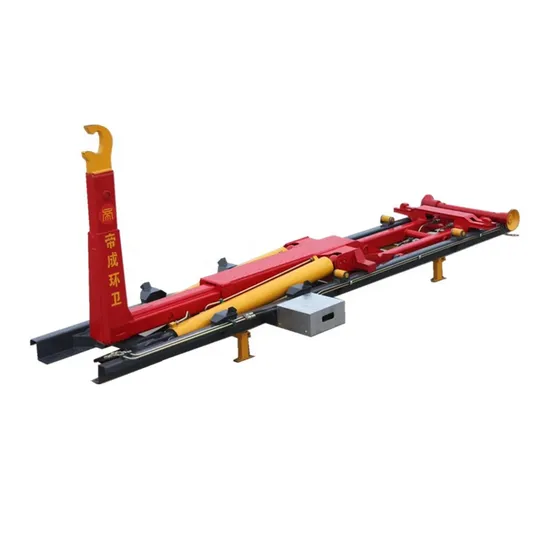
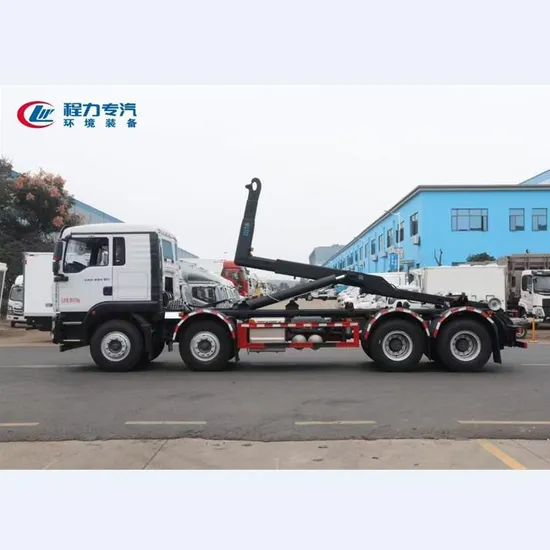
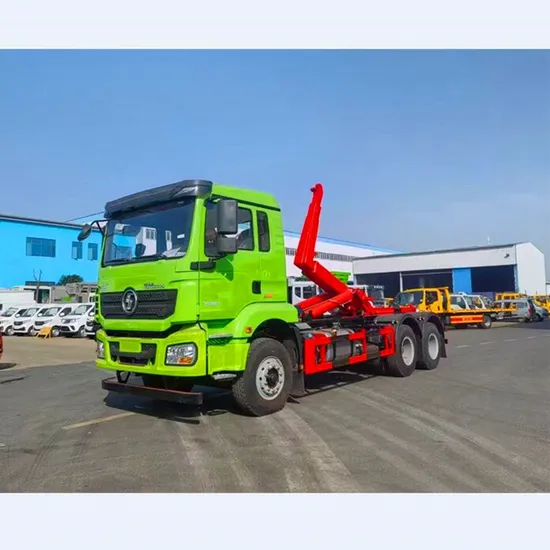
The Cable Hoist for Arm Roll Off Rubbish Garbage Trucks is the lifting equipment and container body for a roll-off refuse truck. It pairs a hoist arm with a steel box of 4500 x 2200 x 1500 mm, so that waste containers can be loaded onto the truck, carried and tipped out at the disposal point. Diesel power and the chassis match are confirmed in the quotation.
It suits municipal services, waste contractors, construction sites and industrial yards that fill large containers and need them hauled away without a separate loader. One truck can serve many container positions, leaving a full container at the site and picking up an empty one on the same visit.
How the cable hoist works
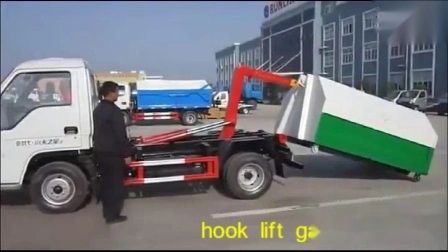
A cable hoist arm works with a hydraulic cylinder and a cable to pull a container up onto the truck frame. The arm swings back, the cable draws the container along the rails, and the container is then held in place for the journey. Unloading reverses the sequence, tipping the box for discharge.
The operating routine is simple to learn, but each step must be completed before the next begins. The container should be locked before the truck moves, and the area behind the truck should be clear when the arm is working. Our team supplies the guidance that goes with the equipment.
Box and hydraulic data
The container box measures 4500 x 2200 x 1500 mm, with Q235 steel used for the sides at 4 mm and the bottom at 5 mm. The thicker floor takes the impact of heavy material being dropped in. The loading time is 50 to 60 seconds, and the dump angle reaches 50 degrees.
The hydraulic system works at a pressure of 20 to 25 MPa. Control can be manual, by remote, or electric and hydraulic, depending on the arrangement chosen. A remote option lets the operator stand where the arm and container are both in view, which is useful when positioning in tight yards.
Daily checks and care
Before work, operators should look over the hydraulic hoses and fittings for leaks, check oil level and make sure the container locks engage properly. A walk around the truck takes a few minutes and finds most faults before they interrupt a shift. Floor and side panels should be examined for dents and cracks.
Waste left inside a container can corrode the steel and add to the weight carried, so emptying and washing the box at intervals is worth doing. Moving parts of the arm need regular lubrication, and the cable should be inspected for fraying, since a worn cable is a safety risk.
What to confirm before ordering
Please confirm which chassis the hoist and box will be fitted to, along with the drive side, the emission standard and the load rating you need. Volume and payload depend on the final configuration, and we confirm both in the quotation rather than giving one figure for the model.
Tell us also the control method you prefer, the container size you plan to handle and whether you need any extra equipment on the box. Customisation is available, so the best route is to send your container details and we will propose a matching arrangement.
Request a current quotation for your selected configuration, quantity and delivery terms.