Capacity figures on bitumen equipment describe different storage spaces. A transport trailer holds binder, an asphalt distributor truck carries binder for application. A chip sealer may have both a binder tank and an total hopper. Keeping these spaces separate is essential when comparing equipment or preparing a replenishment plan.
Label the stored material before recording the number
Begin each capacity entry with the material and container name. “Bitumen tank: 8 m³” is more useful than “capacity: 8,” because it preserves both the unit and the function. Use a separate line for stone storage even when both containers are mounted on the same vehicle.
| What is stored? | Capacity unit | Relevant equipment |
|---|---|---|
| Bitumen for transport or supply | Litres, m³ or cbm | Insulated tank semitrailer |
| Bitumen for controlled road application | Litres or m³ | Asphalt distributor truck |
| Binder on a synchronous sealing machine | Litres or m³ | Chip sealer bitumen tank |
| total for spreading | Usually a stated hopper volume, with mass recorded separately if provided | Chip sealer gravel hopper |
One cubic metre equals 1000 litres, and “cbm” means cubic metres. Converting these volume units does not convert volume into tonnes. A weight comparison requires its own clearly stated mass information.
Read trailer capacity as bitumen storage
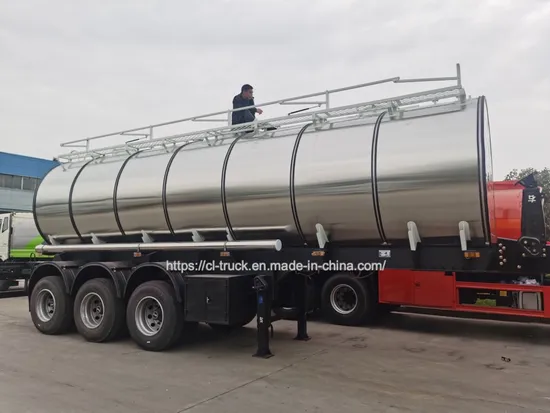
The Chengli insulated bitumen semitrailer detailed table specifies a 45 m³ tank configuration. Its insulation and exterior covering are construction features, not additional storage compartments. A title offering more than one capacity should lead to a clearly selected tank size in the quotation.
The asphalt tanker trailer also lists 45 m³ in its detailed volume entry, together with a 100 mm insulation layer and three outlets. Outlet quantity does not multiply tank capacity or establish a matching number of independent compartments.
Keep distributor storage separate from application fields
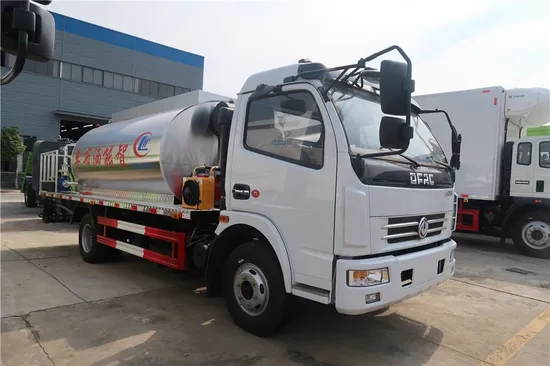
The Dongfeng 4×2 asphalt distributor includes a 6 m³ model description and another tanker-volume entry of 4 m³ in its equipment information. These should remain distinct listed configurations or entries until the selected machine is specified. Adding them together would not describe a supported tank arrangement.
Its listed 4.5 m spray width belongs in an application column. Likewise, an application quantity expressed in litres per square metre describes binder distribution over a surface, not litres held in the tank. Keeping storage and application fields separate avoids misleading comparisons with a larger supply trailer.
Give the chip sealer two storage lines
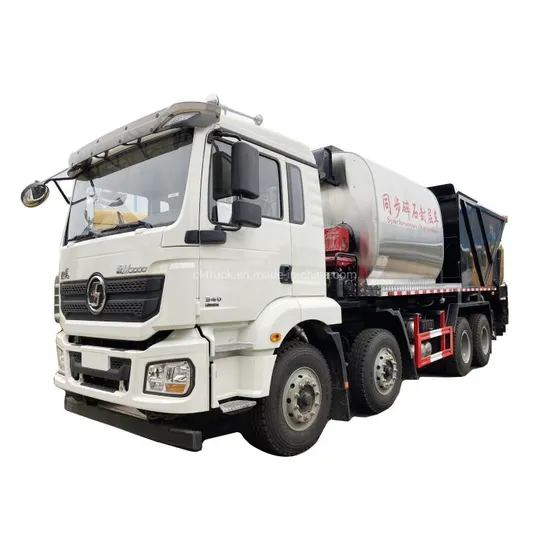
The Shacman synchronous chip sealer title identifies an 8000 L asphalt tank and 12000 L gravel tank. Its detailed table includes an 8 m³ tanker entry. Record binder storage and gravel storage separately; the gravel container does not extend the usable bitumen tank.
A combined total may describe the arithmetic sum of two spaces. It obscures what the machine can carry of each material. Replenishment planning needs the separate capacities because binder and total follow different supply paths and are consumed according to the project treatment.
Use a capacity schedule in the purchase enquiry
For your road project, list equipment model, container purpose, selected volume and any separately stated payload on each quotation line. Add the required transport or application role beside it. This simple schedule keeps trailer tanks, distributor tanks and total hoppers comparable without presenting them as interchangeable storage.