When a buyer asks for an LPG semi-trailer, the first number is nearly always the tank volume: 40 m3, 50 m3, 60 m3. The second number, which decides what you can actually carry, is the payload in tonnes. They are not the same, and neither is the same as the gross weight allowed on your roads. This guide explains how the three connect on an LPG tank trailer, shows real figures from one of our model tables, and lists what to confirm before you order. It is general guidance. The final specification is always written into your quotation.
What an LPG semi-trailer is
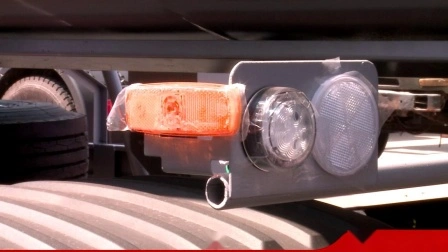
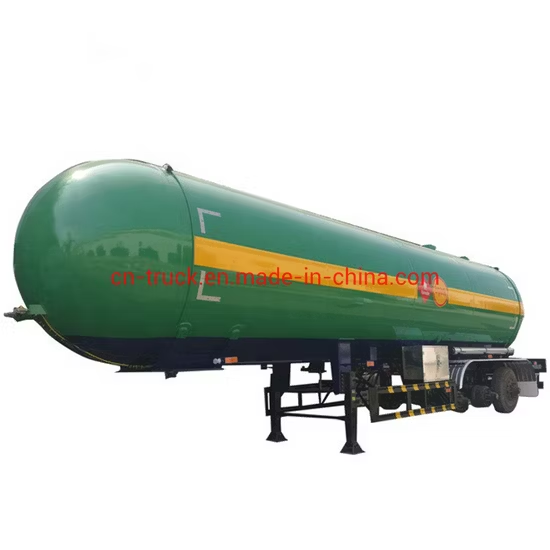
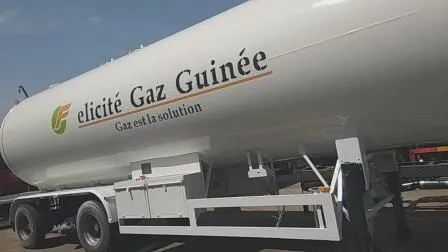
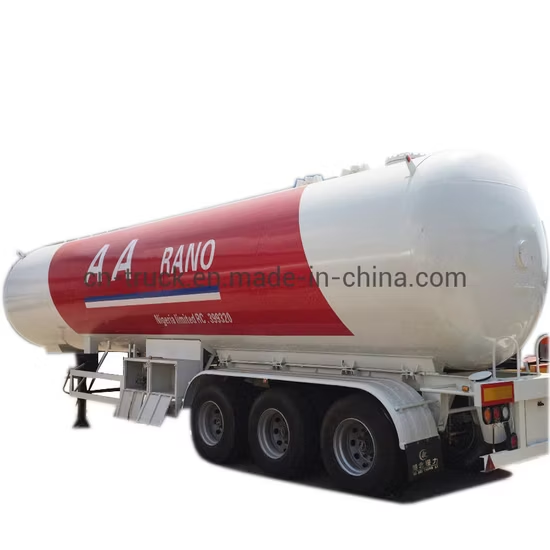
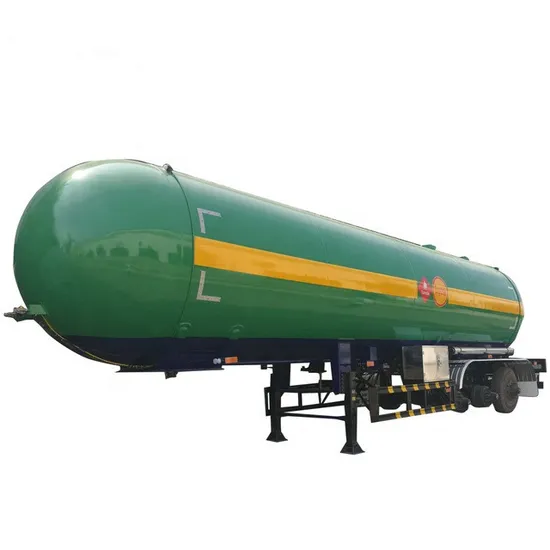
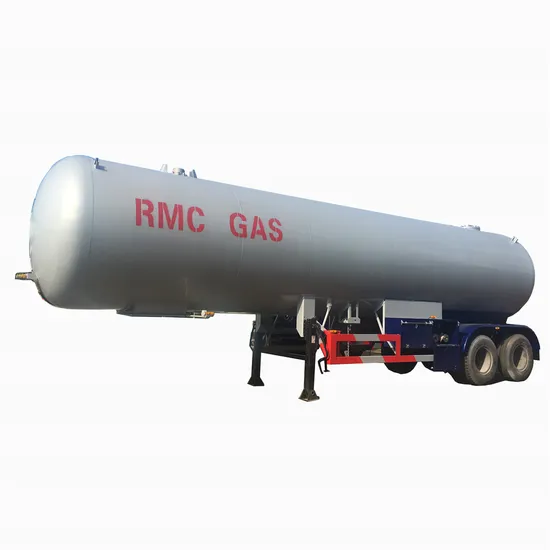
An LPG semi-trailer, also called an LPG tank trailer, LPG tanker trailer or LPG trailer, is a pressure vessel mounted on a chassis with running gear and a coupling pin. It has no engine. A tractor head pulls it, and the vessel carries liquefied petroleum gas from a depot or terminal to a filling station or a customer tank. The vessel is usually a horizontal cylinder with domed ends, so many buyers call it a bullet-tank trailer. Valves, safety fittings and a pump or compressor connection sit in a rear or side cabinet. You can see the full range under LPG tank trailers.
Cubic metres to tonnes: ask for the payload
LPG is carried as a liquid, and a pressure vessel is never filled to the brim, because the liquid expands when it warms. The tank volume is therefore larger than the volume of gas you may load. The model table on our 3-axle 60m3 LPG trailer page includes a filling column for propane, but it gives no unit for it, so we do not use it as a conversion rule. Tank volume in cubic metres cannot be turned into tonnes with one fixed number: the same 40.5 m3 tank shows 17,010 kg on a 2-axle trailer and 20,832 kg on a 3-axle trailer in the table below. Other gas mixtures and other national rules also change the permitted filling. Always ask for the payload of your chosen model at the intended filling ratio for your gas.
Real figures: payload, kerb weight and gross weight
The table below is copied from the model table on that product page. Payload, kerb weight and total weight are in kilograms.
| Axles | Tank capacity (m3) | Payload (kg) | Kerb weight (kg) | Total weight (kg) |
|---|---|---|---|---|
| 2 | 40.5 | 17,010 | 13,415 | 30,425 |
| 3 | 40.5 | 20,832 | 15,300 | 36,132 |
| 3 | 54 | 22,680 | 15,000 | 37,680 |
| 3 | 56 | 23,520 | 15,480 | 39,000 |
| 3 | 58.5 | 24,570 | 15,430 | 40,000 |
| 3 | 61.9 | 26,000 | 14,000 | 40,000 |
The table shows that payload plus kerb weight equals the total weight. It also shows that the same 40.5 m3 tank appears on a 2-axle and a 3-axle trailer with different payloads, 17,010 kg and 20,832 kg. The extra axle does not change the volume. It changes the total weight the trailer can be rated for, and so the weight of gas you may carry. The shipping and national limits for your route still apply.
Two axles or three?
A 2-axle LPG trailer is shorter, lighter and cheaper to run, and it suits routes with lower axle-load limits or tight access. A 3-axle trailer spreads a larger load over more tyres and carries more gas per trip. Our range reflects this. The CLW 2-axle LPG tank semi-trailer is offered at 30,000 to 45,000 litres, while the CLW 3-axle LPG tank semi-trailer covers 50,000 to 60,000 litres. The CLW 3-axle LPG tanker semi-trailer, 40,500-59,600 L carries ASME in its title, and the 60 m3 Q345R model uses the 1.77 MPa design pressure shown in its title. Pressure ratings differ between models: the table above shows 1.61, so check the design pressure against the rules in your country.
Match the trailer to the tractor and the road
A full LPG trailer can weigh 30 to 40 tonnes on the table above, and your tractor head has to pull that and brake it. Compare the engine, the fifth wheel and the gross combination weight of the tractor with the total weight of the trailer. Our note on horsepower versus gross combination weight explains what to compare, and the tractor heads range shows the options. Then check your route: the permitted axle loads, bridge limits, the overall height and length, and the width of your depot gate. A trailer that is legal in one country may be overloaded in another if you fill it to the full table payload.
What to confirm before you order
- The gas: propane, butane or a mixture, because the permitted filling changes.
- Tank volume, payload and total weight for the exact model, not a headline tonnage.
- Number of axles and the axle make, brakes and tyres.
- Design pressure, vessel material and the standard your authority requires.
- Valves, safety valves, gauges and the pump or compressor connection.
- Coupling pin and landing legs, so that it fits your tractor.
If you still compare trailers with delivery trucks, read LPG tank trailer or bobtail, and for the wider family of trailers see semi-trailer types. Send us the gas, the volume and the route weights and we will confirm the model. Please contact us, message us on WhatsApp, or send us your requirements.