Refrigerated truck temperature monitoring starts with identifying what each number represents. The setpoint is the target selected on the refrigeration controller. A unit display is a reading from its associated sensing system. A cargo measurement refers to a particular measurement location and method. Putting all three in one column labelled “temperature” can hide important differences in the journey record.
Give every reading a source
Create separate columns for the selected setpoint, the unit display and any cargo reading taken under the shipment's measurement procedure. Record the unit of measurement and the time. Where a logger or handheld instrument is used, include its identifier and measurement location.
If no cargo reading was taken at a particular stage, mark that field accordingly. Do not copy the refrigeration display into the cargo column. The record should preserve what was actually observed rather than imply a measurement that did not occur.
Record four useful journey stages
| Stage | Temperature entries | Supporting information |
|---|---|---|
| Loading | Setpoint, unit display and cargo reading if taken | Time, shipment identity, reading source and loading event |
| Departure | Setpoint and identified available readings | Departure time, door status and instrument identity |
| Arrival | Readings recorded at the stated arrival point | Arrival time and whether doors have been opened |
| After a door event | Time-stamped available readings | Door opening and closing times, location and event description |
Use the shipment's agreed recording procedure for any more measurements. These four stages provide a practical event structure, while a continuous logger, where fitted, supplies a separate time series. Keep the original logger file linked to the journey rather than replacing it with a few manually selected values.
Identify the refrigeration unit as well as the vehicle
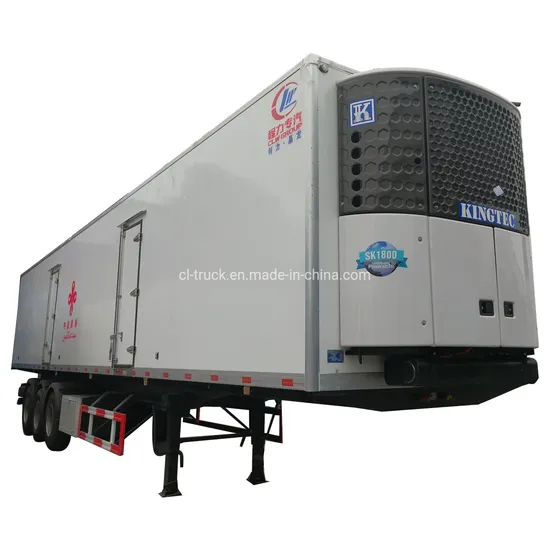
The Chengli refrigerated trailer offering describes independent refrigeration-unit choices. A fleet log should identify the installed unit and trailer separately from the towing tractor. If the tractor changes, the trailer's temperature history should remain linked to the same transport compartment.
The tri-axle refrigerated semitrailer also provides an example of an independently refrigerated transport unit. Record the specific door involved in a delivery event where the selected trailer has more than one access door. A general “door opened” entry may be insufficient to interpret a multi-stop journey.
Use the same distinctions for smaller delivery trucks
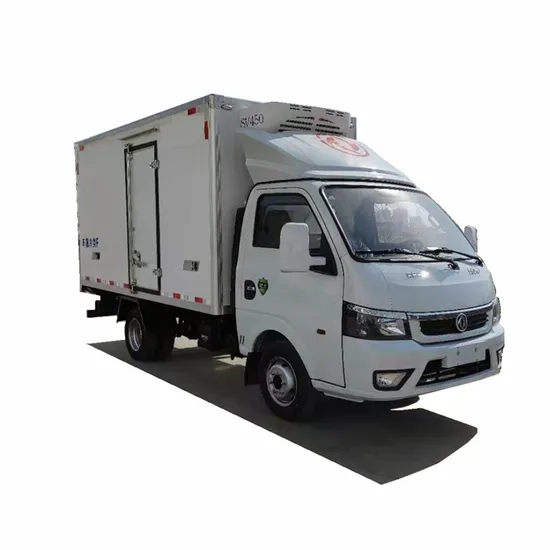
The Dongfeng mini refrigerated truck describes refrigeration selection according to temperature requirements. Its compact delivery role does not remove the need to distinguish a setpoint from an observed reading. Short journeys can still contain loading, waiting and several door events that deserve clear timestamps.
None of these product descriptions establishes the temperature of a particular consignment. The log should use the shipment's specified requirements and actual observations, without treating a listed equipment temperature capability as a cargo result.
Preserve changes and explanations
If a setpoint is changed, record the time, previous value, new value and responsible instruction. Keep comments about delays or door events beside the relevant timestamp. For transport operators, this creates a useful handover record: the receiving team can see what was selected, what was measured and what happened during the journey without having to guess which kind of temperature each entry represents.