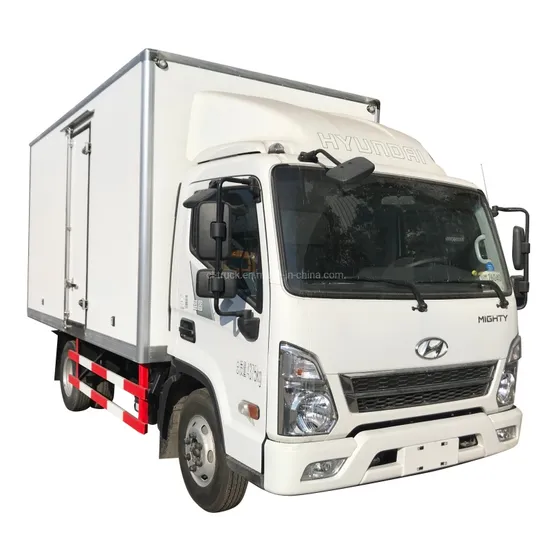
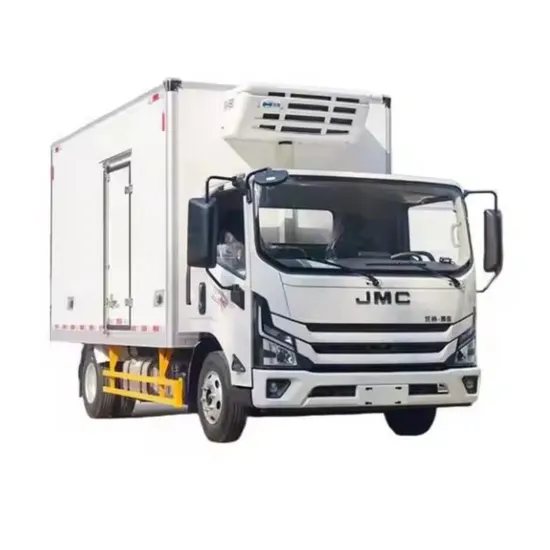
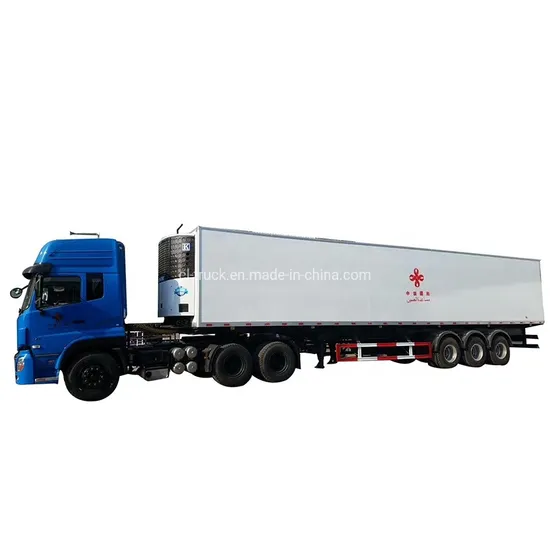
There is no single correct figure. The rigid refrigerated trucks we list that state a thickness use an 8 cm insulation layer, and the refrigerated trailers use 10 cm. Colder set temperatures, hotter routes and longer trips push the need upward, and every extra centimetre of wall costs some inner cargo space.
What the insulation layer actually does
A refrigeration unit only removes heat. The walls decide how much heat gets in. Insulation slows the heat passing through the roof, floor, doors and side panels, so the unit runs less often and holds the set temperature with less fuel or battery energy. Thickness is one part of the story. Door seals, floor joints and how often the doors are opened matter just as much.
Thickness figures in our listings
| Body type | Insulation layer stated in the listing |
|---|---|
| Rigid box with fibreglass-reinforced plastic skins | 8 cm polyurethane |
| Rigid box with XPS foam | 8 cm XPS |
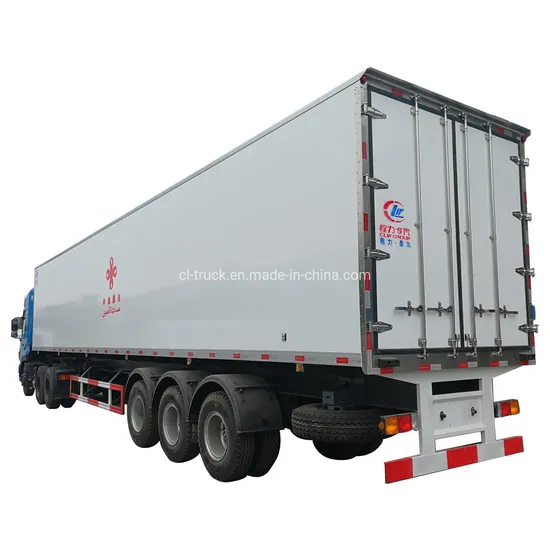
| Three-axle refrigerated trailers | 10 cm polyurethane |
Several small vans only say "middle insulation layer" with no thickness. If thickness matters for your cargo, ask for the figure and the foam material in writing before you order.
When to ask for thicker walls
- Frozen cargo. A box held far below zero loses cold faster than one holding chilled produce, so it gains more from extra wall depth.
- Hot routes. Strong sun on the roof and sides raises the heat load all day.
- Long runs with few stops. The box has to hold temperature for hours with the unit working steadily.
- Short urban rounds. Frequent door openings let in warm air, so a strip curtain or faster loading can help more than thicker foam.
There is a trade-off. The walls sit on both sides, so an 8 cm layer takes 16 cm from the outside width and a 10 cm layer takes 20 cm. On a narrow van, that loss can decide how many pallets or crates fit.
Mistakes to avoid
- Comparing trucks by thickness alone while ignoring the foam type, the door seals and the floor.
- Choosing a unit by price without matching its capacity to the box size and the lowest temperature you need.
- Skipping the pre-cooling step. Loading warm goods into a cold box overloads even a well-insulated body.
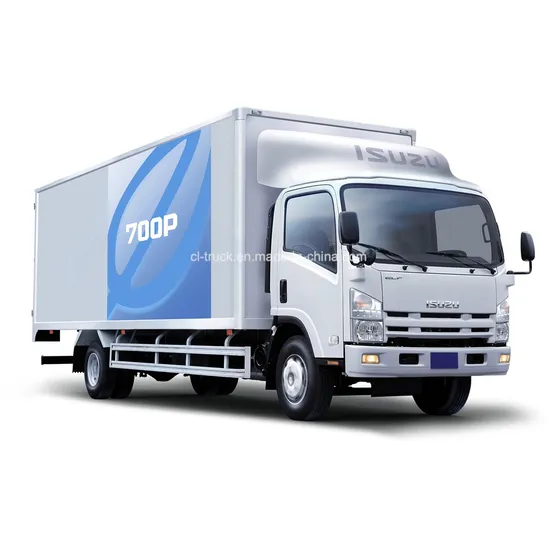
Browse the full range on our refrigerated trucks page. The Isuzu 700P 4x2 Refrigerator Truck 8-10t Thermo King lists 8 cm polyurethane insulation and a temperature down to -18 degrees. The Hyundai 4x2 Refrigerated Insulated Box Van Truck 5t lists the same 8 cm layer, the JMC Refrigerated Truck for Food Distribution uses 8 cm XPS, and the 3-Axle Refrigerated Semi-Trailer 30-40t lists 10 cm. To compare available models, see our refrigerated trucks for sale.
Frequently asked questions
Is thicker insulation always better?
Not always. Thicker walls cut heat gain but reduce inner width and add weight. Match the thickness to your set temperature, route length and climate, then size the refrigeration unit to suit the box.
Does the refrigeration unit matter more than the wall thickness?
They work together. The unit removes heat and the insulation limits how much enters. A strong unit in a poorly insulated box wastes energy, and thick walls cannot rescue an undersized unit.
What should I tell the supplier about insulation?
State the lowest temperature you need, the cargo type, the typical route and climate, and any limit on inner width. Ask for the insulation thickness and foam material to be written into the quotation.