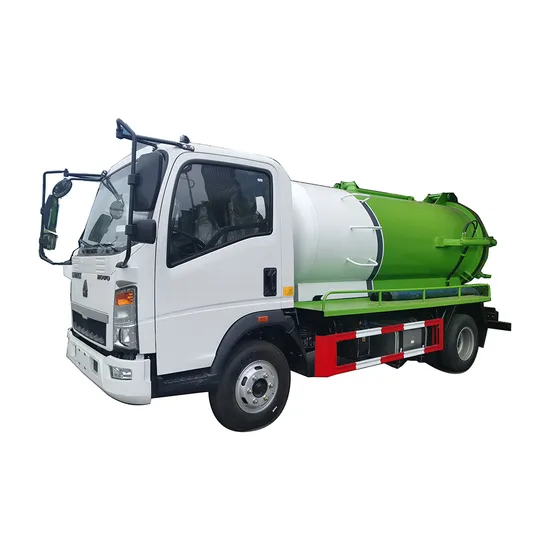
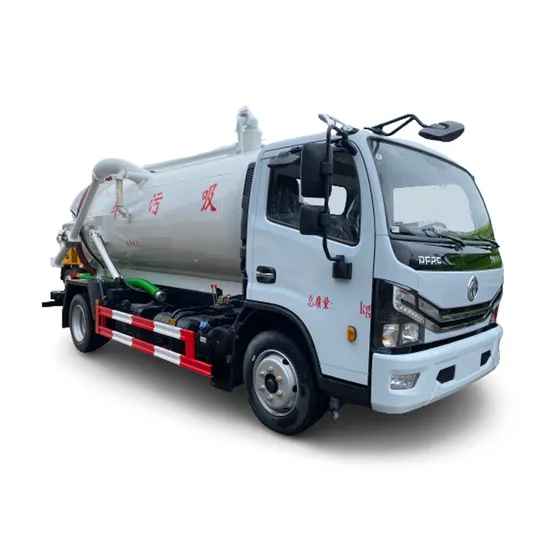
A vacuum truck works by using a pump to pull air out of a sealed tank. The lower pressure inside the tank pushes liquid or sludge up the suction hose and into the tank. Reversing the airflow, or opening the rear door and tipping the tank, empties it again. This truck is also called a vacuum tanker or, in some markets, a honey sucker.
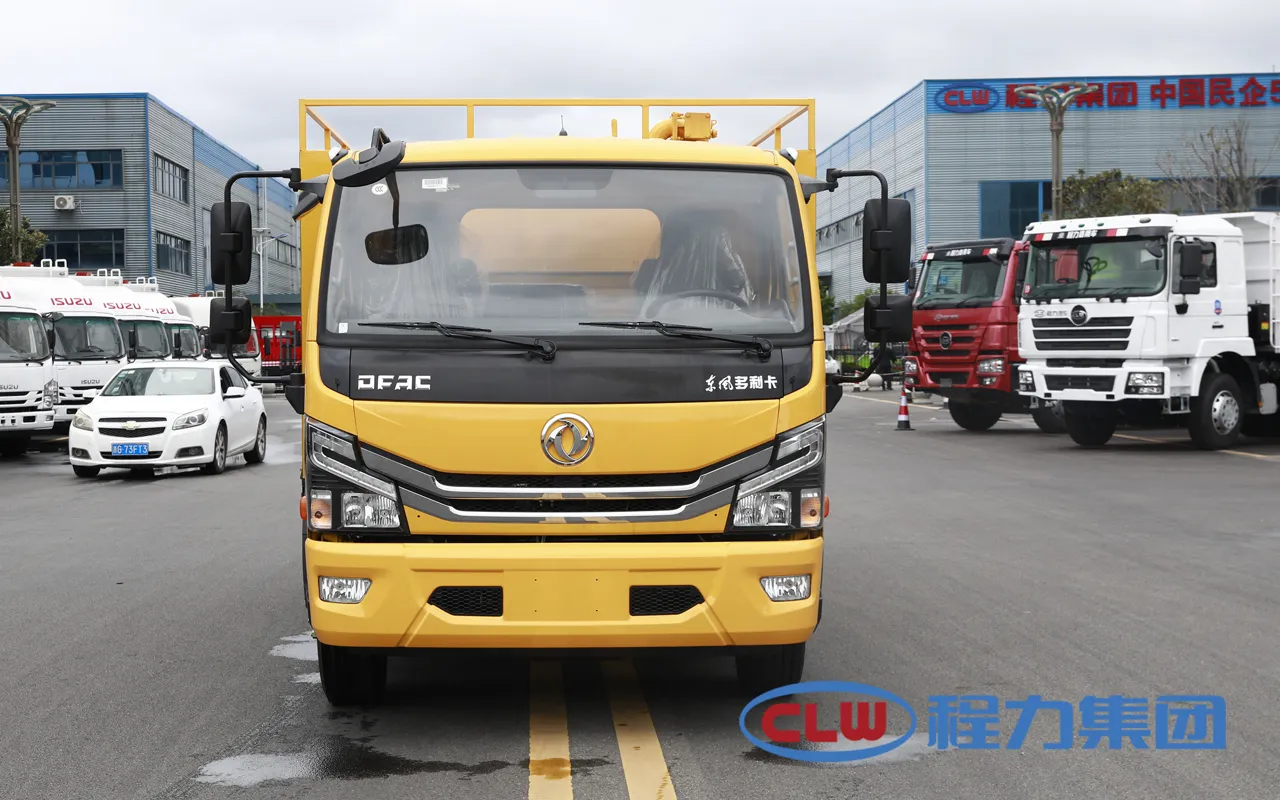
The main parts of a vacuum truck
- Sealed tank. Usually carbon steel, built to hold a vacuum without leaking. Its size sets how much each trip can collect.
- Vacuum pump. Mounted behind the cab and driven from the engine through a power take-off (PTO). Some models use a liquid-ring pump, others a vane or rotary-lobe pump.
- Suction hose and inlet. A heavy hose connects to a rear or side inlet. Longer hoses reach further but lose some suction.
- Overflow protection. A float or shut-off valve stops liquid from reaching the pump when the tank is full.
- Discharge valve and rear door. Used to empty the tank at the disposal point.
What happens during a suction job
- The driver parks close to the pit, tank or manhole and connects the hose.
- The PTO engages and the pump removes air from the tank.
- Atmospheric pressure forces the liquid up the hose until the tank is full or the job is finished.
- At the disposal site the driver opens the discharge valve, and the pump can be switched to pressure to push the load out faster.
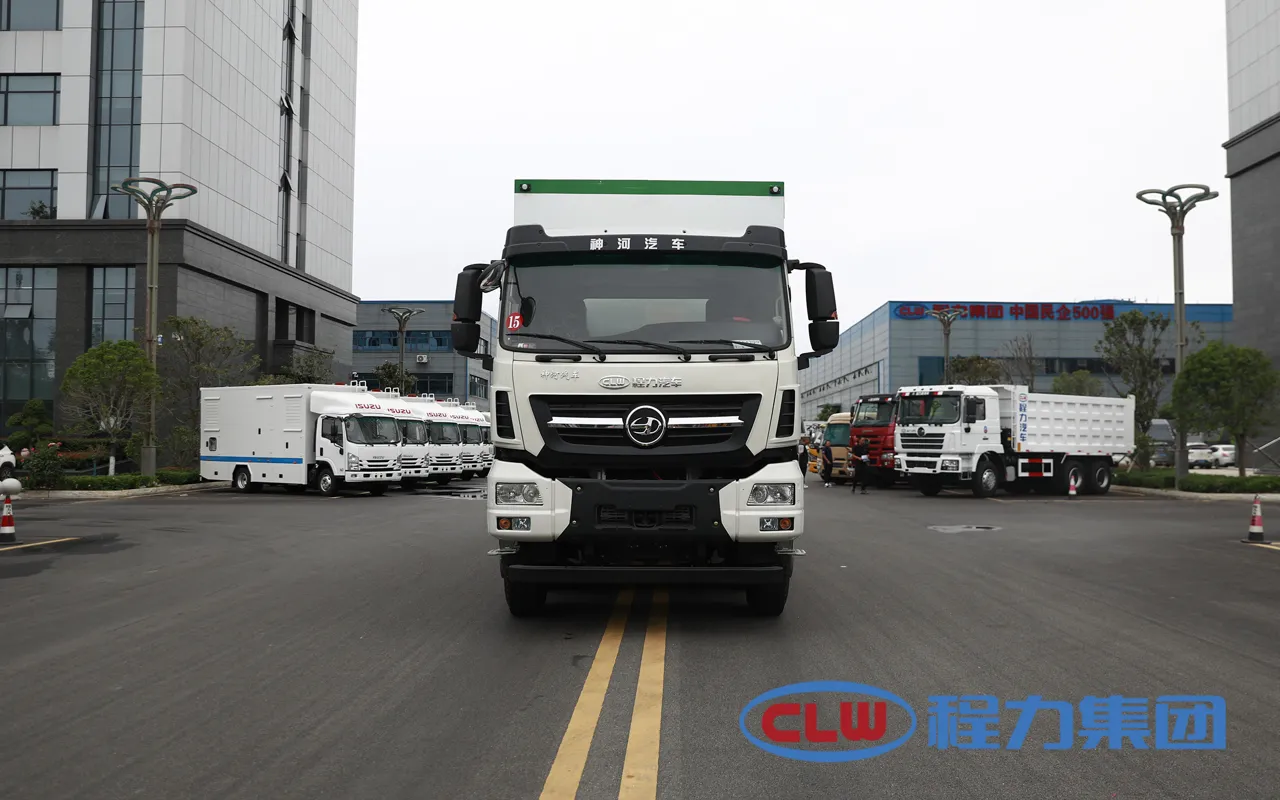
Why the pump and tank size matter
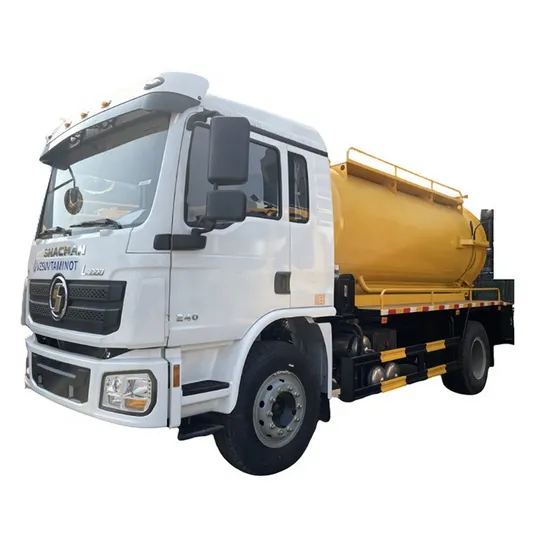
A larger tank means fewer trips to the disposal site, but it needs a stronger chassis and a bigger vacuum pump to fill in reasonable time. For narrow access, many buyers choose a smaller tank on a 4x2 chassis. For high-volume work such as sewage transfer, a larger 6x4 truck is common. Our vacuum and sewage suction trucks range from compact 3 m³ light-duty models to heavy trucks with tanks of 16 m³ and more.
Vacuum truck or other sewage equipment?
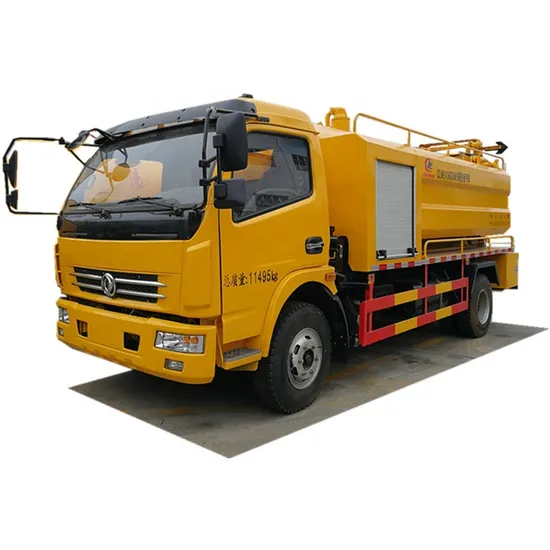
A plain vacuum truck only collects and carries. If you also need to jet and flush pipes, look for a combined jetting and suction truck. For a step-by-step buying checklist, read our guide on truck operation and maintenance and talk to us about your site conditions.
Frequently asked questions
Can a vacuum truck pick up solids?
It can lift thin sludge and slurry, but dry or heavy solids block hoses and valves. Wet the material first or ask for a model built for thick sludge.
How far can a vacuum truck suck?
Suction distance depends on pump type, hose diameter and height difference. Confirm the vertical lift and hose length you need before ordering.
What maintenance does the pump need?
Check the pump oil, clean the overflow filter or float after each job, and flush the system with clean water at the end of the day.
Is a vacuum tanker the same as a vacuum truck?
Yes, it is another name for a vacuum truck: a sealed tank with a pump that removes air so liquid or sludge is pushed in through the hose. Our range starts at compact 3 m³ light-duty models.
Related reading: our honey sucker truck guide and the vacuum trucks and honey suckers for sale page.